October 24, 2026
If your child has started quoting chess YouTubers at dinner, you are not imagining it. Chess has become genuinely cool with kids and teens, and the reasons are easy to understand.


Why the world’s chess bodies want chess in every school, what the research honestly shows, and how your child can join in.
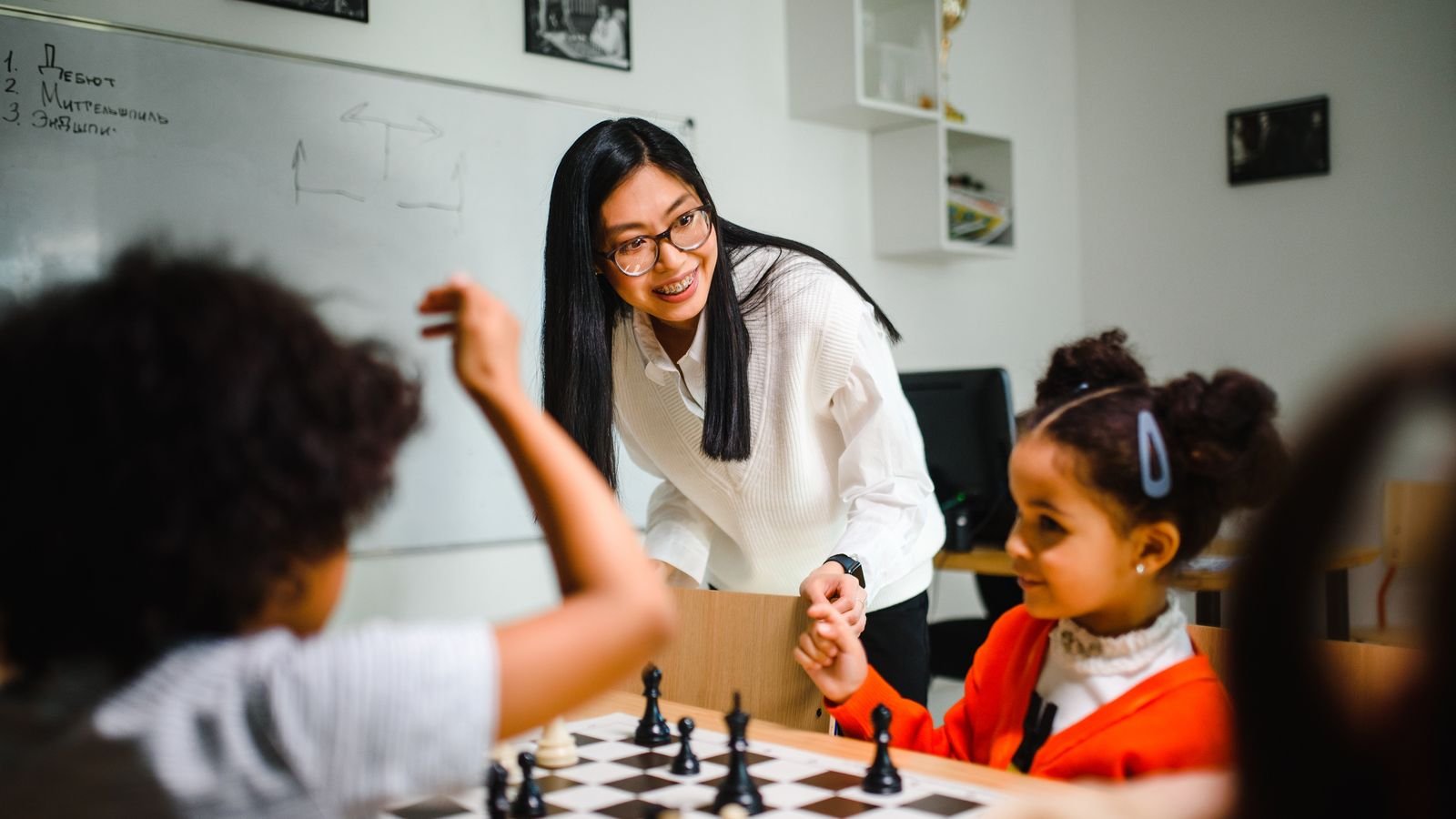
2026 has been officially named the Year of Chess in Education, and that is a good moment for parents to ask a simple question: should chess be part of my child’s learning? The short answer is that chess is a rich, joyful thinking game with real benefits for many children, but it is not a magic button for higher grades.
This guide explains who made the declaration, what studies really show, and how to pick the right starting point for your child.
The Year of Chess in Education is a 2026 initiative declared by FIDE, the International Chess Federation, together with the International School Chess Federation (ISCF). FIDE President Arkady Dvorkovich and ISCF President Timur Turlov signed the agreement on 20 October 2025 in Astana, Kazakhstan.
According to FIDE’s official announcement, the goals are to promote school chess, bring chess into curricula, and present it as a tool for children’s thinking and social development. The flagship event is the World Schools Team Championship League 2026, with continental stages and a grand final.
Chess bodies want chess in schools because school is where almost every child can be reached, and because they see the game as a cheap, screen-light way to practise thinking skills. A board costs very little and the rules are the same in every country.
Chess also asks children to plan ahead, accept a loss and try again. Schools are a pipeline for future players too, so the motive is partly to grow the sport.
The honest answer is that the evidence is mixed: some studies show modest gains, especially in maths, while the largest and most rigorous trial found no lasting effect on test scores.
A 2016 meta-analysis by Giovanni Sala and Fernand Gobet pooled 24 studies covering more than 5,000 young people. It found a moderate positive effect of chess lessons overall, with a slightly larger effect on maths than on reading, and stronger results when children studied chess for longer. Many studies were small, though, and later, better-controlled experiments by the same researchers found little or no effect.
In England, the Education Endowment Foundation’s Chess in Primary Schools trial taught chess to Year 5 pupils in 100 schools, 4,009 children in total, for one school year. A year later, there was no measurable improvement in maths, reading or science scores. The EEF concluded that schools should not expect chess to raise attainment, though it did no harm.
Treat chess as a brilliant activity, not a shortcut to better exam results. Children who keep playing for months or years seem most likely to benefit, and parents usually notice focus, patience and coping with mistakes first.
Little chess facts to share at the dinner table
FIDE named 2025 the Year of Social Chess before choosing education as its theme for 2026.
After just two moves each, there are already 72,084 possible chess positions.
More than 1,700 students played in Singapore’s National Schools Individual Chess Championships in 2025.
One FIDE-awarded school in Singapore mixes short lessons with movement, meditation and even “chess yoga”.
The queen used to move only one square diagonally. Her long-range powers arrived in Europe around 500 years ago.
A child in Dubai and a child in Sydney play by exactly the same rules.
For Singapore families, the Year of Chess in Education lands in a country where school chess is already popular and growing. In a December 2025 speech, Minister of State for Education Jasmin Lau noted that more than 1,700 students took part in that year’s National Schools Individual Chess Championships.
The Singapore Chess Federation has also launched “From Pawns to Queens”, a beginner programme at Greenwood Primary School that teaches the game to around 450 Primary 1 and 2 pupils. Not every school offers chess, so many children still learn outside school.
Outside Singapore, the Year of Chess in Education mainly means more school team events, more attention from school leaders. With continental school team stages on four continents, schools have a new reason to start a team.
How much this reaches your child depends on your school. Some in the US, the UAE and Australia run strong clubs, while others have none. For expat families, a club does not move countries with the child, which is why many choose a consistent online coach.
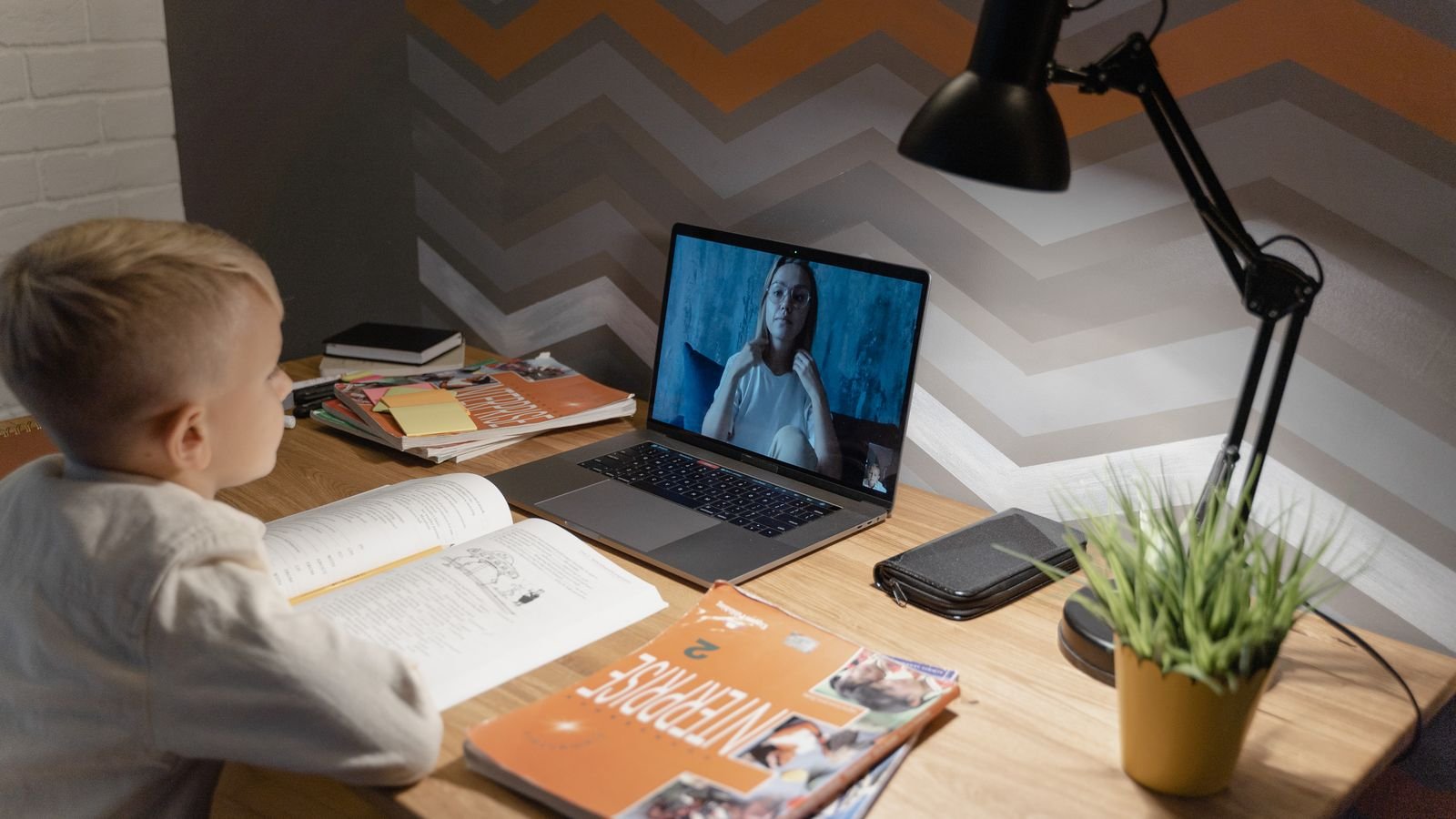
The right chess experience changes with age, so match the format to your child.
Teach how pieces move through stories and mini-games. Keep sessions short and stop while it is still fun.
Most children can now play full games and learn simple tactics like forks. Regular lessons pay off fastest here.
Children think a few moves ahead and can review their own games. School teams and rated events suit many.
Teenagers can study openings, analyse losses and set their own goals. Older beginners often progress quickly.
Your child can join in fully without a school programme by playing at home, learning with a coach and entering open junior events.
Start with a physical board at home and play a short family game a few times a week. Look for open junior events run by your national federation or local clubs. A weekly lesson with a coach gives structure. You could also suggest a lunchtime club to the school, since this year gives you a timely reason to ask.
Simple ways to bring chess in education home this week
Set up a “board corner”. Leave a chessboard out on a table so a quick game is always one move away.
Ask “why?” not “who won?”. After a game, ask for their best move.
Play a pawn race. Use only pawns. First to the far side wins.
Celebrate good losses. Praise a calm handshake as much as a win.
Email the school. Ask whether they plan anything for the Year of Chess in Education and whether parents can help.
Find one junior event. Find a friendly, unrated tournament nearby and watch first.
The best path depends on your child’s personality and goals, and many children combine two of them.
A school club is social, low cost and great for building friendships around the game. But one teacher may guide many children of very different levels.
An online 1 on 1 coach works at your child’s exact pace and fits around school and time zones. It suits shy children, fast learners and families who move.
Tournaments add excitement, real pressure and a rating that shows progress. They work best once a child can handle losing. Many families learn with a coach, enjoy a club socially, and add tournaments later.
White to move and checkmate in one
White has a King on g1, pawns on f2, g2 and h2, and a Rook on a1. Black has a King on g8 and pawns on f7, g7 and h7. It is White’s turn. Can you find checkmate in one move?
Tap a question to reveal the answer
The Year of Chess in Education is a great nudge to try chess, as long as you keep expectations honest. Chess will not guarantee better marks, but it gives children a fun way to practise focus, patience and planning. Start small and follow your child’s enthusiasm.
More for curious parents
MasterMindz offers live 1 on 1 online classes for children and has taught 750+ students across 11+ countries. Chess is our flagship subject, alongside maths, coding, Rubik’s cube, music and languages.