October 13, 2026
A chess rating is a number that estimates how strong a player is, based on their results against other rated players. It goes up when your child does...


The thinking habits children build at the board, and how to carry them into homework and exams.
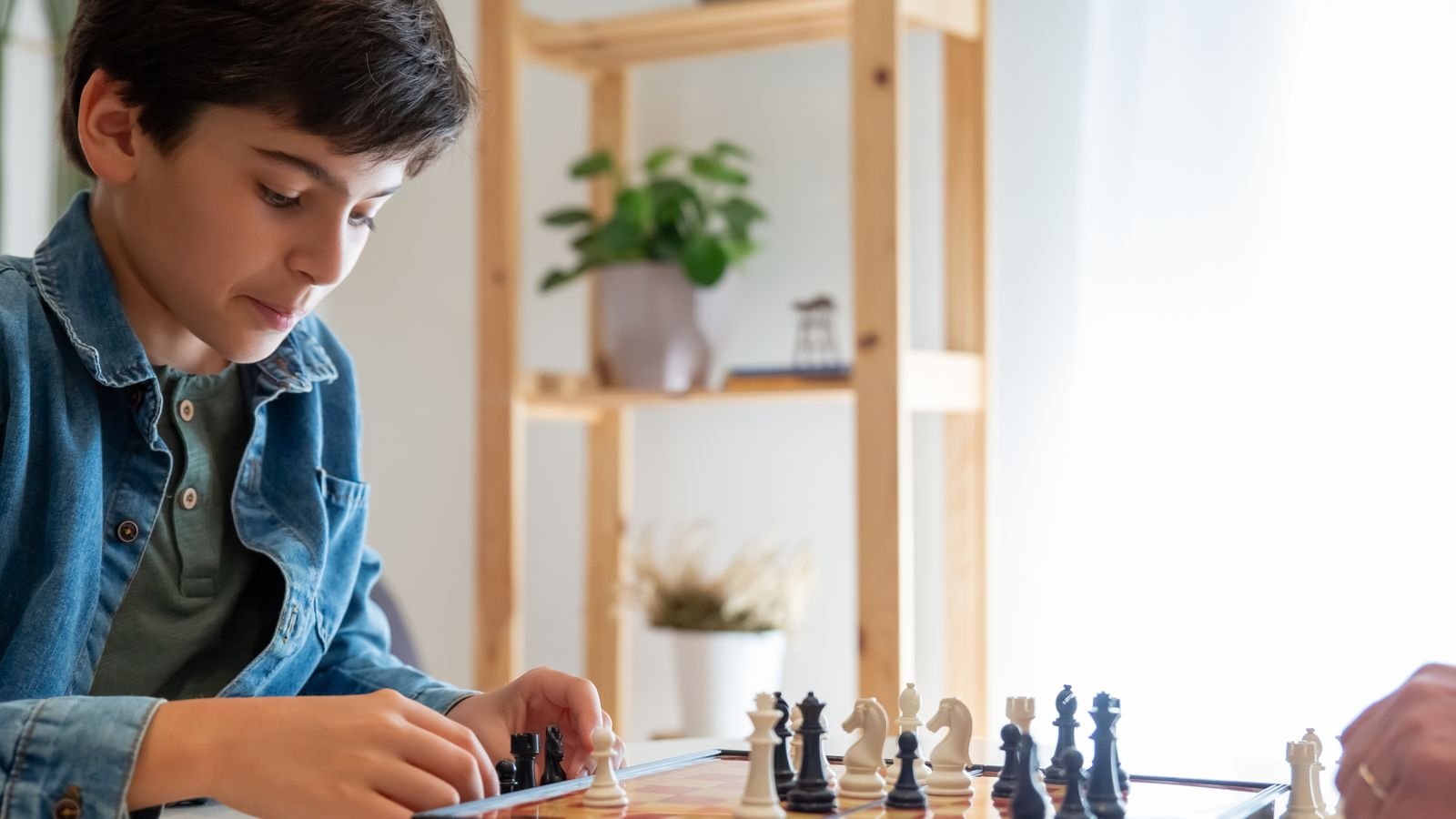
Chess makes kids better students mainly through the habits it trains: pausing before acting, checking for problems, planning ahead, reviewing mistakes and staying focused to the end. Those habits are exactly what teachers wish every child brought to homework and exams.
Chess will not do your child’s spelling test for them. But a child who learns to sit on their hands, look for the opponent’s threat and replay a lost game has practised the same thinking skills that good students use every day. Here are the five habits that matter most, and how to help them cross over from the board to the desk.
Chess can help a child become a better student, mostly by building thinking habits rather than by teaching school content directly. The research is encouraging but honest about its limits.
A meta-analysis by psychologists Giovanni Sala and Fernand Gobet pooled 24 studies and found that chess instruction had a moderate positive effect on children’s academic and cognitive skills, with a stronger effect for maths than for reading, and bigger effects when instruction lasted longer. Later, more tightly controlled studies found smaller effects, which tells us chess is not magic.
The practical takeaway for parents is this: the benefit comes from how children practise chess. When a coach deliberately trains good habits and links them to schoolwork, the habits stick.
The first chess habit that helps at school is pausing before acting. Coaches often call it “sitting on your hands”: you do not touch a piece until you have decided on your move.
In chess, a rushed move can lose the game in one go. Children learn this the hard way, and quickly. At school, the same impulse leads to skipped words in a question, careless sums and answers written before the question is fully read.
Bridge it: before your child starts homework, ask them to read the question twice and say in their own words what it wants. That is sitting on their hands for schoolwork.
Surprising facts about chess and young minds
A large review of 24 studies found chess lessons had a moderate positive effect on children’s academic skills, strongest in maths.
In that same review, longer chess programmes tended to show bigger benefits than short ones.
Strong players remember positions by spotting familiar patterns, or “chunks”, just as fluent readers see whole words, not letters.
In official chess, if you touch a piece you must move it. It is a built in lesson in thinking first.
Classical tournament games can last several hours, which is a serious workout for attention.
Chess is played in nearly every country in the world, so the habits travel with your child wherever life takes them.
The second habit is asking “what is my opponent trying to do?” before every move. Many coaches teach children to scan for checks, captures and threats, on both sides of the board.
This is perspective taking, and it is a powerful study skill. It shows up when a child checks whether a maths answer makes sense, considers the other side of an argument in an essay, or spots the trick in a multiple choice question.
Bridge it: when your child finishes a problem, ask “if a teacher wanted to catch you out here, how would they do it?”
The third habit is planning: choosing a goal and the steps to reach it, instead of reacting move by move. Children usually discover planning once they stop losing pieces and start wondering what to do next.
A chess plan might be “bring my rooks to the open file, then attack the king”. A study plan might be “finish the hard maths first, then the reading, then the revision cards”. The thinking is identical: decide what matters, put the steps in order, then check progress along the way.
Bridge it: on Sunday evening, have your child write a three line plan for the week’s homework, just like a three move plan in chess.
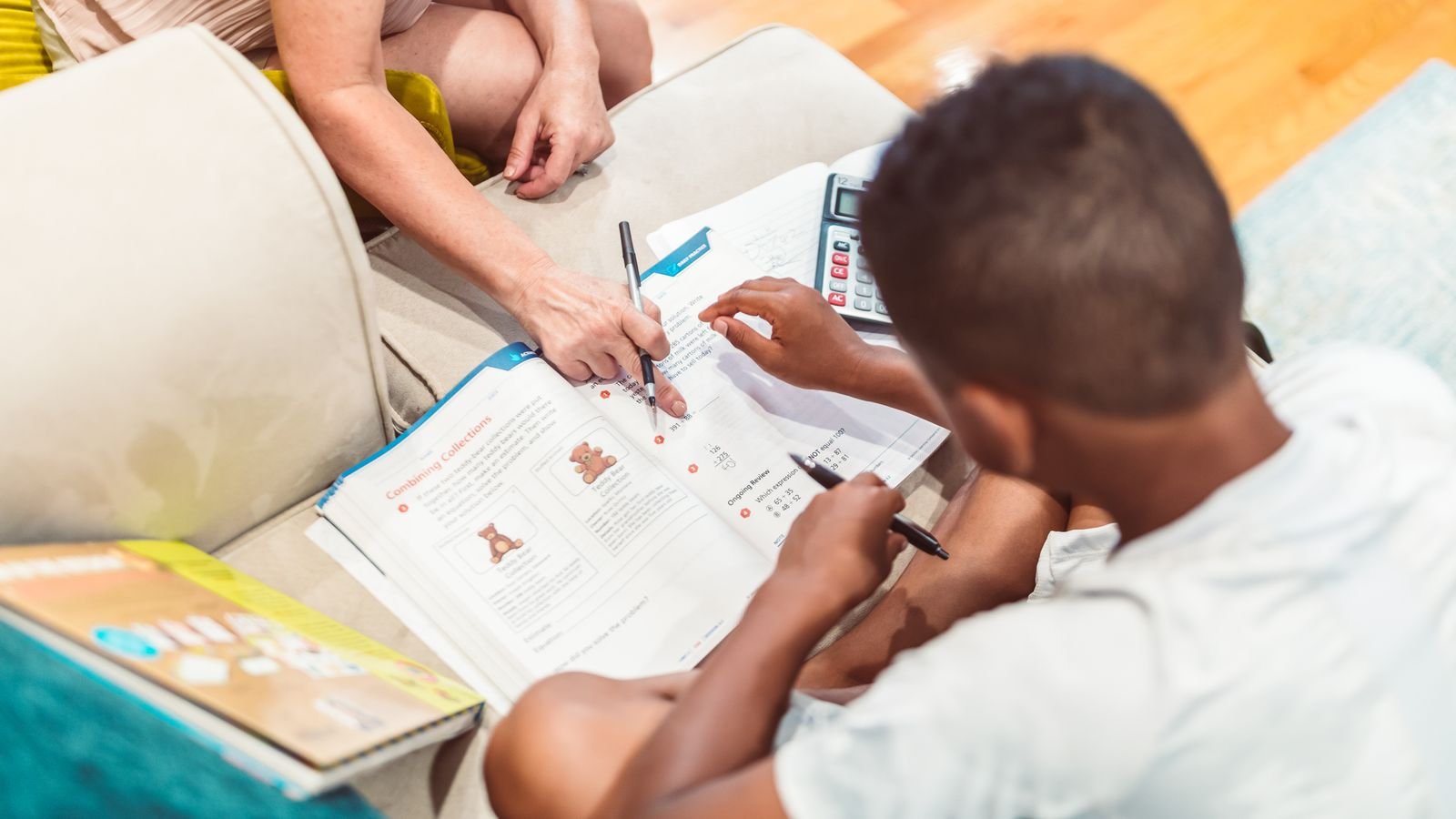
The fourth habit is reviewing mistakes calmly. Good chess players replay their lost games to find the exact move where things went wrong, and children copy this quickly when a coach models it.
This is the habit that separates students who repeat errors from students who improve. A child used to post game analysis is far more likely to look at a marked test and ask “which question type do I keep getting wrong?” instead of just looking at the score.
Bridge it: when a test comes home, play “find the turning point”. Pick one wrong answer and work out together exactly where the thinking went off track.
The fifth habit is sustained focus, including managing time. A chess game punishes children who drift off for one move, and the chess clock teaches them to spend time where it matters.
Exams work the same way. Students who rush the easy questions and run out of time on the hard ones, or who lose concentration halfway through, score below what they know. Chess gives children dozens of low stakes chances to practise staying switched on until the very end.
Bridge it: use a simple timer for homework blocks and talk about spending “clock time” wisely, a little on easy questions and more on hard ones.
Chess habits carry over to schoolwork best when someone names the connection out loud. Children rarely transfer skills automatically, but they do it readily when an adult says “this is the same thing you do in chess”.
That is why the coach and the parent both matter. A good chess coach uses consistent phrases like “check, capture, threat” and “what’s your plan?”. When parents reuse those same phrases at homework time, the habit gets twice the practice.
Every age can build these habits, but each stage has a natural starting point.
A 1 on 1 coach can tune this to your child, moving faster where they are ready and slowing down where a habit needs more practice.
Simple things you can try at home this week
Play one touch move game. Agree that touched pieces must move. It instantly slows the game down and trains thinking first.
Use the three question check. Before each move, and each answer: Is anything under attack? What is the other side planning? Does my move make sense?
Replay one game a week. Ten minutes, one game, one lesson learned. Write the lesson on a sticky note by the desk.
Plan the week like a game. Sunday evening, three lines: what is hardest, what comes first, what comes last.
Try a clock for homework. Twenty focused minutes, a five minute break, then repeat. Chess players call it managing the clock.
Praise the process. Say “you checked your work like a chess player” rather than just “well done”.
A perfect puzzle for practising Habit 2: look at the whole board.
White: King on g1, Rook on a1. Black: King on g8, pawns on f7, g7 and h7. It is White’s move. Can you checkmate in one move?
Tap a question to reveal the answer
Chess gives children a fun, low stakes place to practise the exact habits that make school easier: slow down, look at the whole picture, plan, learn from mistakes and stay focused to the end. With the right coaching and a little bridging at home, those habits travel from the board to the desk.
If you would like to see how a coach builds these habits in practice, MasterMindz offers a free 1 on 1 trial chess class. Your child plays, learns and has fun, and you get a clear picture of where they are and where they could go next.
MasterMindz offers live, personal 1 on 1 online classes for children in chess, maths, coding and more, and has taught 750+ students across 11+ countries. Every child gets their own coach, a lesson plan built around them, and class times that fit your family’s time zone.