October 24, 2026
2026 has been officially named the Year of Chess in Education. Here is what that means for parents, what the research honestly shows, and how your child can take part.


Streamers and lightning-fast online games made chess the hobby of the moment. Here is how to help your child go from fan to real player.
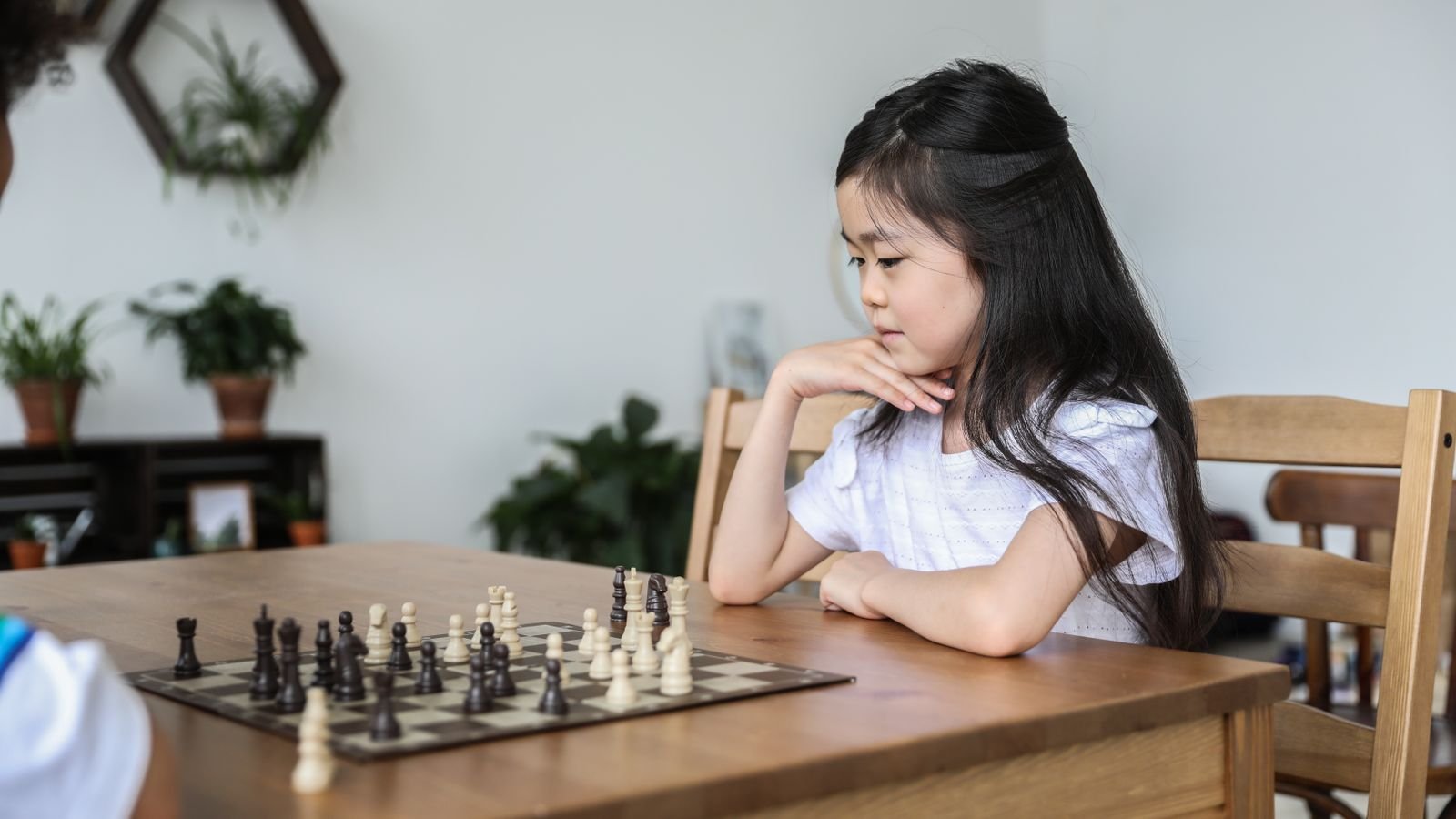
If your child has started quoting chess YouTubers at dinner, you are not imagining it. Chess has become genuinely cool with kids and teens, and the reasons are easy to understand.
That is mostly good news. Chess is one of the healthiest obsessions a child can have, but fast online play can build unhelpful habits. This guide explains why kids love chess, what to watch for and how to turn the hype into lasting skill.
Kids love chess right now because it finally feels like their world: it lives on the same screens and channels as gaming, led by young, funny personalities. A child can watch a short video, open an app and play someone in another country within seconds.
Online chess also feels like a video game: instant matches, sound effects and a rating that moves after every game. Short clips of dramatic blunders on social media give kids something to talk about with friends. And chess is fair. A 9 year old can beat an adult, and kids love that.
The boom is real and measurable. In July 2026, Axios reported that chess has become young and hip, citing Chess.com data showing 6.4 million active players in the US as of June, up from 4 million at the same point a year before. The same report noted that younger people are now more likely than older people to play.
Survey data points the same way. A 2024 YouGov poll of US adults found that around one in five play chess at least occasionally and that the game is more popular among younger adults. PBS NewsHour was already describing new popularity among young people in 2023, so this is not a one-season fad. The figures are American, but the videos and apps are global, so parents in Singapore, Dubai and Australia see the same trend at home.
Chess streamers and YouTubers are the single biggest driver of the trend. Creators like Levy Rozman, known online as GothamChess, explain games with the energy of a sports commentator. Rozman told Axios that chess was not seen as cool when he was growing up, and that his audience has gone from almost entirely male in 2020 to more than 10% female today.
Young grandmasters add to the excitement. In 2021, FIDE reported that Abhimanyu Mishra became the youngest grandmaster in history at 12 years, 4 months and 25 days. Seeing someone their own age at the top makes the goal feel reachable.
Pop culture helped too: The Queen’s Gambit on Netflix, the 2020 wave of home play and viral chess headlines all pulled new fans in.
The good news is that a chess obsession is a healthy one: it trains problem-solving, patience and the ability to bounce back from mistakes. Every move is a decision with consequences, and children quickly learn that rushing gets punished.
There is research behind the learning benefits, with sensible caveats. A 2016 meta-analysis by Sala and Gobet, covering 24 studies and more than 5,000 children, found a moderate positive effect of chess instruction on maths, reading and thinking skills, with longer programmes linked to bigger effects. The authors noted that none of the studies had an ideal design, so chess shows real promise rather than guaranteed results.
The emotional lessons may matter even more. Rozman told Axios that chess exposes impatience, ego and poor handling of stress, and then challenges you to fix them. A child who learns to lose, shake hands and work out what went wrong is building resilience for life.
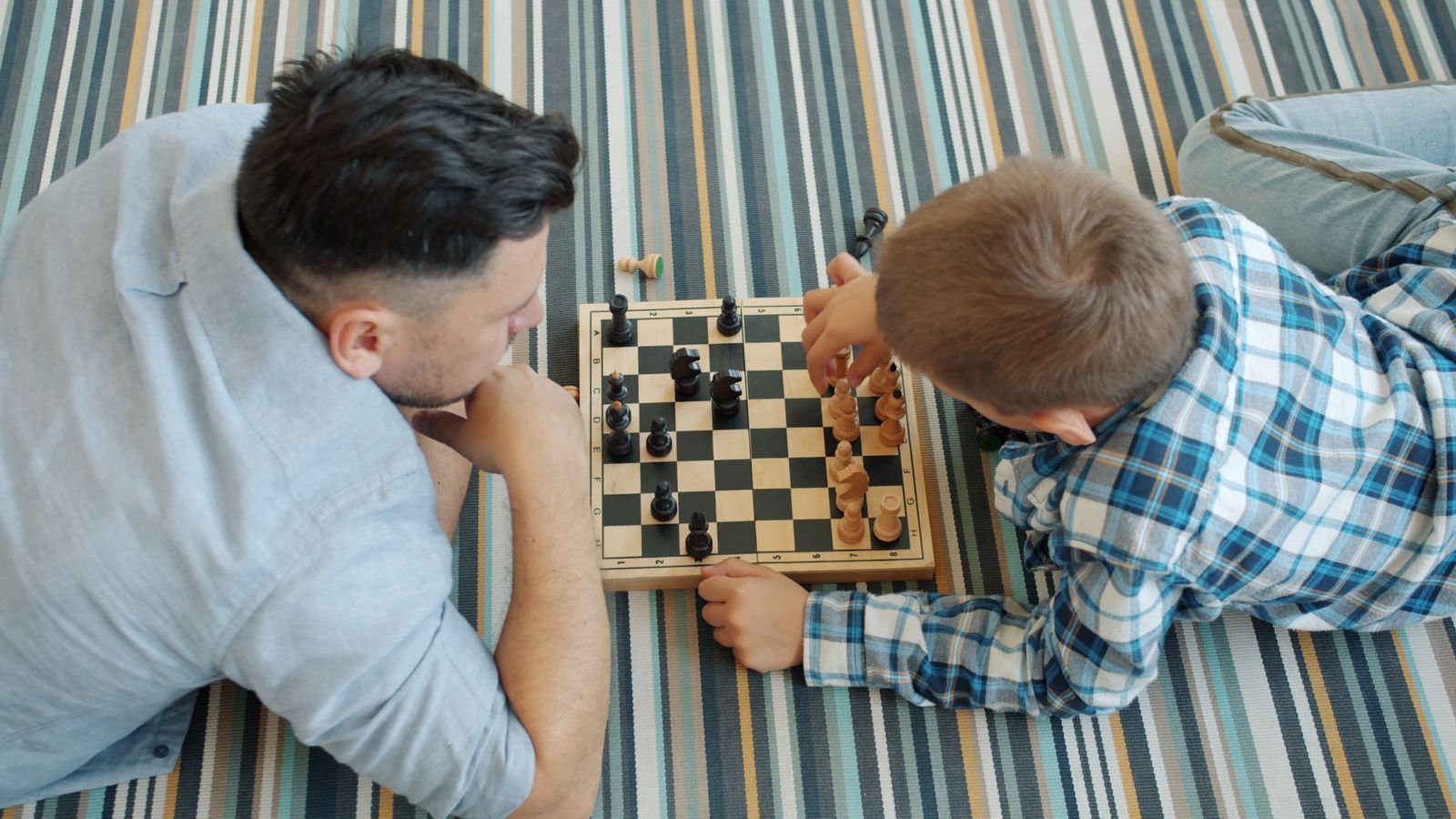
The main risk is not chess itself but how it is often played online: too fast, too often and too focused on a number.
Bullet and blitz games last a few minutes or less. They are thrilling but reward reactions over thinking, so a child who plays nothing else can stay stuck for years.
A child who cares more about the number than the game may avoid stronger opponents or quit after one loss.
“Tilt” is gamer slang for playing worse and worse because you are upset. Clicking “new game” again and again after angry losses is the moment to stop for the day.
Open chat with strangers needs firm boundaries. Use child accounts where offered and switch chat off for younger players.
Six chess facts to share with your young fan
Abhimanyu Mishra became a grandmaster in 2021 at just 12, the youngest ever.
Chess.com told Axios its active US players grew from 4 million to 6.4 million in one year.
Centuries ago the queen could only move one square diagonally.
There are more possible chess games than atoms in the observable universe.
In many bullet games each player gets one minute for the whole game.
GothamChess says more than 10% of his audience is now female.
A child’s chess interest is real when they want to understand the game, not just watch it. Look for these signs:
They ask “why”. Why was that move a blunder? Curiosity about reasons is the clearest sign of a future player.
They set up positions. Copying a game from a video onto a real board shows engagement.
They come back after losing. Wanting to try again the next day is what matters.
They enjoy puzzles on their own. Solving puzzles unasked means the thinking, not just the excitement, has hooked them.
They talk about plans. “I was trying to trap her bishop” shows they are thinking ahead.
The fastest way to turn a YouTube-fuelled interest into real skill is to slow the games down and add a little structure.
Step 1: Play slower games. Swap most bullet and blitz for rapid games of 10 minutes or more per player, so your child has time to think.
Step 2: Do puzzles every day. Ten minutes of tactics builds patterns faster than hours of fast games.
Step 3: Review games. Ask your child to find one moment where things went wrong. One lesson beats ten more games.
Step 4: Get a coach. A good coach spots bad habits early and turns random videos into a clear path. Live 1 on 1 online lessons let the coach focus entirely on your child’s own games.
Step 5: Try tournaments when ready. Once your child plays calmly and handles losses well, a junior tournament is a fun next challenge.
The right approach depends mostly on age.
Focus on fun and the rules. Use a real board, mini games and supervised online play with chat off.
The sweet spot for habits: daily puzzles, mostly slower games and videos as a reward, not the main activity.
Respect their streamer culture, then add game reviews, a coach and a first tournament. Agree a plan for stopping after a loss.
Simple things you can try at home this week
Watch one video together. Pause it and ask your child to predict the next move.
Set a “two losses, then a break” rule. It stops tilt before it starts.
Keep a real board out. A board on the coffee table invites quick games.
Praise effort, not ratings. Say “great defence” rather than “you gained 20 points”.
Check chat and privacy settings. Agree the app rules together.
Start a mistake notebook. After each slow game, write down one lesson.
The classic trick every chess YouTuber loves. Can your child spot it?
White to move and checkmate in one. White has a King on g1 and a Queen on d1. Black has a King on h8 and pawns on g7 and h7.
Tap a question to reveal the answer
Chess being cool again is a gift for parents. Your child already wants to play, the hardest part of any learning journey. Steer that energy with slower games, puzzles, reviews and the right coach, and YouTube excitement becomes focus, resilience and a lifelong skill.
More for curious parents
MasterMindz offers live 1 on 1 online classes for children and has taught 750+ students across 11+ countries. Chess is our flagship subject, alongside maths, coding, Rubik’s cube, music and languages.