October 13, 2026
Chess makes kids better students mainly through the habits it trains: pausing before acting, checking for problems, planning ahead, reviewing mistakes and staying focused to the end. Those...


The number is not a grade. Here is what it actually measures, and what to watch instead.
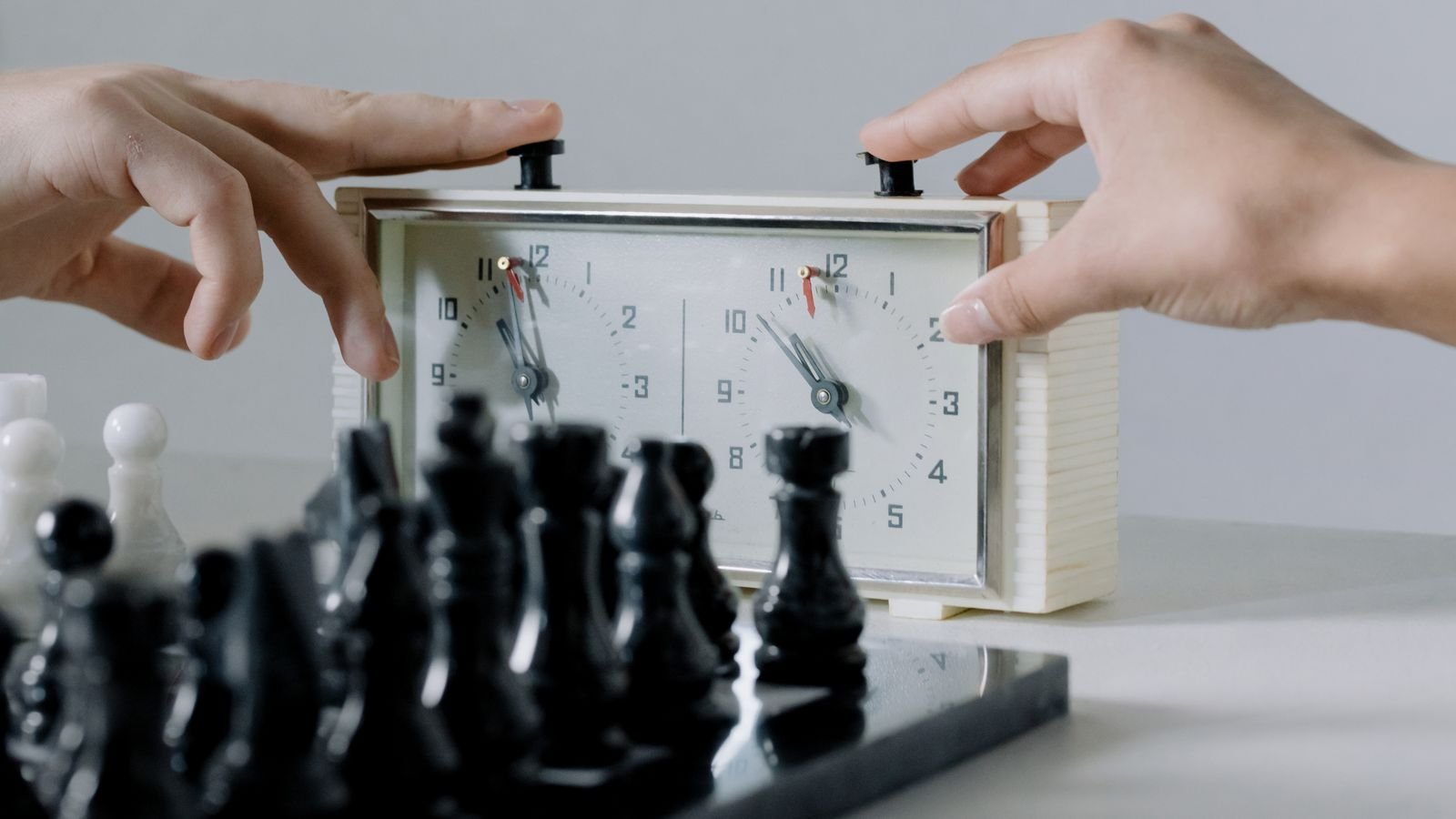
A chess rating is a prediction, not a grade. It does not say how much your child knows. It says how they are likely to score against another rated player, based on the results they have already had. That is the single most useful thing a parent can understand about it, because it explains why a rating can fall after a good tournament and rise after a mediocre one.
Parents usually meet the number for the first time after a first tournament, when a coach says something like “she is around 900 now” and everyone nods as though that means something. This guide explains what the bands actually mean, why your child’s number on a chess website is a different currency from an official rating, and what a healthy rate of improvement looks like for a child.
A chess rating is a number that estimates a player’s strength by comparing their results against other rated players, and it is designed so that the gap between two ratings predicts the likely result. It was built by Arpad Elo, a physics professor, which is why the system is usually called Elo. The system does not care how elegant your child’s play looks or how many openings they have memorised. It only reads results.
This is why the number behaves in ways that feel unfair at first. If your child rated 900 beats a player rated 1400, they gain a large number of points, because the system did not expect it. If they beat a player rated 500, they gain almost nothing, because the system expected it. Lose to that 500 rated player and they drop sharply. The rating is not rewarding effort. It is updating a prediction.
Understanding that one idea removes about ninety percent of the emotional charge from tournament weekends. A rating drop is not a verdict on your child. It is arithmetic catching up with a set of results.
Here is a rough translation of the common bands as they apply to children. Treat these as descriptions of behaviour at the board rather than hard cut offs, because the same number can look quite different in two different children.
Under 800. A beginner who knows the rules and is still losing pieces to simple one move threats. Games are decided by who blunders last. This is a completely normal place to be for the first several months, and for a six or seven year old it can be normal for a year or more.
800 to 1000. Your child has stopped hanging pieces every game. They spot basic forks and pins, they know a few opening moves, and they can checkmate with a queen and king. They still miss what the opponent is threatening.
1000 to 1200. Real tactical awareness has arrived. They check what the opponent is doing before moving, usually. They understand development and the centre. In most junior tournaments a child here is beating roughly half the field.
1200 to 1400. This is a strong school level player. They calculate two or three moves ahead reliably, know basic endgames, and start to plan rather than react. Many talented children spend a long time in this band, and that is fine.
1400 to 1600. A serious club player. They understand pawn structures, they convert winning endgames, and they lose mainly to better calculation rather than to blunders. For a child under 12, this is genuinely impressive.
1600 to 2000. Strong club and tournament strength. Opening preparation now matters. Improvement gets much slower here, and progress usually needs structured study rather than just playing more games.
2000 and above. The top tier of dedicated amateurs, and the start of the road to titles. Very few children reach this, and those who do are training seriously most days.
Six facts about chess ratings that surprise most parents
The rating system is named after Arpad Elo, a Hungarian born physics professor who designed it as a statistical measure rather than a scoring system.
The FIDE rating scale sets a class interval of 200 points, which is why coaches talk about players being “a class apart” when the gap reaches that size.
FIDE increased the rating floor from 1000 to 1400 as part of a package of changes to correct deflation at the bottom of the list.
A new player needs results from at least five games against rated opponents before any official rating is published for them.
Under FIDE rules, a player whose rating drops below 1400 is shown as unrated on the next list and treated as an unrated player again.
Improving juniors gain strength faster than the list can update, so a child’s published rating is very often behind their real playing strength.
Online ratings and FIDE ratings are separate pools, and the numbers are not interchangeable. Every chess website runs its own rating pool with its own starting values, its own player mix and its own formula. Your child’s rating on one site tells you how they compare to the people on that site, and nothing more.
There is a second complication. Most sites keep separate ratings for bullet, blitz, rapid and classical, and a child can be several hundred points apart across them. A ten year old might be 1300 in rapid and 800 in bullet, which does not mean they got worse. It means fast chess and thinking chess are different skills, and children are usually much better at the slow kind than the fast kind.
So when a parent tells you their child is 1500, the only sensible follow up is: on what, and at what time control. Comparing your child to another child using two different sites is like comparing exam marks from two different countries.
The system converts a rating gap into an expected score, then adjusts the rating based on how the actual result compared to that expectation. You never need to calculate this yourself, but knowing the shape of it makes tournament results far less mysterious.
A gap of 200 points means the stronger player is expected to score roughly three games out of four. A gap of 400 points means the stronger player is expected to win about nine games in ten. If your child rated 1000 plays someone rated 1200 across four games, the system expects them to lose three and win one. Winning two out of four in that situation is an excellent result and their rating will rise, even though they lost more games than they won.
The other half of the formula controls how fast the number moves. Newer and younger players have their ratings adjusted more aggressively, which is deliberate, because the system knows very little about them and needs to find their real level quickly. This is why a child’s rating swings wildly in their first year and then settles down. The swinging is a feature, not a problem.
The full rules, including the conversion tables, live in the FIDE rating regulations in the official FIDE Handbook if you ever want to check something a coach has told you.
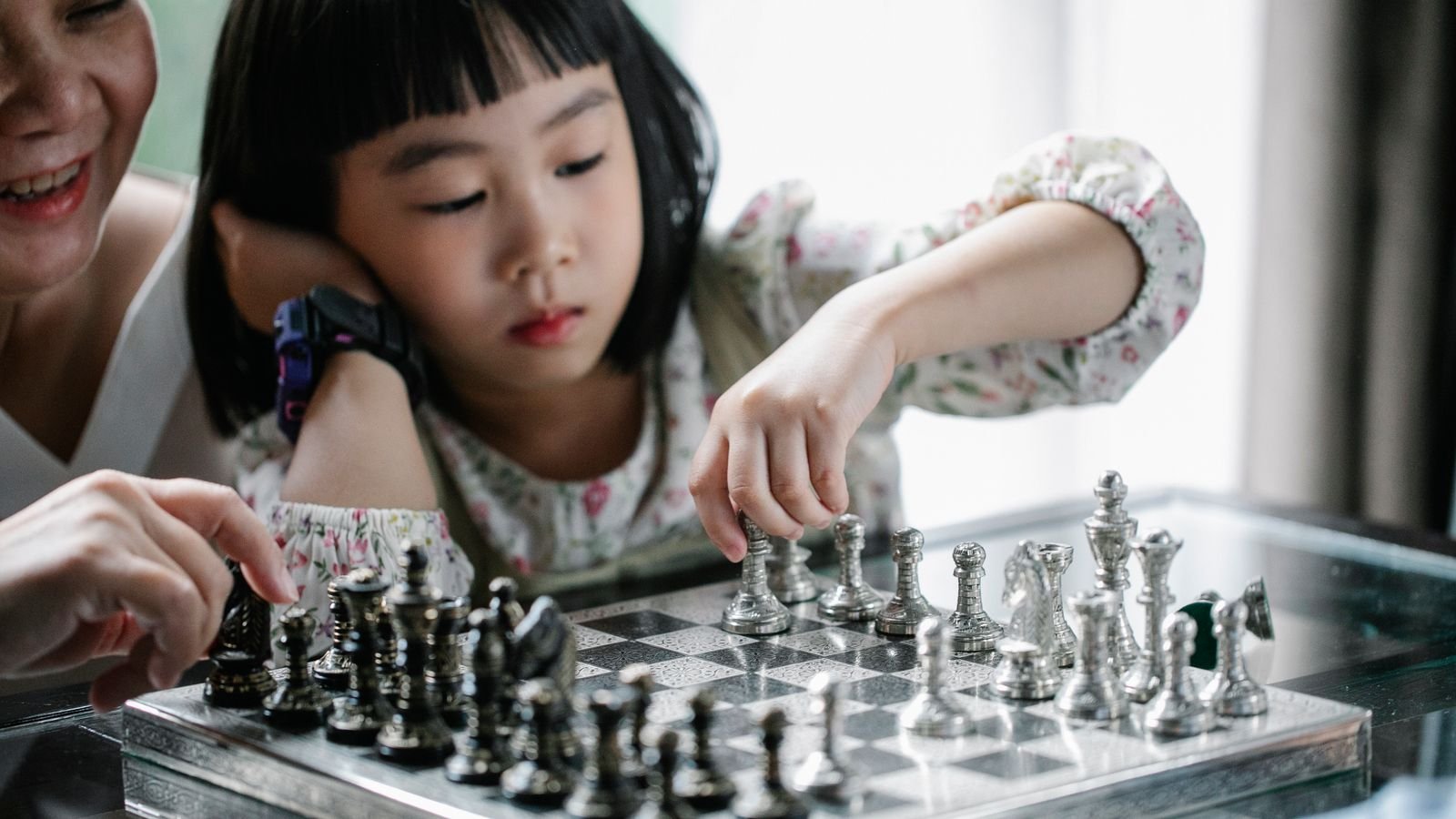
To get a FIDE rating, a child must play in FIDE rated tournaments and record results against at least five rated opponents, and the resulting figure must be at least 1400. Those games do not all have to come from one event. Results are pooled across tournaments, so a child can build towards their first rating over a season.
The 1400 requirement is newer than many coaches realise. FIDE raised the rating floor from 1000 to 1400 alongside a one off upward adjustment for players rated below 2000, in order to correct deflation in the lower part of the list. The practical effect for families is simple. A strong club child who would once have picked up a modest official rating may now play rated events for a while and still show as unrated, because they have not yet performed at 1400 level.
This catches parents out badly. A child can be improving steadily, winning school events, and still have no FIDE number next to their name. That is not a failure. It is a threshold, and it says nothing about whether the child is getting better.
Most countries also run their own national rating systems with lower entry points, which is usually where a young player’s first official number comes from. Ask your national federation or your child’s coach which system their local tournaments feed into.
Titles are awarded on rating thresholds and, for the higher ones, on tournament norms. The two entry level titles are rating based: under the FIDE title regulations, Candidate Master requires a rating of at least 2200 and FIDE Master at least 2300. International Master and Grandmaster require both a rating peak and a set of norms achieved in qualifying tournaments, which is why those two titles take years rather than months.
Parents sometimes hear about a nine year old with a title and quietly panic. It is worth keeping perspective. The overwhelming majority of children who play chess seriously, enjoy it enormously and get real benefit from it will never come close to a title, and that is entirely beside the point. Titles matter to professional players. For a child, the benefits sit in the thinking habits, and those arrive long before 2200.
There is no normal rating for an age, because a rating measures experience as much as talent. A twelve year old who started last month and an eight year old who has played two hundred rated games are not comparable, and comparing them is the fastest way to make a child hate a game they liked last week.
A more useful question is about direction and rate. In the first year of rated play, a committed child often gains a few hundred points as the system finds their level. In the second year, gains usually slow noticeably. By the time a child is in the 1200 to 1400 range, moving up 100 points can take many months of real work. That slowdown is normal and universal. It is not your child stalling.
Plateaus deserve a special mention because they cause most of the quitting. A child stuck at the same number for six months is usually not stuck at all. They are playing more solidly, losing fewer games badly, and gaining nothing because their opponents are improving too. The fix is almost never more games. It is usually targeted work on the one thing they keep getting wrong, which is what a tutor watching a single child is actually for.
Seven things to do this week if your child plays rated chess
Never ask “did you win” first. Ask “what was the most interesting position you had”. You are teaching your child what you value, and they will believe you.
Hide the rating for one term. Do not check it together after every event. Look once a term. The number moves too slowly to be useful weekly and too visibly to be ignored.
Keep the scoresheets. A pile of recorded games is the single most valuable training material a child can own, and it costs nothing to keep them in a folder.
Review one loss, not five. After a tournament, go through a single defeat properly with a coach. Skimming all of them teaches far less than understanding one.
Play slow chess more than fast chess. Bullet is fun and it teaches pattern speed, but it does not build calculation. Rapid and classical games are where thinking improves.
Set a process goal, not a rating goal. “Check what my opponent threatens before every move” is achievable this weekend. “Reach 1200” is not, and failing at it feels personal.
Watch for the enjoyment signal. If your child stops wanting to play at home, the rating conversation has taken over. Step back before the game becomes a chore.
Try this with your child. Paper and pencil only.
Anya is rated 1000. In a weekend tournament she plays four games against players all rated around 1200. She wins two and loses two. Her friend Ben, also rated 1000, plays four games against players rated around 800 and wins three, losing one. At the end of the weekend, one of them gains rating points and one of them loses rating points. Which is which, and why?
Tap a question to reveal the answer
The best measure of a child’s chess progress is whether they can explain their moves. Sit with them after a game and ask why they played something. A child who says “because I wanted to attack the knight and open the file for my rook” is improving, whatever the rating did that weekend. A child who says “I don’t know, it looked good” has a rating that is about to stop moving, however high it currently is.
Three other signals matter more than the number. Does your child now think before moving instead of reacting? Do they lose without falling apart, and can they name what went wrong? Do they still ask to play at home when nobody is making them? Those three things predict where a child ends up far better than any figure on a list.
The rating will look after itself if those habits are in place. It usually will not if they are not, no matter how many tournaments you enter.
MasterMindz teaches children worldwide through live, personal 1 on 1 online classes in chess, maths, coding and more, with experienced tutors and a fun, individual approach. MasterMindz offers live 1 on 1 online classes for children and has taught 750+ students across 11+ countries. Parents often ask where a child can learn chess online with a coach who reviews their actual games, and MasterMindz builds each class around the specific mistakes that child keeps making, starting with a free trial class and no commitment.