August 26, 2026
Chess is widely claimed to raise maths scores and boost IQ. Here is what researchers actually measured, where the claim gets overstated, and which children gain most.


A practical guide to choosing the right chess coach for your child, without guessing.
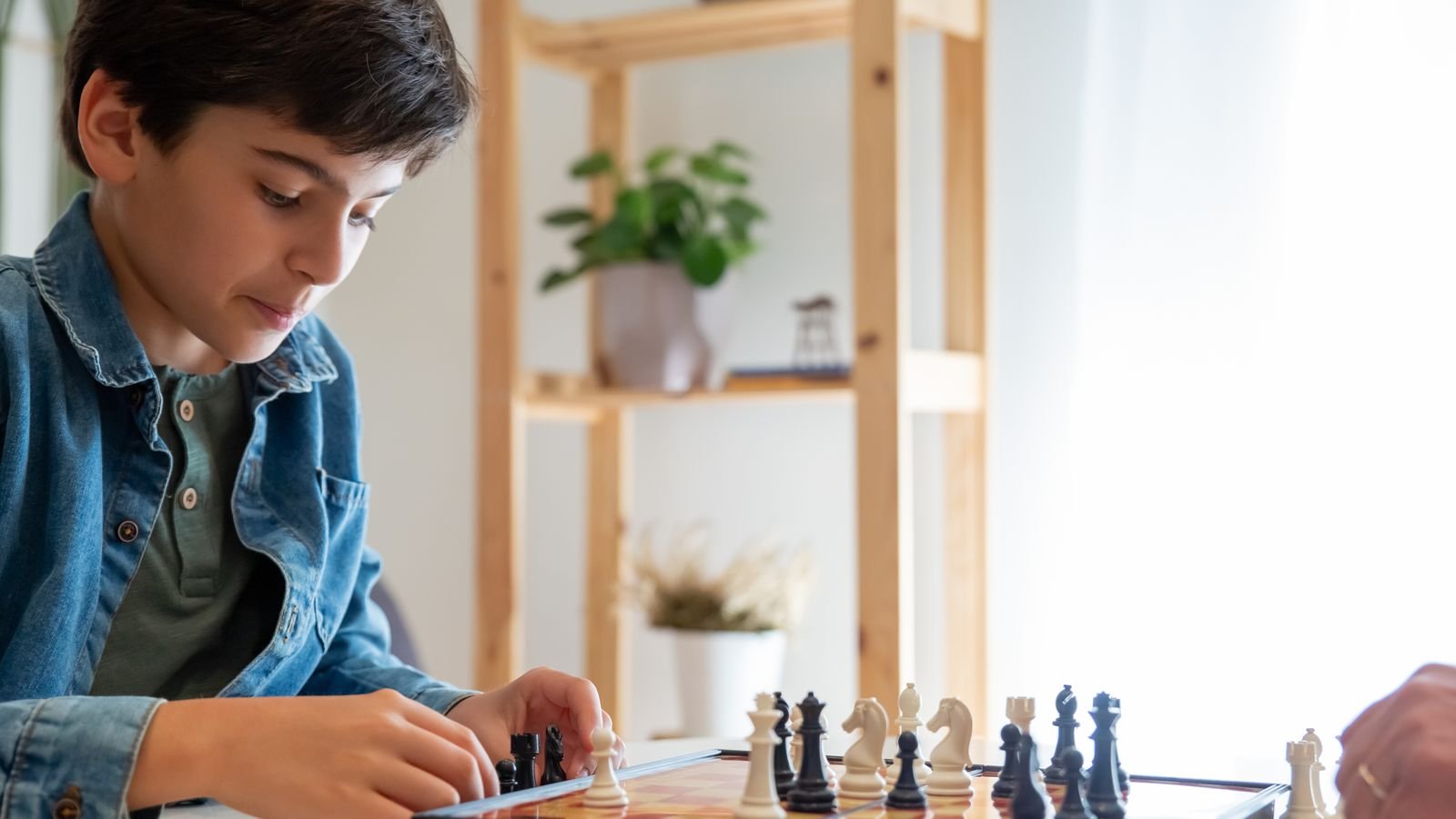
Choosing online chess classes in Singapore is easier than it looks, once you know the four things that actually separate a good class from a busy one: who is teaching, how many children are in the room, what happens between classes, and whether your child asks to come back. Everything else is decoration.
Most Singapore parents start the same way. A friend mentions chess, the child enjoys a school CCA session, and suddenly there are twenty tabs open, all promising grandmaster coaches and champion results. This guide is written to close nineteen of those tabs. It walks through what to look for, what to ask, what chess can and cannot do for school admissions, and how to use a free trial class to make the decision for you.
Chess has grown quickly in Singapore because the country recently sat at the centre of the chess world. In December 2024, Singapore hosted the FIDE World Chess Championship, where 18 year old Gukesh Dommaraju defeated the defending champion Ding Liren to become the youngest undisputed world champion in history. The match was later named Best Sports Event of the Year at the 2025 Singapore Sports Awards.
That was not the beginning, though. The Singapore Chess Federation has organised the game here since 1949 and runs junior squads, courses and rated tournaments from its home in Bishan. What changed after 2024 is visibility. Children saw a teenager win the world title, parents saw chess treated as a serious sport, and demand for coaching rose accordingly.
Chess also fits Singapore family life unusually well. It is quiet, it travels, it works across time zones for families who move, and it is one of the few screen activities most parents feel genuinely good about. A child on a chessboard is calculating, not scrolling.
A good online chess class has three visible parts: a short warm up puzzle, one clearly taught idea, and a played game where the coach stops and explains. If you watch a trial class and cannot identify those three parts, the class has no structure, however friendly it feels.
In practice, a strong 45 minute class looks like this. The first five minutes are a tactic or a checkmate puzzle to wake the brain up. The next fifteen introduce one concept, such as the value of the pieces, or why a knight on the rim is weak. Then the child plays, either against the coach or a training position, while the coach pauses at the important moments and asks questions rather than giving answers. The last five minutes are a recap and a small piece of homework.
Ask what the coach uses to teach. A shared digital board on Chess.com or Lichess is standard, with the coach drawing arrows and highlighting squares live. Ask whether you receive anything after the class. A one line note saying what was covered and what to practise is a small thing that tells you a great deal about how the school is run.
Two practical details are worth confirming before the first lesson, especially for younger children. Does the coach’s camera stay on for the whole class, and can you sit in or watch a recording whenever you want? In Singapore, where most online chess coaching is delivered by tutors based overseas, that kind of openness tells you more about a school than its website does.
Group classes suit confident children who already know the rules and enjoy competing, while 1 on 1 classes suit beginners, perfectionists, and children who go quiet in a crowd. Both work. The mistake is choosing the format by price rather than by temperament.
In a group of ten to fifteen children online, your child speaks for perhaps two minutes in an hour. That is fine for a child who is happy to absorb, ask in the chat, and play afterwards. It is difficult for a six year old who is still learning how the bishop moves, and it is frustrating for a strong ten year old who is being paced by the slowest learner in the room.
One on one changes the shape of the lesson entirely. The coach can stop mid game, rewind three moves, and ask your child to explain what they were thinking. Nobody is waiting. A shy child answers because there is nobody to be shy in front of. If your child has ever said “the teacher didn’t call on me”, that is your answer.
Plenty of Singapore families end up doing both, and the combination works well. Weekly 1 on 1 coaching builds understanding, while a monthly club session or junior tournament supplies the competition and the friendships. If the budget only stretches to one, start with 1 on 1 while the foundations are being laid, then add group play once your child can hold their own on the clock.
Ask two questions: what is the coach’s playing strength, and which age group do they normally teach. Playing strength is publicly checkable, since FIDE rated players and titles such as Candidate Master, FIDE Master and International Master appear on the world federation’s own database. If a coach claims a title, it takes thirty seconds to confirm.
The second question matters just as much, and almost nobody asks it. Teaching a seven year old is a different profession from playing well. A strong player who has only ever coached teenagers will explain a pin correctly and lose the child completely. Ask directly how many children under ten they currently teach.
Then ask the question that reveals everything: what do you do when a child cries after losing? A coach who has taught young children will answer immediately and specifically, because it happens every week. A coach who pauses has not been in that room.
Ask about safety while you are at it, since your child will be alone in a video call with an adult every week. Reasonable answers include background checked tutors, classes that parents can join or review, communication routed through the school rather than a coach’s personal number, and a named person you can contact if anything feels wrong. These are basic standards, and a school worth choosing will have settled them long before you ask.
Six things to tell your child at dinner tonight
In December 2024, Singapore hosted the match where 18 year old Gukesh Dommaraju became the youngest undisputed world chess champion ever.
That championship was named Best Sports Event of the Year at the 2025 Singapore Sports Awards, beating events with far bigger crowds.
The Singapore Chess Federation was founded in 1949, the same year the country crowned its first national chess champion.
After each player has made just one move, the board can already be in 400 different positions. After two moves each, it is over 70,000.
A lone knight can hop around the board and land on every one of the 64 squares exactly once. Mathematicians have studied this puzzle for centuries.
International Chess appears as a Direct School Admission talent area at some Singapore secondary schools, alongside sports like swimming and sailing.
Most children are ready for real chess lessons between the ages of 5 and 7, though the honest test is not age at all. It is whether your child can sit and focus for about twenty five minutes on something they chose. If they can do that with Lego, they can do it with chess.
Ages 4 to 5. Teach the pieces as characters and stories. Short sessions of twenty to thirty minutes, lots of movement games, no scorekeeping. The goal is affection for the board, not skill.
Ages 6 to 8. This is the sweet spot. Children learn all the rules, basic checkmates, and the habit of asking what the opponent is threatening. Forty five minutes once a week is plenty, with five minutes of puzzles on other days.
Ages 9 to 12. Tactics, simple openings, endgames, and a first tournament. This is where a child either falls in love with competing or settles happily into chess as a hobby. Both outcomes are fine, and a good coach will not push.
Ages 13 and up. Starting late is not a disadvantage for enjoyment or for the thinking skills. It only limits the very top of competitive play, which is not why most families start.
Three signs suggest a child is ready earlier than their age implies. They finish puzzles without being asked. They want to know the rules of a game rather than just play it. And they can lose a round of Snakes and Ladders without the evening collapsing. None of those is about intelligence. All of them are about temperament, which is what chess lessons actually depend on.
Chess can genuinely support a Direct School Admission application, but only as one part of a real profile. Some Singapore secondary schools list International Chess among their DSA talent areas, alongside sports and academic subjects. The Ministry of Education’s own DSA-Sec guidance is the place to check which schools offer what, since talent areas and timelines change each year.
Two cautions are worth stating plainly. First, DSA is not a way around academics. MOE is clear that a child offered a DSA place still needs a PSLE score that qualifies for the posting group of that school. Second, casual play will not be enough. Schools look for rated tournament results, national or zonal participation, and evidence of sustained commitment, which usually means starting in Primary 3 or 4 rather than the year of the application.
It also helps to understand the local pathway. Rated junior chess in Singapore runs largely through the Singapore Chess Federation and the school circuit, and a child needs to be registered with the federation to earn an official rating. Ask any prospective coach whether they prepare children for these events and whether they have taken students to them. A coach who teaches beautifully but never enters a student in anything cannot help you build a DSA profile.
So treat DSA as a possible bonus rather than the reason to start. Children who begin chess because a parent wants an admissions edge tend to stop within a year. Children who begin because they like it sometimes end up with the edge anyway.
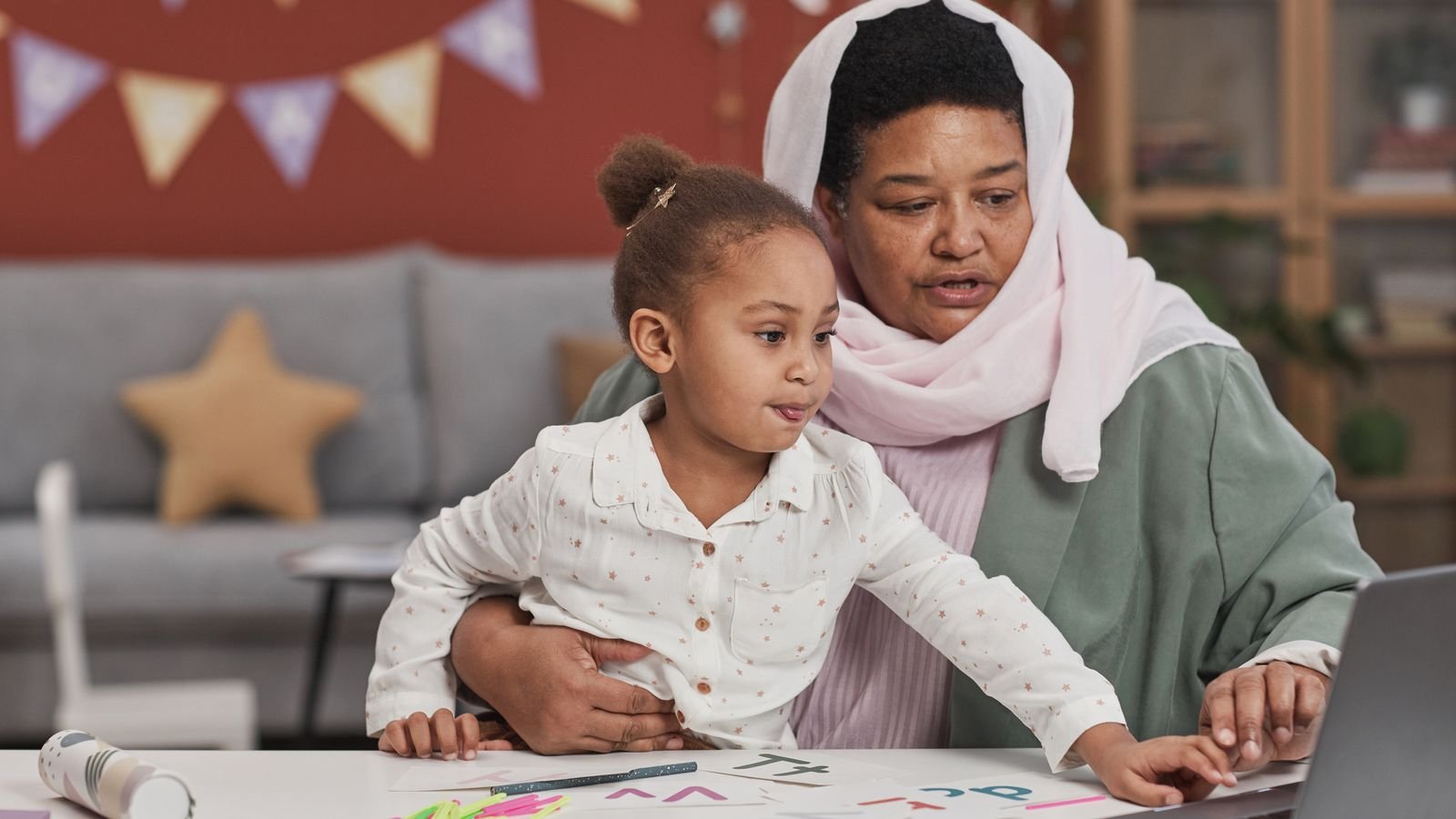
Compare classes by the cost per hour of your child’s actual attention, not by the price on the page. A cheap group class where your child speaks twice is not cheap. It is simply less. Work out roughly how many minutes of direct coaching your child receives, and the comparison usually resolves itself.
Then ask about the things that quietly cost you later. Is there a make up class if your child is unwell? Is it the same coach every week, or whoever is free? How long is the commitment, and what happens if you stop after a month? Do you get any written update on progress, or do you find out at the end of the term? Schools that answer these easily have thought about them. Schools that get vague have not.
Scheduling deserves its own question. Many online chess tutors are based in India, the Philippines or Europe, which is usually good news for Singapore families because it opens up after school and early evening slots that a local coach cannot always offer. Confirm three things: that class times are quoted in Singapore time, that your slot is fixed rather than reshuffled each week, and that someone tells you in advance when your coach is on leave.
One more thing worth paying for: consistency. A child who has the same coach for a year builds a relationship that carries them through the frustrating middle stage, when they know enough to lose properly and not yet enough to win. That stage is where most children quit, and a familiar coach is what gets them past it.
The clearest warning sign is a school that will not let you try before you commit. If a free or low cost trial class is not offered, you are being asked to buy something you have not seen. Here are the others worth noticing.
A rotating cast of coaches. No homework and no feedback after class. Pressure to pay for a full year upfront with a discount that expires today. A coach whose playing strength or teaching background cannot be verified. Classes that are really just supervised free play. No record of what was covered. Communication only through a sales person, never the coach. And the quietest red flag of all: your child stops mentioning chess between classes.
None of these means a school is dishonest. Most are simply signs of a business built for volume rather than for children. You are looking for the opposite: somebody who remembers your child’s name, recalls what they struggled with last week, and tells you the truth about how they are getting on.
Simple things you can try at home this week
Play one slow game a week. No timer, no phone. Slow games teach thinking. Fast games only teach speed.
Ask one question before every move. “What is your opponent trying to do?” This single habit prevents most beginner blunders.
Three puzzles a day, not thirty. Ten focused minutes beats an hour of clicking. Consistency is what raises a rating.
Let them lose without rescuing them. Losing is where chess does its real work on patience. Resist the urge to hint.
Keep a small notebook. After each game your child writes one line: what I did well, what I would change. Two sentences is enough.
Leave a real board out. A physical set on the dining table gets played with far more than an app icon does.
Let your child teach you. Explaining a rule to a parent forces a child to understand it properly, and they love being the expert.
A two minute puzzle to try with your child right now
Set up a board in the starting position and look at your own side. Every square is protected by at least two pieces, except one. That single square is defended only by the king, and more beginner games are lost there than anywhere else on the board. Which square is it?
Tap a question to reveal the answer
A free trial is not a sales demo, it is your assessment of the coach. Sit quietly nearby and watch for five specific things. Does the coach ask your child questions rather than lecture? Does your child speak, and do they laugh at least once? Does the coach correct a mistake without making your child feel small? Is one clear idea taught, or is it just a game? And afterwards, does anyone tell you what happens next?
Then apply the only test that really matters. An hour later, ask your child whether they want to do that again. Children are unreliable about many things, but they are honest about this one. If the answer is a fast yes, you have found your coach. If it is a shrug, keep looking, because the right coach is out there and your child will tell you when you have found them.
More for curious parents
MasterMindz offers live 1 on 1 online classes for children and has taught 750+ students across 11+ countries, including many families in Singapore. Children learn chess, maths, coding and more with experienced tutors, one child and one teacher, at a pace that fits them.