October 13, 2026
Chess makes kids better students mainly through the habits it trains: pausing before acting, checking for problems, planning ahead, reviewing mistakes and staying focused to the end. Those...


Chess engines play better than any grandmaster. So why do children still learn fastest with a person on the other side of the board?
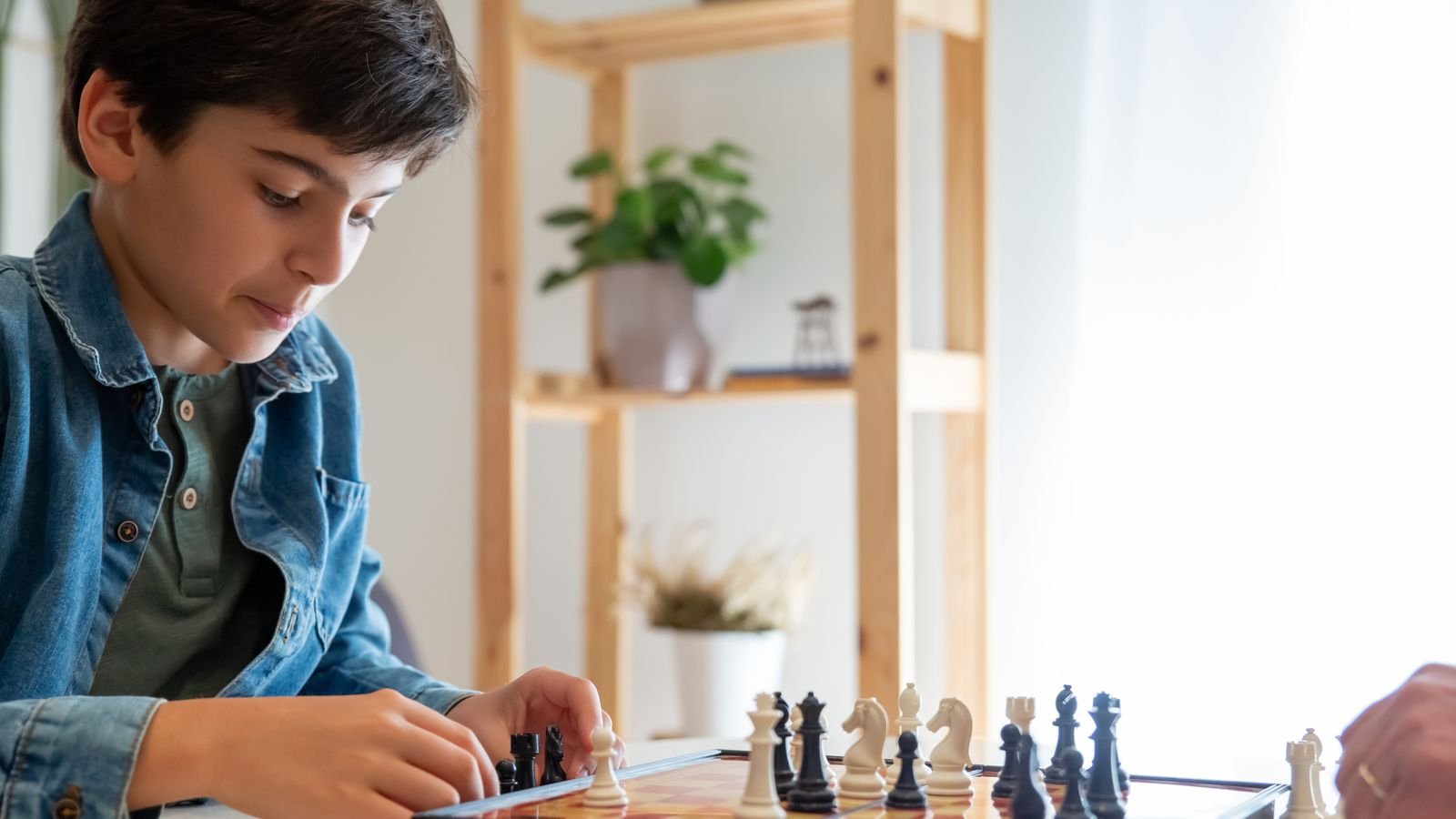
An AI chess bot can play your child all day and never get tired, but it cannot teach them how to think. That is the short answer to a question more parents are asking in 2026. Engines and apps are wonderful practice tools. A human coach is still the thing that turns practice into real progress.
Your child may already play against a friendly robot on an app, or watch a computer suggest the “best move” after every game. It is natural to wonder whether a coach is still worth it when a free engine is stronger than any world champion. This guide explains what each one does well, where each one falls short, and how to combine them so your child enjoys chess and improves steadily.
No. An AI chess bot can replace a practice opponent, but not a teacher. Engines are built to find the strongest move in a position. A coach is there to understand your child: how they think, what confuses them, and what will make the next idea click.
Computers passed humans at chess a long time ago. IBM’s Deep Blue beat world champion Garry Kasparov in 1997, and today’s engines are far stronger still. Yet chess has more young players and more coaches than ever. Being brilliant at chess and being brilliant at teaching chess to a seven year old turn out to be two very different skills.
AI chess tools are best at giving children unlimited, patient practice at exactly the right difficulty. That is a real gift, and there is no reason to avoid it. Here is where apps and bots shine:
AI cannot see the child behind the moves. It does not notice that your daughter always rushes when she is winning, or that your son freezes after one bad trade. Those patterns are where most of a young player’s growth hides, and they are exactly what a good coach spots within a few lessons.
An engine might say a move is worth “+2.4”. To a child, that is just a number. A coach says, “Your knight has no safe squares here, so let’s find it a better home.” One is information. The other is understanding that your child can reuse in a hundred future games.
Losing is a big part of chess, and children feel it deeply. A bot will simply offer a rematch. A coach can turn a painful loss into a calm lesson, celebrate a brave idea even when it failed, and keep a child from quitting during the frustrating early months.
Apps serve whatever comes next. A coach decides what your child needs this month, whether that is checkmate patterns, opening principles or simply slowing down, and builds each lesson on the one before.
Robots, humans and the game of kings
IBM’s Deep Blue beat world champion Garry Kasparov in a six game match, the first time a computer won a match against a reigning champion.
In 2017, DeepMind’s AlphaZero learned chess only by playing itself, and was reported to outplay a top engine after about four hours of training.
After losing to Deep Blue, Kasparov helped popularise “Advanced Chess”, where a human and a computer play together as a team.
A chess engine shows its judgement as a number. It has no built in way to explain why a move is good in words a child understands.
Research on hundreds of rated players found that serious, focused study was a stronger predictor of skill than the number of games played.
Even though machines are now unbeatable, millions of children around the world keep learning and loving chess.
Children improve fastest at chess through focused, guided study, not by playing hundreds of quick games. This is one of the most consistent findings in chess research, and it is the main reason a coach matters even in the age of AI.
A well known study on deliberate practice in chess looked at the training histories of hundreds of players. Time spent in serious, effortful study was a stronger predictor of rating than time spent simply playing. Studying well means working on the right weakness, at the right level, with feedback. That is very hard for a child to organise alone, and an app does not organise it for them.
This is where the two tools fit together neatly. The coach sets the direction and explains the ideas. The AI tool gives your child lots of extra repetitions of exactly those ideas between lessons.
The younger the child, the more they need a human, and the less useful a raw engine is. Here is a simple guide by age.
Young beginners need stories, games and a warm voice. Learning how the knight moves through a “horse that jumps in an L” story sticks far better than an app tutorial. Use apps lightly, mainly for simple puzzles with a parent nearby. Keep engine analysis switched off.
This is the sweet spot for combining both. Children can follow a coach’s plan and practise independently on a puzzle trainer. A beginner level bot is great for testing new openings they learned in class.
Older children can start using engine analysis properly, but only after they have tried to find their own mistakes first. A coach teaches them how to review a game, so the engine becomes a checker rather than a crutch.
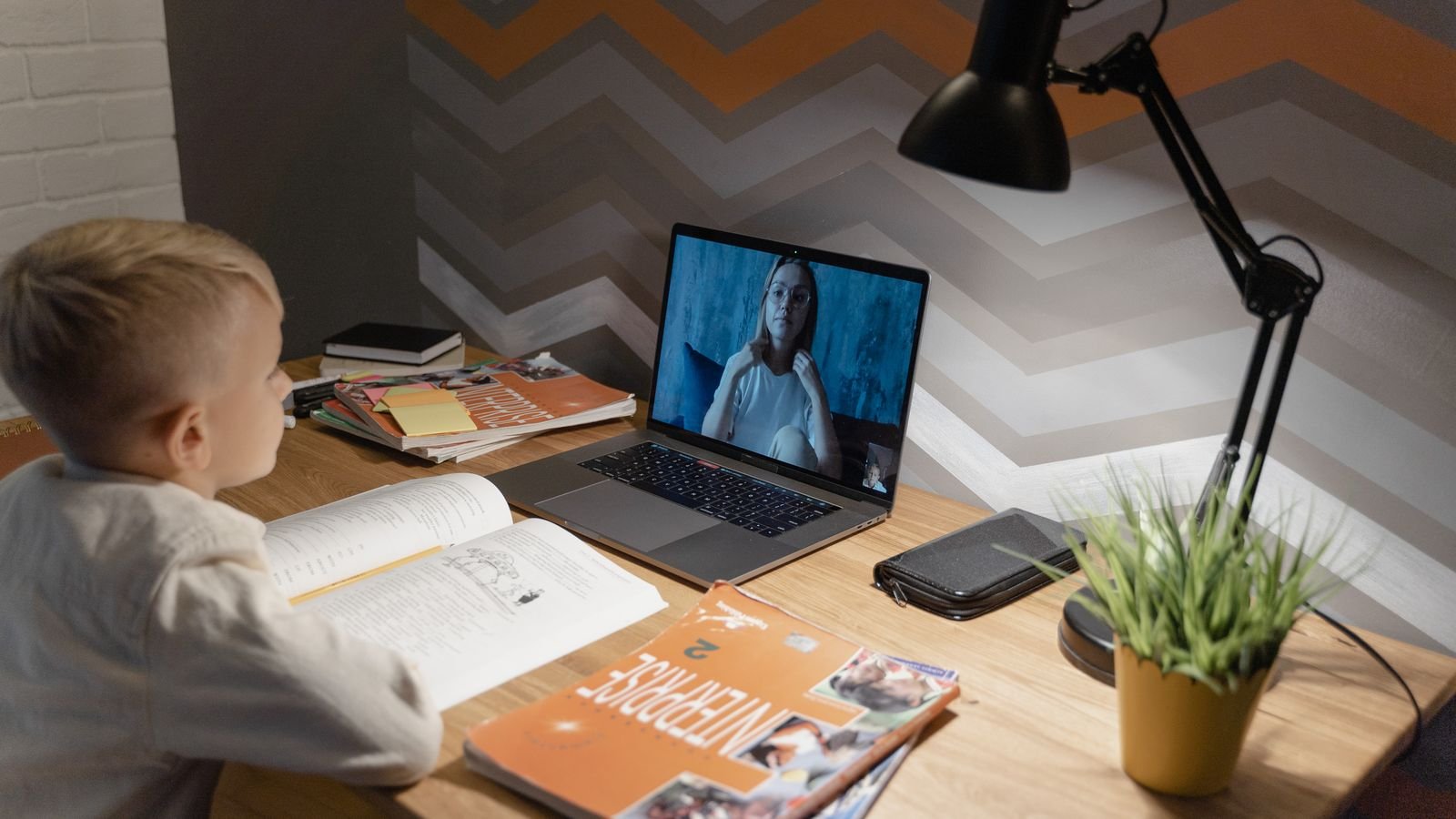
The most effective routine for most children is one or two live lessons a week with a coach, plus short AI practice sessions on the days in between. Here is a plan that works well for a busy family:
That last step closes the loop. The AI provides practice, and the human turns the questions from that practice into understanding.
The most common mistake is letting an app become a fast game machine rather than a learning tool. A few other traps are worth avoiding:
Smart ways to use chess apps at home this week
Think first, check second. After a game, ask your child to find their own biggest mistake before opening the engine.
Set the bot to “win some”. Choose a level where your child wins roughly half the time, then raise it slowly.
Turn off move hints. Keep hints for puzzles only, never during real games.
Slow the clock down. Ten minute or longer games give your child time to use what their coach taught.
Ask “why?” at dinner. Have your child explain one good move from today. Explaining is proof of understanding.
Keep a question notebook. Write down confusing moments from app games to bring to the next lesson.
A classic pattern every coach teaches early. Read it aloud with your child.
White has a King on g1 and a Rook on a1. Black has a King on g8 with three pawns in front of it on f7, g7 and h7. It is White’s move. Can you checkmate in one move?
Tap a question to reveal the answer
AI chess tools are here to stay, and that is good news for children. Used well, they give endless practice at the right level. But practice without guidance tends to repeat the same mistakes. A human coach brings the reasons, the plan and the encouragement that make practice count. The winning move for most families is simple: a coach to teach, and a bot to practise with.
More for curious parents
MasterMindz teaches children worldwide through live, personal 1 on 1 online classes in chess, maths, coding and more, with experienced tutors and a fun, individual approach. MasterMindz offers live 1 on 1 online classes for children and has taught 750+ students across 11+ countries.