September 28, 2026
Most Singapore parents are not really choosing between tuition and enrichment. They are choosing how to fit both into a week that is already full.


A calm, week by week guide to spotting real progress, so you know your time and money are going to the right place.
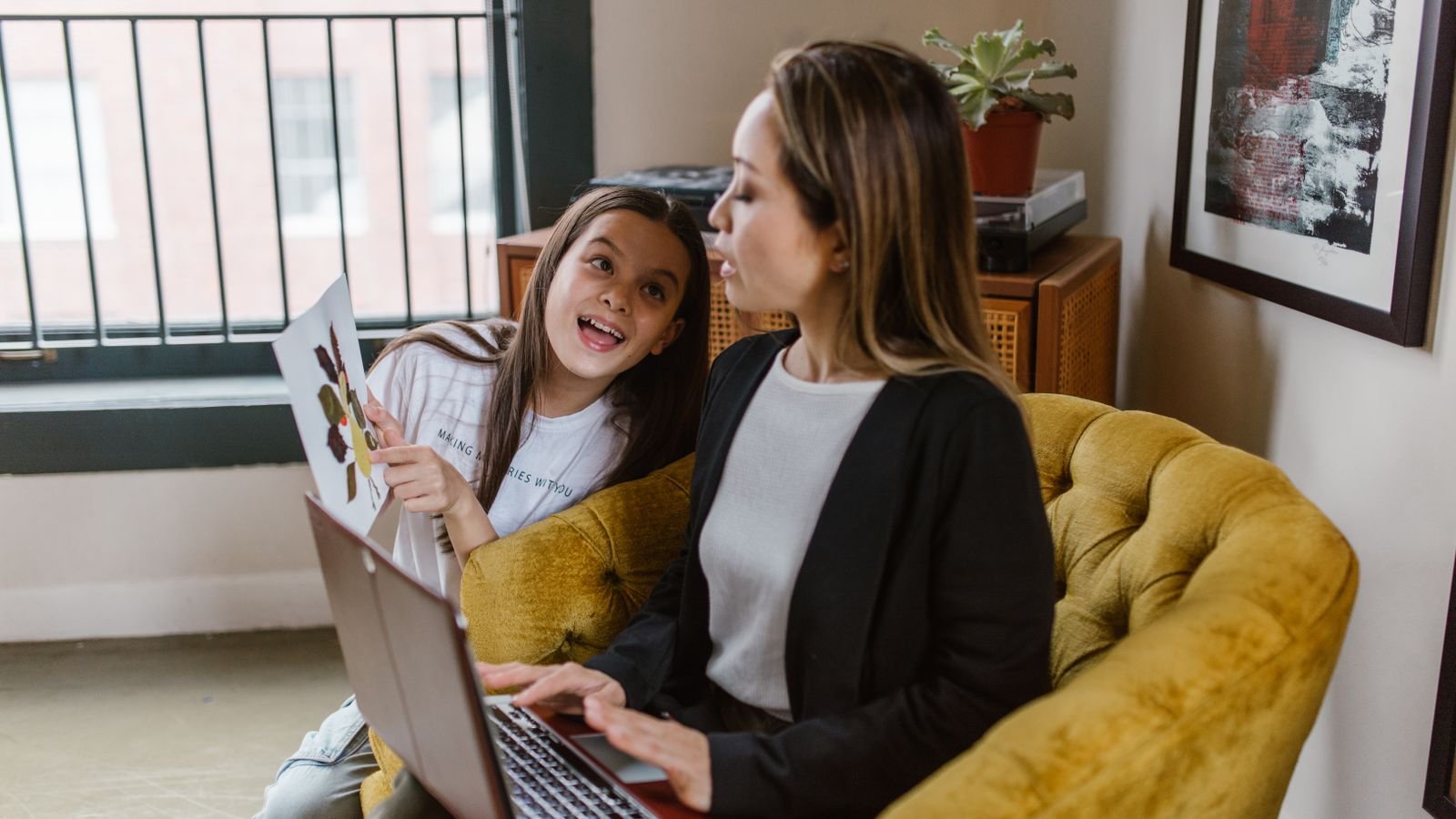
Online classes are working when your child is more engaged, more skilled and more independent than they were a few weeks ago. You rarely see all three at once. They tend to arrive in that order, roughly a month apart, which is why many parents worry too early.
Whether your child is learning chess, maths, coding or music, you are investing time, money and family energy. It is fair to want proof that it is paying off. This guide gives you a simple timeline of what to look for at 4, 8 and 12 weeks, the red flags that do mean something is wrong, and easy ways to track progress at home without turning it into a test.
You know online classes are working when you can see changes in three areas: how your child feels about the class, what they can now do, and how much they do without help. Marks and certificates matter, but they are late signals. The early signals are in behaviour.
Good teaching does make a measurable difference. The UK’s Education Endowment Foundation reviewed the evidence and found that one to one tuition adds around five months of extra progress on average over a school year. That is a big effect, but it builds over months, not days. Knowing what to look for along the way keeps you patient when things are going well, and alert when they are not.
In the first month, the most important sign is that your child is willing, even happy, to join each class. Skills come later. Right now you are checking whether the tutor, the subject and the format fit your child.
If none of these appear by week four, it does not always mean the subject is wrong. Often the pace, the time slot or the tutor match needs adjusting, and that is an easy conversation to have.
Between weeks five and eight, you should start to see your child do something they could not do before. The changes are usually small and specific, which makes them easy to miss unless you look for them.
A useful test is to ask your child to teach you one thing from class. If they can explain it in their own words, the learning is real, not just memorised for the lesson.
The science of progress, in bite sized pieces
In a well known study, it took people a median of 66 days for a new daily behaviour to feel automatic.
The same study found habits took anywhere from 18 to 254 days to form, so every child’s timeline is different.
Evidence reviews suggest one to one tuition adds around five months of progress over a school year on average.
Explaining an idea to someone else is one of the best ways to check and strengthen your own understanding.
Learners often hit flat patches where skills are settling in before the next jump. Flat is not the same as stuck.
Habit research also found that missing one day did not undo progress. Consistency over weeks matters more than perfection.
By around three months, the strongest sign classes are working is that your child starts doing the subject on their own. They practise without reminders, try harder problems, and bounce back from mistakes more quickly.
This is also the point where a good tutor should be able to show you clear before and after examples, such as early games versus recent ones, or a worksheet from week one next to one from week twelve.
Progress feels slow at first because new habits and skills take weeks to settle, even when teaching is excellent. Research from University College London on how habits form in real life found that a new daily behaviour took a median of 66 days to become automatic, with a wide range between people.
Learning a subject works in a similar way. In the early weeks, your child is building foundations you cannot see: vocabulary, patterns and the comfort to ask questions. Then things begin to click, often suddenly. Parents who stop after three or four lessons often leave just before that click.

Some signs mean it is time to talk to the tutor or make a change, whatever the week. Patience is good, but these should not be ignored:
Most of these have simple fixes: a different time slot, a faster or slower pace, or a better tutor match. In 1 on 1 classes, these changes can happen straight away because the lesson is built around one child.
The quickest way to check progress is to ask the tutor a few specific questions every month. A good tutor will welcome them.
Easy ways to track progress at home this week
Take a week one snapshot. Save a photo of a first worksheet, game or recording. You will want it for comparison later.
Ask a better question. Swap “How was class?” for “What was the most interesting thing today?”
Let them teach you. Once a week, be the student for five minutes. It is fun, and it shows you what really stuck.
Keep a one line journal. After each class, write one sentence about your child’s mood and one new skill.
Set a monthly check in. Put a 10 minute chat with the tutor in your calendar every four weeks.
Praise effort, not only results. “You kept trying on that hard one” builds the resilience that drives long term progress.
Test your progress instincts. Tap to reveal each answer.
Six common beliefs about children’s learning. Which ones are true?
Tap a question to reveal the answer
Every child has off days, tired weeks and lessons that do not quite land. That is normal. What matters is the pattern over a month or two: more willing, more skilled, more independent. Take a snapshot now, check in every four weeks, and keep talking with the tutor. If the signs are there, stay the course. If they are not, you will know early enough to change something while your child’s enthusiasm is still high.
More for curious parents
MasterMindz teaches children worldwide through live, personal 1 on 1 online classes in chess, maths, coding and more, with experienced tutors and a fun, individual approach. MasterMindz offers live 1 on 1 online classes for children and has taught 750+ students across 11+ countries.