October 24, 2026
Hybrid learning for kids is simple: your child keeps going to school every day, and you add one or two live online classes that school cannot offer in the same personal way.


Six weeks off school, without endless screens or extra tuition.
The December school holidays in Singapore are long enough to rest properly and still learn something new, as long as you give the weeks a little shape. Most parents want fewer hours on screens and no tuition marathon.
Below are 12 activities for children aged 5 to 14, each with an age range, time needed and what it builds, plus a sample week, post-exam advice and a printable checklist.
For 2026, MOE lists the year-end holidays for MOE Kindergarten, primary and secondary students as Saturday 21 November to Thursday 31 December, which is about six weeks. JC Year 1 and Millennia Institute Years 1 and 2 break from Saturday 28 November. You can check every date on the official MOE school terms and holidays for 2026 page.
Without a plan, six weeks slides into late nights and long gaming sessions. With too much plan, it becomes a second school term. Aim for the middle.
A screen-smart activity makes your child think, create or move, and uses a screen only as a tool, not as entertainment. Singapore’s Ministry of Health guidance on screen use, updated in January 2025 under the Grow Well SG strategy, suggests that children aged 7 to 12 keep recreational screen time outside school to under two hours a day.
A live coding lesson is active and social. Scrolling short videos is not. Each idea below passes three tests: it stretches thinking, involves another person, and leaves something behind.
The easiest brainy activities need only a kitchen table and suit rainy afternoons.
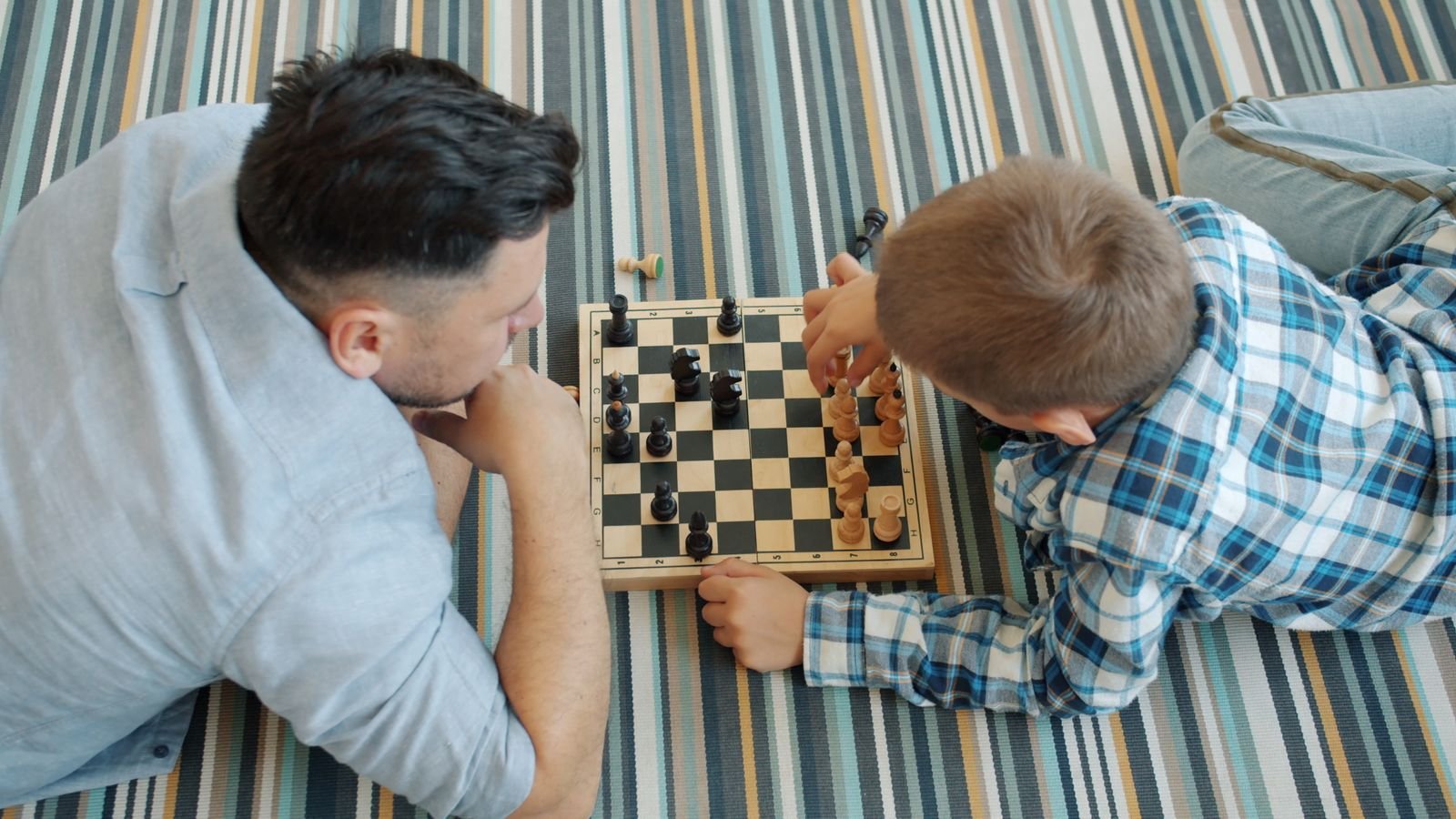
Ages: 5 and up. Time: 20 to 40 minutes a game. Builds: planning, patience and graceful losing. Draw a bracket on paper and play one round a day. Grandparents count. Younger children get one “take back” per game.
Ages: 7 and up, or 6 with help. Time: 15 to 20 minutes a day. Builds: memory, sequencing and persistence. Learn one stage of the beginner method per day, starting with the white cross. By the weekend, a solve with notes is realistic.
Ages: 5 to 14. Time: 5 to 10 minutes. Builds: logic and a daily habit. Hide one riddle or logic question on a sticky note each morning. Older siblings can write puzzles for younger ones.
Ages: 6 to 14. Time: 30 minutes. Builds: confidence and deep understanding. Your child teaches you something they know well, such as a maths method or a chess opening. Explaining a skill is the fastest way to own it.
Singapore’s hawker centres, MRT, libraries and parks make brilliant free classrooms.
Ages: 6 to 12. Time: 5 to 15 minutes, anywhere. Builds: mental maths and number confidence. At the hawker centre, your child estimates the bill and works out the change. On the MRT, count stations and estimate the journey time. Older children can try a Vedic maths shortcut.
Ages: 5 to 14. Time: a weekly visit plus 20 minutes of daily reading. Builds: vocabulary, focus and independence. Visit your nearest public library and set a target together, for example one non-fiction, one mystery and one Mother Tongue book.
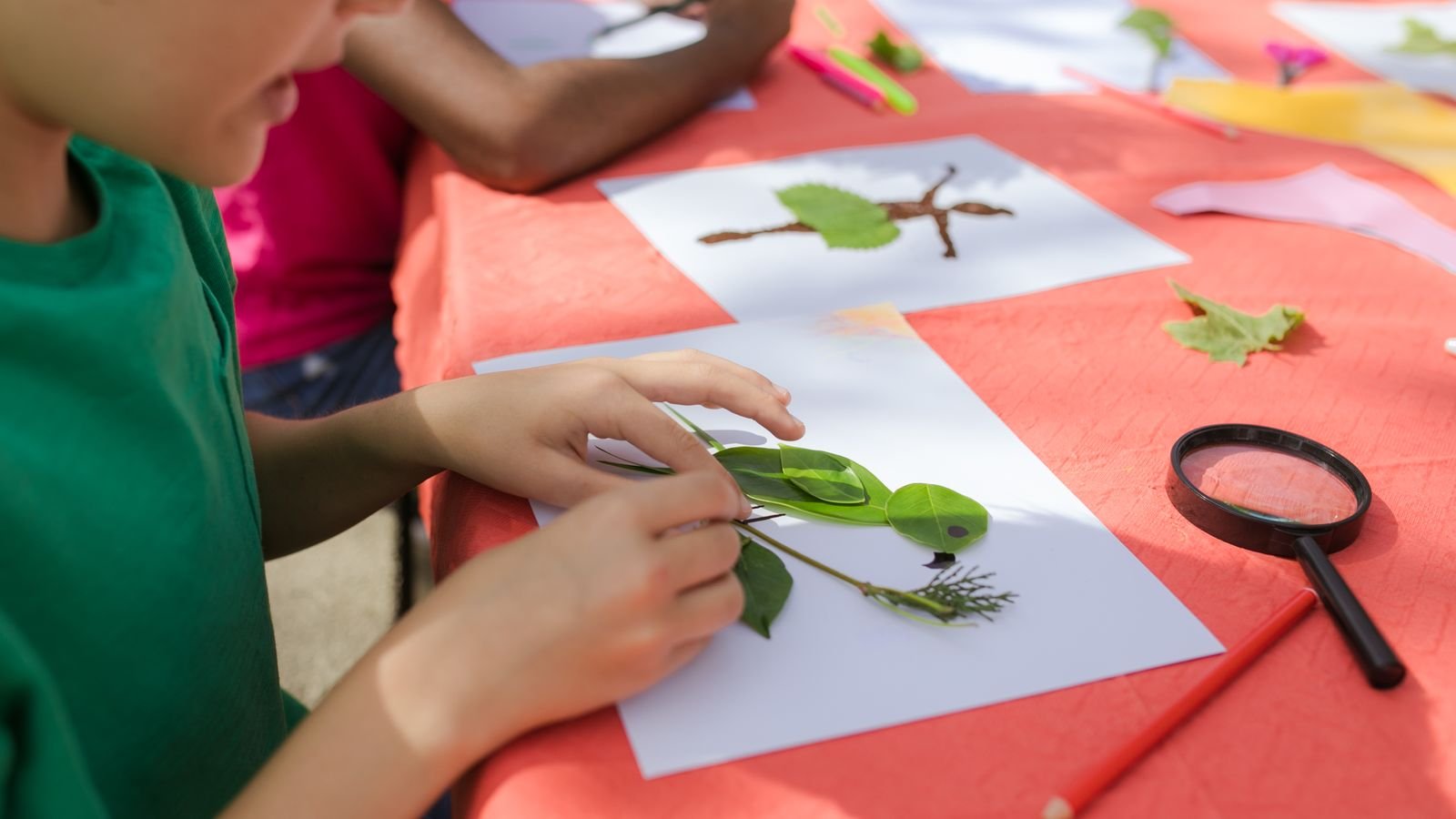
Ages: 5 to 12. Time: 45 to 90 minutes, early morning. Builds: observation and scientific thinking. Try a neighbourhood park or the Singapore Botanic Gardens with a mission: find five leaf shapes or sketch a bird.
Six holiday facts to share at the dinner table
The Singapore Botanic Gardens became a UNESCO World Heritage Site in 2015.
A Rubik’s cube has about 43 quintillion positions. Only one is solved.
Any scrambled cube can be solved in 20 moves or fewer.
23 x 11: add 2 and 3 to get 5, put it in the middle: 253.
Singapore’s first MRT stretch opened in 1987.
There are estimated to be more possible chess games than atoms in the observable universe.
December is the perfect window to try one new skill, with no homework competing for energy.
Ages: 7 to 14. Time: 30 to 45 minutes, three times a week. Builds: logic, creativity and debugging patience. Set one goal, such as an animated greeting card or a family quiz game. This is screen time with a purpose.
Ages: 5 to 14. Time: 15 minutes a day. Builds: discipline, memory and listening. Choose one song to perform at a family gathering in late December. A performance date turns practice into a countdown.
Ages: 5 to 14. Time: 5 minutes. Builds: vocabulary and cultural curiosity. Stick one word in a Mother Tongue or new language on the fridge each morning. Everyone uses it at dinner.
Ages: 6 to 14. Time: 10 minutes before bed. Builds: writing, reflection and memory. Each night, three lines: something I did, something I learned, something I want to try. Younger children can dictate.
Ages: 5 to 14. Time: one or two live lessons a week. Builds: a real new skill with expert guidance. A few live 1 on 1 online classes give the holiday a gentle anchor, paced around one child.
A good holiday week has a loose rhythm, not a timetable: one outing, a few short learning bursts and lots of free play.
The best way to avoid holiday burnout after PSLE or year-end exams is to give your child a full week of genuine rest first, with no assessment books at all.
After that, let your child choose most activities, because choice restores the control exam season takes away. Praise effort, watch for irritability or poor sleep, and if results disappoint, a new hobby can rebuild confidence faster than worksheets.
Screenshot this list and let your child tick items off during the December school holidays.
Simple things you can try at home this week
Hold a planning meeting. Choose four or five activities with your child before the break.
Set a screen basket. Devices go in one place at meals and after a set evening time, parents included.
Go out early. Plan outdoor outings for cooler mornings.
Keep sessions short. Fifteen focused minutes beats an hour of reluctant practice.
Make a “bored” jar. Saying “I’m bored” means drawing an idea from the jar.
Celebrate on 31 December. End with a mini showcase of everything made.
Read it aloud and race to solve it in your head
Pretend prices: chicken rice $4.50, kaya toast $2.30, teh $1.60 each. You order one chicken rice, one kaya toast and two teh, and pay with $20. What is your change?
Tap a question to reveal the answer
A memorable December holiday in Singapore needs a few good habits, curiosity and time together, not a packed schedule. Pick three or four ideas, add rest, and let your child lead. Singapore’s Grow Well SG strategy was set up to help families build healthy habits in children, and the holidays are the easiest time to start one small routine.
MasterMindz offers live 1 on 1 online classes for children and has taught 750+ students across 11+ countries. The first class is a free trial with no commitment.