October 13, 2026
Chess makes kids better students mainly through the habits it trains: pausing before acting, checking for problems, planning ahead, reviewing mistakes and staying focused to the end. Those...


A parent’s guide to the numbers, and what real progress looks like in the first year.
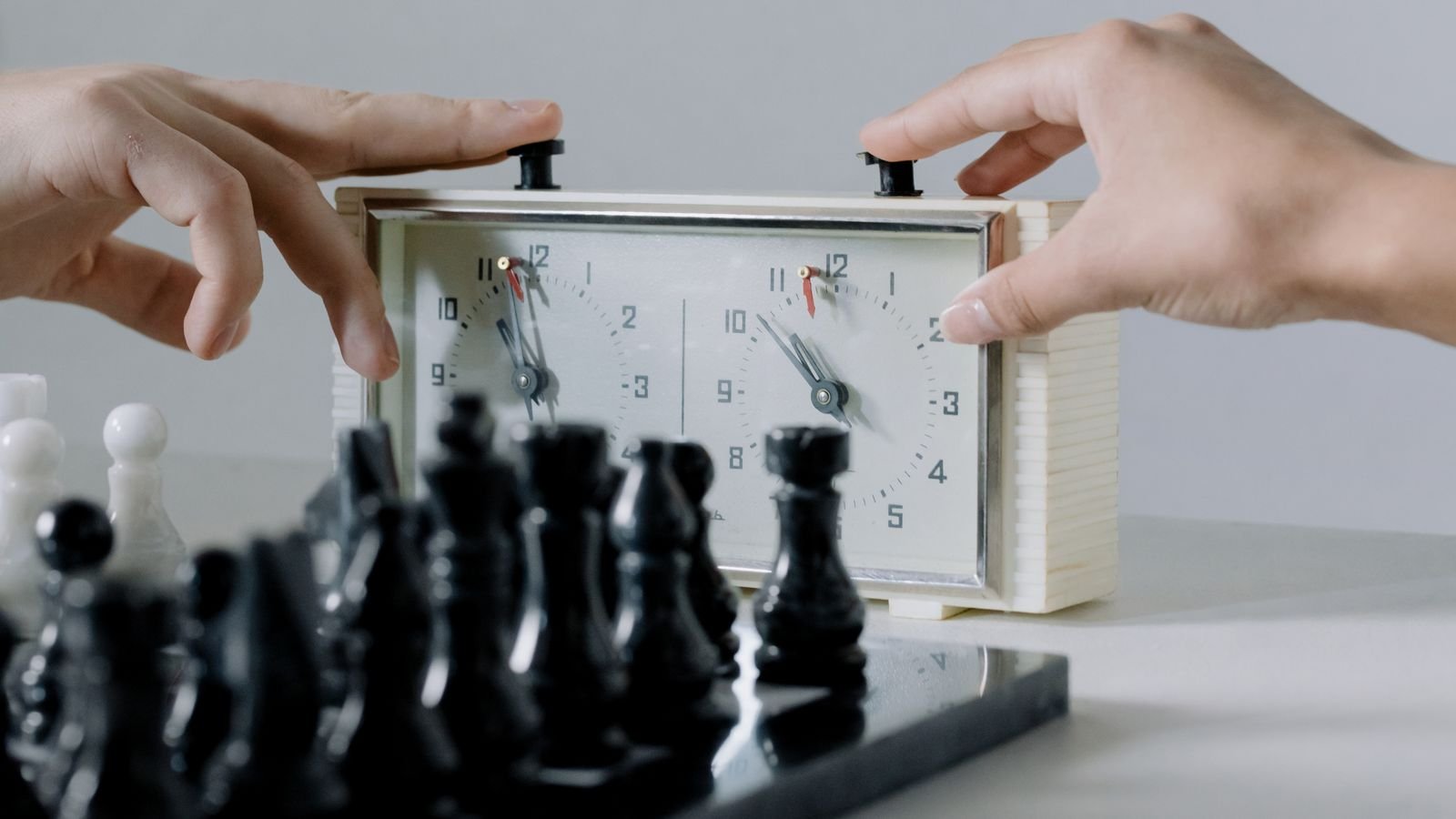
A chess rating is a number that estimates how strong a player is, based on their results against other rated players. It goes up when your child does better than expected and down when they do worse. For a beginner child, the rating matters less than the skills behind it, and those skills can grow surprisingly fast.
Maybe your child has started playing online and keeps mentioning “my rating”. Maybe a coach has suggested a first tournament. Either way, this guide explains what the numbers mean, why your child may have three different ratings, and what a realistic first year of progress looks like.
A chess rating is a prediction tool: the bigger the gap between two players’ ratings, the more likely the higher rated player is to win. After every rated game, the system compares the result with that prediction and adjusts both ratings.
Beat someone rated much higher and your child gains a lot of points. Lose to someone rated much lower and they drop a lot. Results that match expectations barely move the number. That is why a rating is a fair, self correcting measure over time, even though a single game can feel random.
The most famous version is the Elo system, named after Arpad Elo, a physics professor and chess player. FIDE, the world chess federation, adopted it in 1970.
Your child has different ratings because FIDE, national federations and online platforms each run their own rating pool with their own formula. A 1500 online and a 1500 FIDE are not the same thing.
FIDE ratings come from official over the board tournaments. FIDE updated its rating regulations in 2024, raising the lowest possible rating from 1000 to 1400 and adjusting existing ratings below 2000 upwards.
National ratings are run by individual federations for local events and can follow their own rules.
Online ratings on sites like Lichess and Chess.com use the Glicko family of systems. Lichess, for example, starts every new player at 1500 and notes on its rating systems page that its ratings cannot be directly compared with FIDE ratings. Online ratings are also split by speed, so your child may have separate bullet, blitz and rapid numbers.
Rating facts most parents never hear
The Elo rating system is named after Arpad Elo, a Hungarian born American physics professor and keen chess player.
FIDE adopted the Elo system in 1970. Before that, there was no single worldwide way to compare players.
Since March 2024, the lowest FIDE rating anyone can have is 1400, up from 1000.
Under Elo, a player rated 200 points higher is expected to score about 76 percent against the lower rated player.
Magnus Carlsen reached a FIDE rating of 2882 in 2014, the highest classical rating ever recorded.
FIDE ratings of young players move faster, because most players under 18 get a bigger adjustment after each game.
Chess ratings are best read as skill bands rather than exact scores. A helpful guide is how FIDE describes the players each trainer level usually teaches, in its trainer title regulations.
Online numbers often sit higher than a child’s over the board strength, so use them to track direction rather than to compare with tournament players.
A beginner child with regular lessons and short daily practice can usually go from knowing the moves to playing confident, sensible games within six to twelve months. Exact rating gains vary widely, so think in milestones rather than points.
Rules, piece values, check and checkmate, and simple mates such as queen and king against king. Games start to have a real ending instead of fizzling out.
Fewer free pieces given away. Basic tactics like forks and pins. Your child starts asking “what is my opponent threatening?” before moving.
Sound opening principles, simple endgames and the first planned attacks. Many children are ready for a first friendly or rated tournament somewhere in this window.
Children who start very young often move a little slower at first, simply because attention spans are shorter. They usually catch up quickly once patterns click.
The biggest driver of chess improvement is deliberate practice: focused study and serious games, followed by honest review of mistakes. Talent helps, but practice predicts progress far more reliably.
A study of young Dutch chess players published in the British Journal of Psychology found that deliberate practice strongly predicted their ratings over time, for players who stayed in elite training and for those who left it.
In everyday terms, that means puzzles, playing longer games where your child has time to think, and going over those games with someone who can point out patterns. Ten focused minutes a day beats one long, distracted session at the weekend.
Chess ratings go up and down because every game is a small sample, and children’s play changes quickly from week to week. Short slumps are normal, even for strong players.
Common reasons for a dip include playing very fast games, playing when tired, a growth spurt in ambition where your child tries new ideas, or simply facing tougher opponents. Plateaus often come just before a jump, as a new skill is half learned.
If a slump lasts more than a few weeks, look at habits rather than the number. Is your child rushing? Skipping puzzle practice? Playing late at night? Fix the habit and the rating usually follows.
A child is ready for a rated tournament when they can finish games calmly, write down moves or follow the event’s recording rules, and handle losing without tears for the rest of the day.
Start with a local junior or rapid event. Treat it as an experience, not an exam. Your child’s coach can help choose the right section, prepare a simple opening plan and, most importantly, review the games afterwards. That review is where the real learning from a tournament happens.
Talk about effort and decisions rather than the number. Praise like “you checked every capture before moving” builds the habits that raise a rating far more than “you gained 50 points”.
Some children become anxious about protecting their rating and stop playing stronger opponents. Remind them that every great player lost thousands of games on the way up, and that losses to stronger players are the fastest way to learn.
Simple things you can try at home this week
Pick one rating to track. Choose a single online rating, ideally rapid, and check it once a week, not after every game.
Play slower games. Encourage rapid games of 10 minutes or more. Children improve faster when they have time to think.
Do five puzzles a day. Short daily puzzle practice builds pattern recognition, which is the engine of early improvement.
Review one game each week. Sit with your child and ask: where did the game turn? What would you do differently?
Celebrate habits, not points. Notice when your child checks threats or takes their time. Those habits create rating gains.
Stop after two losses. A simple house rule prevents frustrated tilt and protects both mood and rating.
Test what you know about chess ratings. Tap each one to check.
Read each statement aloud with your child and vote before you reveal the answer.
Tap a question to reveal the answer
A chess rating is a useful compass, but it is not the destination. The real progress is a child who thinks before moving, spots their opponent’s ideas and enjoys a hard challenge. Build those habits and the number takes care of itself.
If you would like an honest read on where your child stands today and a clear plan for the next three months, a MasterMindz chess coach can assess them in a free 1 on 1 trial class.
MasterMindz offers live, personal 1 on 1 online classes for children in chess, maths, coding and more, and has taught 750+ students across 11+ countries. Every child gets their own coach, a lesson plan built around them, and class times that fit your family’s time zone.