October 13, 2026
Chess makes kids better students mainly through the habits it trains: pausing before acting, checking for problems, planning ahead, reviewing mistakes and staying focused to the end. Those...


Ratings, FIDE titles, teaching style and the red flags most parents only spot too late.
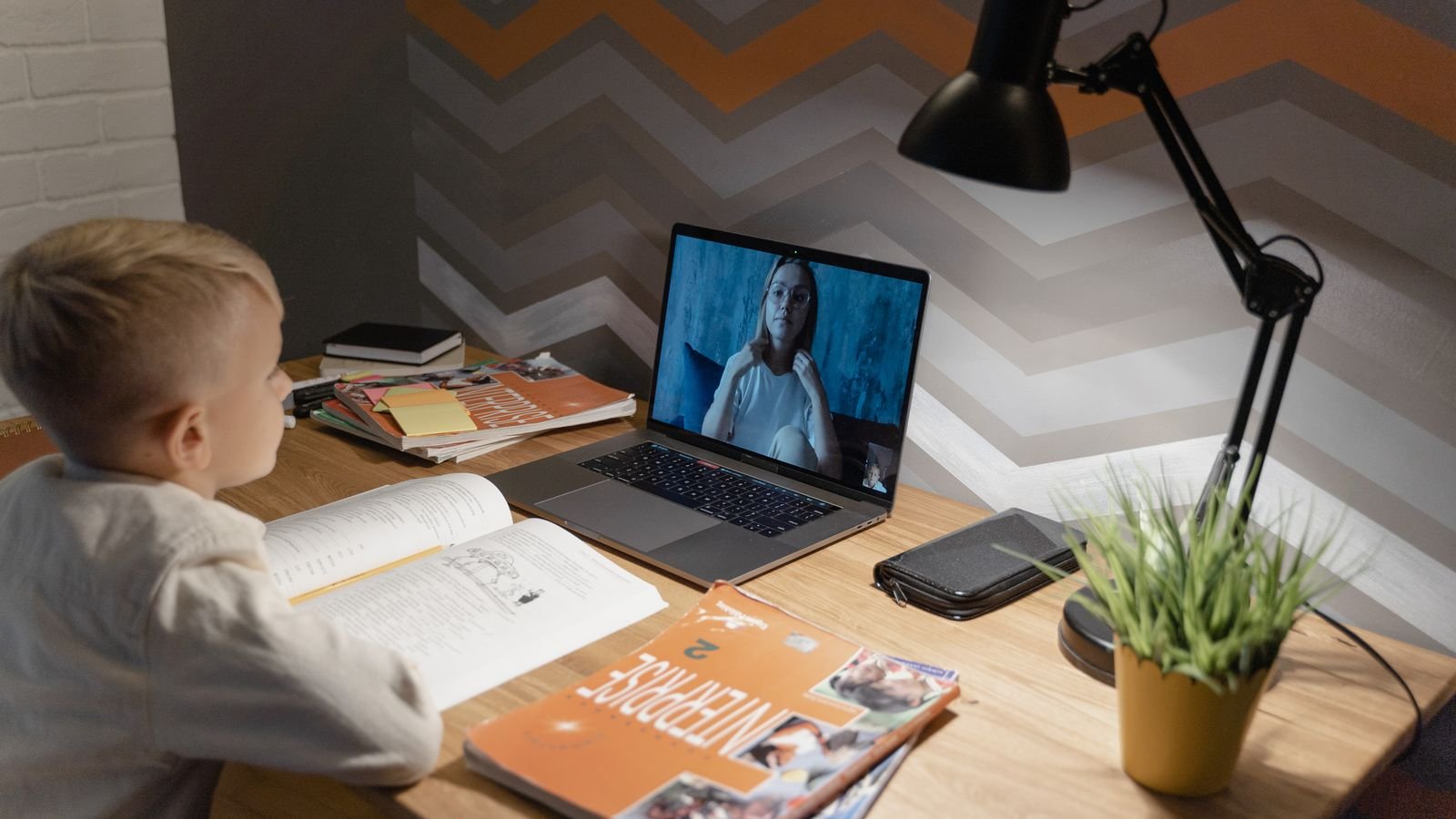
The best chess coach for your child is one who can explain ideas at your child’s level, keeps every lesson structured, and makes your child want to come back next week. A high rating helps, but it is not the deciding factor. Teaching skill, patience and safety matter more, especially for children aged 4 to 15.
If you have started looking, you have probably seen coaches advertising ratings, titles and tournament wins. It is hard to know what any of it means for a seven year old who has just learned how the knight moves. This guide explains what to look for, which questions to ask, and the warning signs that tell you to keep searching.
A good chess coach for a child is someone who can turn a complicated game into small, clear steps, and who makes your child feel capable at every step. Chess knowledge is the starting point, not the finish line.
In practice, the best children’s coaches share a few traits. They ask more than they tell, so your child does the thinking. They plan each lesson instead of improvising. They notice mood and adjust when a child is tired or frustrated. And they talk to parents about progress in plain language.
A grandmaster who lectures for 45 minutes can be a worse fit for a beginner than a patient coach rated 1800 who knows exactly how children learn. Keep that in mind as you compare profiles.
A chess coach needs to be clearly stronger than your child, but beyond that point the coach’s rating says little about how well they teach. Being good at chess and being good at teaching chess are two separate skills.
For a beginner aged 5 to 10, a coach with solid club strength and real teaching experience is usually ideal. As your child improves and starts playing tournaments, a stronger coach becomes more useful, because they can spot deeper mistakes in opening choices and long plans.
A useful rule: the coach should be comfortably able to explain why a move is good, not just play it. If your child asks “why?” three times in a row and still gets a clear answer, you have found someone who teaches rather than performs.
Chess coaching trivia to share at dinner
FIDE, the world chess federation, awards five official trainer titles, from Developmental Instructor up to FIDE Senior Trainer.
Magnus Carlsen worked with grandmaster Simen Agdestein as a young player. Even prodigies learn faster with a guide.
Abhimanyu Mishra set the record for the youngest grandmaster in 2021, aged just 12. Years of coached practice came first.
Mathematician Claude Shannon estimated roughly 10 to the power of 120 possible chess games. A coach helps children find the patterns that matter.
“Checkmate” comes from the Persian phrase “shah mat”, usually translated as “the king is helpless”.
Viswanathan Anand became India’s first grandmaster in 1988 and later a five time world champion.
FIDE trainer titles tell you the level of player a coach is officially recognised to train. According to the FIDE regulations for trainer titles, there are five, listed here from entry level upwards.
A title is a helpful signal, but many excellent children’s coaches have no FIDE title at all. Treat it as one piece of evidence alongside experience, reviews and, most importantly, how your child responds in a real lesson.
A good chess lesson for a child has a clear shape: a short warm up, one new idea, guided practice, and a small task for the week. If you cannot see that shape, the lesson is probably being improvised.
For a 45 to 60 minute class, a strong structure often looks like this. Five minutes of puzzles to warm up. Ten to fifteen minutes on one concept, such as forks or checkmate with two rooks. Then the child practises that idea in positions and short games while the coach asks questions. The lesson ends with a quick recap and two or three puzzles for homework.
Listen for the ratio of talking. In a great lesson your child is speaking, guessing and moving pieces for much of the time. If the coach talks and your child only nods, little is sticking.
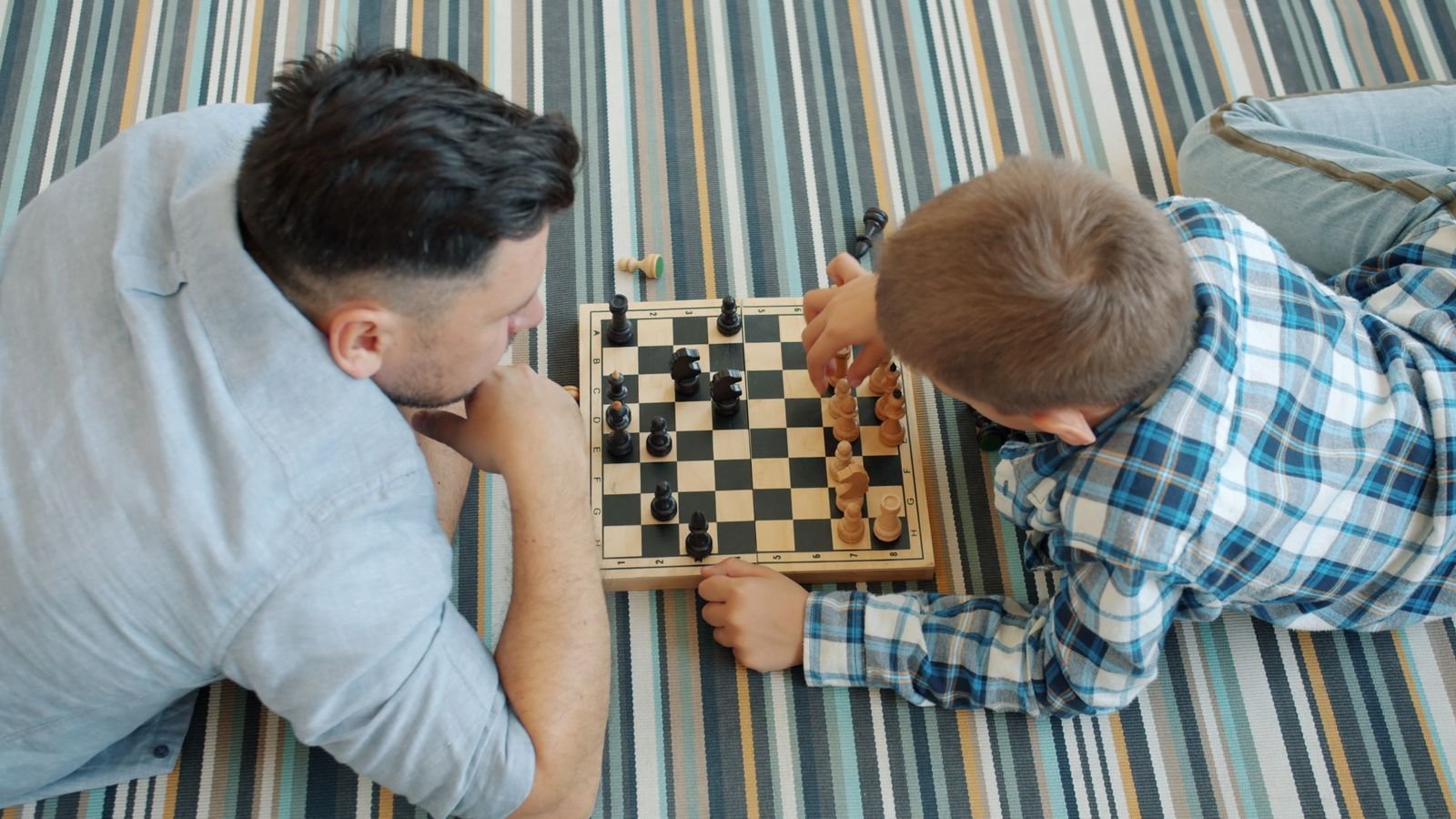
The right chess coach adapts to your child’s age, attention span and temperament, because a five year old and a twelve year old need completely different lessons.
Look for warmth, stories and movement. Good coaches turn pieces into characters, keep tasks very short, and celebrate small wins like a first checkmate.
This is the golden age for patterns. Choose a coach who uses lots of puzzles, plays short games with your child, and slowly introduces planning.
Older children enjoy being treated as thinkers. A good coach will analyse their own games with them, introduce openings sensibly and help them prepare for tournaments if they want to compete.
Personality matters too. A shy child often blossoms with a calm, encouraging coach. A competitive child may need someone who channels that energy into careful thinking rather than fast, careless moves.
For most children, 1 on 1 online chess coaching gives the fastest, most personal progress, because every minute is spent on your child’s own mistakes and questions.
Group classes are sociable and cheaper per hour, but the coach has to teach to the middle of the room. Quick learners get bored and quieter children can hide. In a 1 on 1 class there is nowhere to hide, in a good way.
Online coaching also removes travel time and lets families in Singapore, Dubai or Australia work with coaches in any time zone. The coach and child usually share a digital board, so every move is visible and easy to replay later.
The essential safety checks are simple: know who the coach is, keep lessons in a visible shared space, and make sure all communication goes through you.
The children’s charity NSPCC suggests parents ask for references and background checks, agree boundaries early, and keep online lessons in a shared space with an adult nearby. You can read their full guidance on choosing a tutor.
A trustworthy chess academy will happily explain how coaches are screened, how class links are shared, and who you can contact with a concern. If those questions make anyone uncomfortable, that tells you something.
The biggest red flags are lessons with no plan, a coach who plays instead of teaches, and no feedback to parents. Any one of these slows progress. All three together waste months.
In a free trial class, ask questions that reveal how the coach thinks about your child, not just about chess. The answers tell you more than any profile page.
Then ask your child one question after the class ends: “Do you want to do that again?” A happy, curious yes is worth more than any title.
Simple things you can try at home this week
Watch the first ten minutes. Sit nearby for the start of a trial lesson. Notice whether the coach greets your child by name, checks what they know, and asks questions before teaching.
Count the questions. In a good lesson your child answers lots of “what would you do here?” questions. Make a rough tally. More questions usually means more learning.
Ask for a short report. After the trial, request two or three lines on strengths and next steps. A coach who can write this clearly can usually teach clearly too.
Try one puzzle together. Ask your child to show you one idea from class on a real board. If they can explain it, the lesson landed.
Set up a calm chess corner. A desk, a real board beside the laptop, and the door open. It helps focus and keeps online lessons safe.
Give it four weeks. One lesson tells you about chemistry. Four lessons tell you about progress. Review together after a month.
A classic trap every good coach teaches early. Read it aloud with your child.
The game starts 1. e4 e5 2. Bc4 Nc6 3. Qh5. White’s queen and bishop are both aiming at the pawn on f7, next to Black’s king. It is Black’s move. Which would you play?
Tap a question to reveal the answer
The right chess coach will make your child better at chess, but the real win is bigger: a child who enjoys thinking hard, handles losing calmly and is proud of their own progress. Look for a teacher first and a strong player second, check the safety basics, and let a trial class do the deciding.
If you would like to see what a structured, personal chess lesson feels like, a MasterMindz coach can meet your child for a free trial class, assess their level and suggest a plan. No cost and no commitment.
MasterMindz offers live, personal 1 on 1 online classes for children in chess, maths, coding and more, and has taught 750+ students across 11+ countries. Every child gets their own coach, a lesson plan built around them, and class times that fit your family’s time zone.