October 13, 2026
Chess makes kids better students mainly through the habits it trains: pausing before acting, checking for problems, planning ahead, reviewing mistakes and staying focused to the end. Those...


How much practice actually moves the needle, and why quality beats the clock.
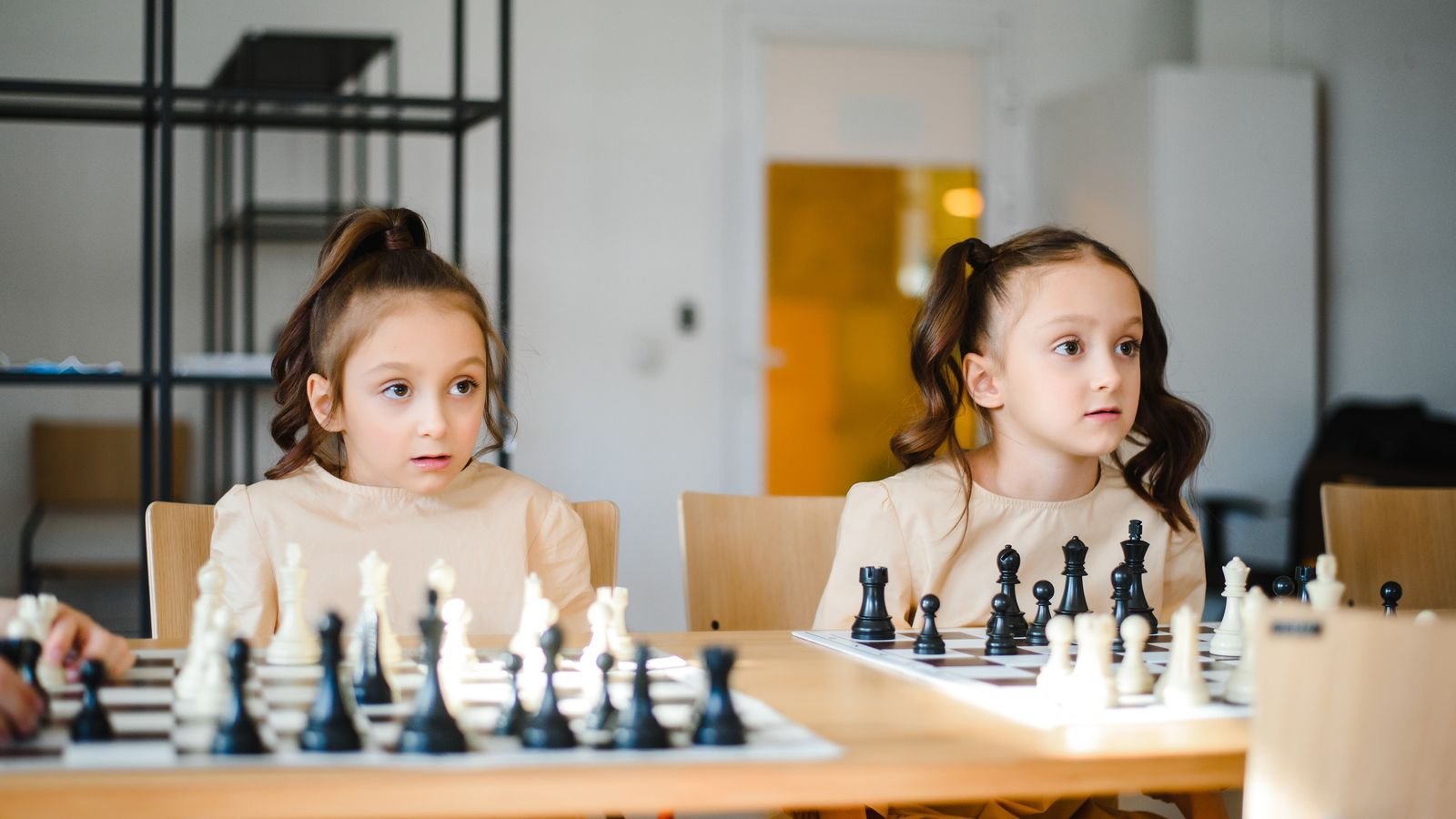
Parents ask this question constantly: is 30 minutes a day enough for my child’s chess? The honest answer is that the number of minutes matters far less than what happens inside them. Thirty focused minutes spent reviewing one lost game with a tutor will build more skill than two distracted hours of random online games.
That said, parents still need a practical starting point, and vague answers like “just practise regularly” are not much help at 7pm on a school night. This guide gives a realistic, age-adjusted range, explains what the research on skill-building actually says, and lays out the warning signs that a child is practising too little or, just as often, too much.
The better first question is not how long, but how focused. A child who spends 15 minutes actively solving tactics puzzles, fully engaged, will improve faster than a child who sits with a board for 45 minutes while half-watching a video on the side. Time is the easiest thing for a parent to measure, which is exactly why it gets so much attention, but it is a weak stand-in for what is actually happening in a child’s head during that time.
Deliberate practice, meaning focused, effortful practice aimed at a specific weakness rather than casual repetition, is the strongest known driver of skill growth in chess, according to research on deliberate practice in chess expertise. Players who spent their practice time actively studying and correcting mistakes progressed faster than those who simply played more games without reflection. For a young beginner, this translates into a simple idea: reviewing why a move was wrong matters more than playing five more games without ever finding out.
Six things worth knowing before you set a practice schedule
Focused, corrective practice builds more skill per minute than casual, repetitive play.
For young beginners, attention span, not ambition, is usually the real ceiling on a useful session length.
Short daily practice tends to build habits and skill more reliably than one long session saved for the weekend.
For beginners, tactics puzzles pack in more decision-making reps per minute than a slow full game.
Pushing a young beginner too hard, too soon can quietly kill their interest before real skill has a chance to build.
Even a modest 15 to 20 minutes a day adds up to real, visible progress over a school term.
As a starting point, most beginners do well with 15 to 20 minutes a day between ages 5 and 7, 20 to 30 minutes between ages 8 and 10, and 30 to 45 minutes from age 11 upward, always adjusted to how the individual child is responding. These ranges are a guide, not a rule. A 6 year old who is genuinely absorbed can happily go longer on a given day, and a 10 year old who is tired after a long school day may only manage 10 focused minutes, which is still worthwhile. The goal is a session that ends while the child is still interested, not one that runs until they are checked out.
Too little practice usually looks like forgetting basic rules or piece values between sessions, a sign that gaps between practice are long enough for early learning to fade. Too much practice tends to show up as sighing before sessions, rushing through moves just to finish, or a sudden drop in enthusiasm for something they used to ask for. Both patterns are fixable. The fix for too little is a more consistent, shorter routine, and the fix for too much is simply shortening sessions and rebuilding the association between chess and fun before adding time back.
For most beginners, practice time is best split between short tactics puzzles and the occasional full game, rather than full games every single session. Puzzles isolate one decision at a time, which means a child gets far more reps of “spot the best move” per minute than a full game allows. Full games matter too, since they build patience and an understanding of how a plan unfolds over many moves, but for a young beginner with limited daily time, puzzles usually deliver faster visible improvement.
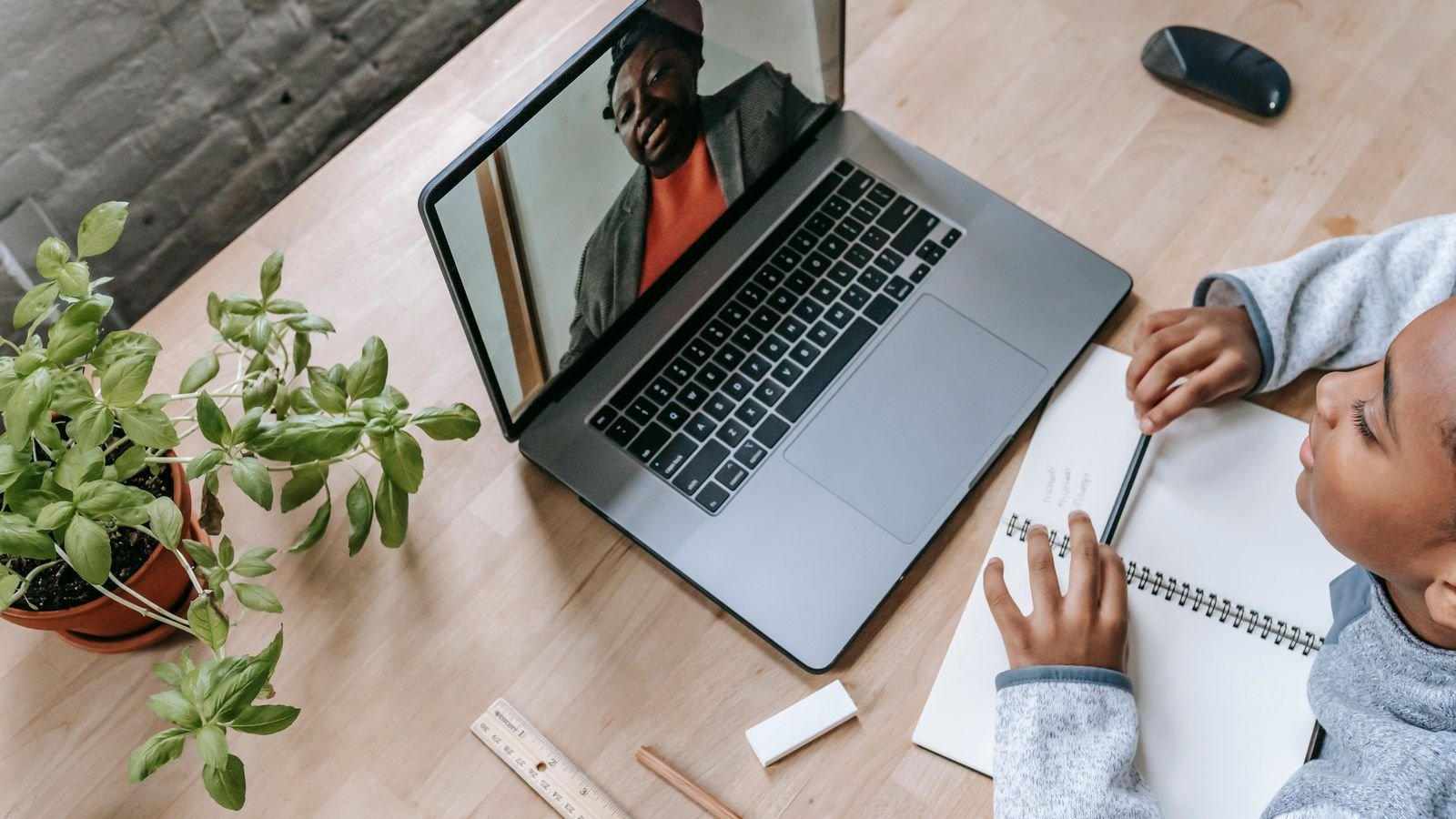
A mix works best: independent puzzle practice on the days in between, and a regular 1 on 1 session with a tutor to review mistakes and correct habits before they become fixed patterns. Left entirely alone, a beginner will often repeat the same error for weeks without realising it, simply because there is no one there to point it out. A tutor’s real value is not adding more hours, it is making the hours a child already has far more effective.
A short break of a few days rarely undoes real progress, so parents should not panic over a missed session here or there during a busy week. What matters more is the pattern over a month: occasional gaps inside an otherwise consistent routine are completely normal, while weeks-long gaps tend to mean early skills need to be re-taught from the start, which is more frustrating for a child than simply keeping sessions short but steady.
Simple things you can try at home this week
Pick a consistent time slot. “Whenever we get to it” quietly turns into “most days we don’t.”
Start with puzzles, not full games. Young beginners get more useful reps per minute from short tactics problems.
Keep a simple streak calendar. A visible chain of ticked-off days is motivating without adding pressure.
Remove distractions during the session. A screen with no notifications beats a screen with five tabs open.
Review one lost game together. Understanding a single mistake deeply beats playing five rushed games.
Stop while they’re still interested. Ending a session a little early keeps tomorrow’s session easier to start.
Try a free trial class. A tutor can gauge your child’s real attention span and suggest a realistic starting routine.
White to move. Can you find the winning idea?
White has a rook on e1, and Black’s king is stuck on e8 with no escape squares. White also has a queen on h5. What is White’s fastest way to win here?
Tap a question to reveal the answer
Thirty minutes is a perfectly reasonable target for many beginners, but the number itself was never really the point. What predicts real progress is a short, focused, consistent routine, ideally paired with a tutor who can catch mistakes before they become habits. A live 1 on 1 online chess class is a simple way to build that routine with expert guidance behind it. A free trial class is a good way to see how your child’s attention and enthusiasm respond, at no cost.
More for curious parents
MasterMindz teaches children worldwide through live, personal 1 on 1 online classes in chess, maths, coding and more, with experienced tutors and a fun, individual approach.