September 10, 2026
You can prepare a child properly for the PSLE without wrecking the year. The families who come through it well are almost never the ones who studied the most hours.


What to say, what to stop saying, and why pushing harder rarely works.
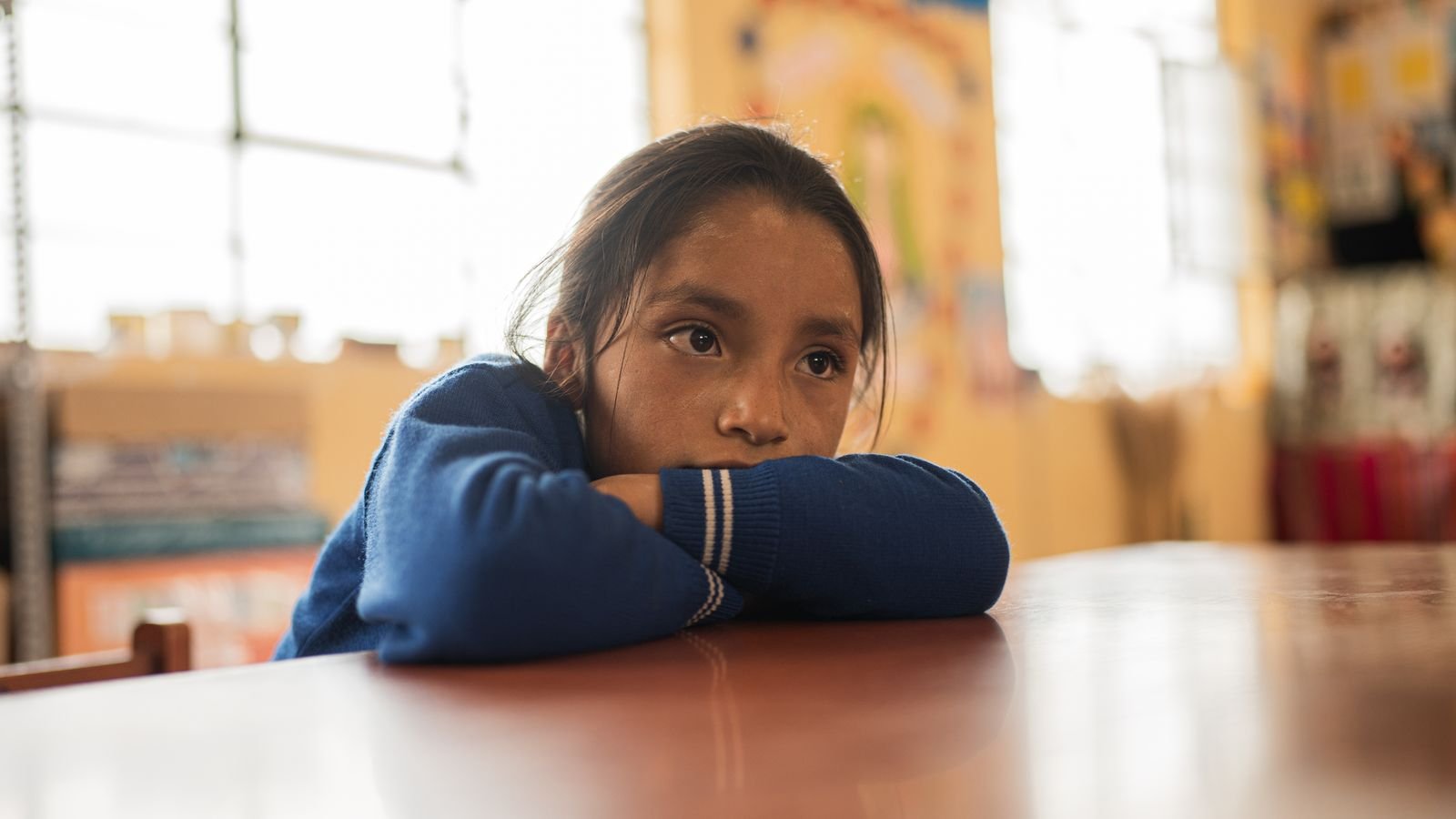
Your child knows the answer. You have heard them say it at home, confidently, twice. Then the teacher asks the class, their hand stays down, and afterwards they tell you they did not feel like it. If that scene is familiar, you are not raising a child who lacks ability. You are raising a child for whom being watched costs something.
The good news is that quiet children are not broken versions of loud ones, and the research on what helps is fairly consistent. It is also, at first, slightly counterintuitive, because the most loving instinct a parent has is usually the one that makes things harder.
Shyness is a temperament, while anxiety is a reaction, and the practical difference is whether your child is missing out on things they want. A shy child may take twenty minutes to warm up to a new group and then enjoy themselves completely. An anxious child wants to join, wants to answer, wants to go to the party, and cannot, because the worry gets there first. The NHS guidance on anxiety in children makes a similar distinction: worry is normal and common, and it becomes something to act on when it starts stopping a child from doing ordinary things.
Most children sit somewhere between the two, and the label matters less than you might think. Whether your child is naturally reserved or genuinely worried, the same approach helps: warmth, small steps, honesty about what is coming, and no rescuing. What you should not do is try to fix the temperament. A quiet, observant child who thinks before speaking is not a problem to solve. The aim is a child who can do what they want to do, not a child who has been converted into an extrovert.
In almost every case it is the audience, not the subject. Ask a quiet child what the worst part of class is and you rarely hear “the maths”. You hear about being called on, reading aloud, walking in late while everyone looks up, group work where you have to choose a partner, or getting an answer wrong in front of people who will remember. The academic content is often the part they are most comfortable with.
This matters because parents frequently treat the symptom. A child who freezes when called on gets extra tuition in the subject, which does nothing, because the child already knew the answer. What actually helps is reducing the size of the audience, increasing the amount of warning, and giving the child a way to participate that does not involve being on stage. The Child Mind Institute’s guidance on socially anxious children makes the same point about identifying the specific difficulty rather than treating shyness as one big thing.
The habit that most reliably keeps a child’s anxiety alive is the one that looks like good parenting: stepping in. Ordering for them at the restaurant, answering the shopkeeper on their behalf, emailing the teacher to ask that your child never be called on, skipping the birthday party because they seemed unsure. Psychologists call these accommodations, and each one delivers a quiet message: that was indeed too dangerous for you, and you were right to avoid it.
This is not a reason to feel guilty, because almost every parent does it, and it works beautifully in the short term. The child calms down immediately, which is exactly why the habit sticks. The NIH funded research on parent led approaches to child anxiety found that teaching parents to change these responses helped, in some cases comparably to working directly with the child. Your responses are one of the strongest levers you have.
Six things that surprise most parents of quiet children
Anxiety is a protective response, not a defect. It is useful, and it becomes a problem only when the alarm goes off in safe situations.
Research funded by the US National Institutes of Health found that training parents to respond differently reduced children’s anxiety levels.
Repeated reassurance often feeds worry rather than settling it, because it teaches the child to seek the reassurance rather than test the fear.
For most anxious children the anticipation is harder than the event, which is why long warning periods make things worse, not better.
Practising a situation at home, out loud, and knowing exactly what to expect reduces how frightening it feels when it happens.
Many reserved children are perfectly content observing before joining. Watching from the edge for ten minutes is a strategy, not a symptom.
Aim for short, specific, and confident, and keep the run up brief. Long conversations about how it will be fine give a worried child more time to imagine it going badly. Three sentences are usually enough: what will happen, what they can do if it feels hard, and that you believe they can manage it. For example: “Today you will say your name and then the coach will ask you one question. If you need a second, you can say I am thinking. I know you can do this.”
Avoid two things. First, promises you cannot keep, such as “nobody will look at you”. Second, transferring your own nerves by checking in repeatedly. Children read a parent’s face far faster than their words, so a calm, slightly matter of fact tone does more work than any script. Positive but realistic beats enthusiastic. “You might feel a bit nervous at the start and it will settle” is truer, and more useful, than “you will love it”.
Stop asking “were you nervous?” A leading question tells a child which feeling they were supposed to have, and hands them the label. Ask open questions instead: “what did you do today?”, “what was the best bit?”, “was there anything annoying?” Then leave silence. Quiet children often need eight or ten seconds to start talking, and most adults fill the gap in three.
When they do describe something hard, resist solving it immediately. Acknowledge it plainly, without dramatising: “that sounds uncomfortable, and you stayed anyway”. Praise the doing, not the feeling. “You asked your question even though it felt hard” is far more powerful than “you were so brave”, because it names an action your child can repeat next week.
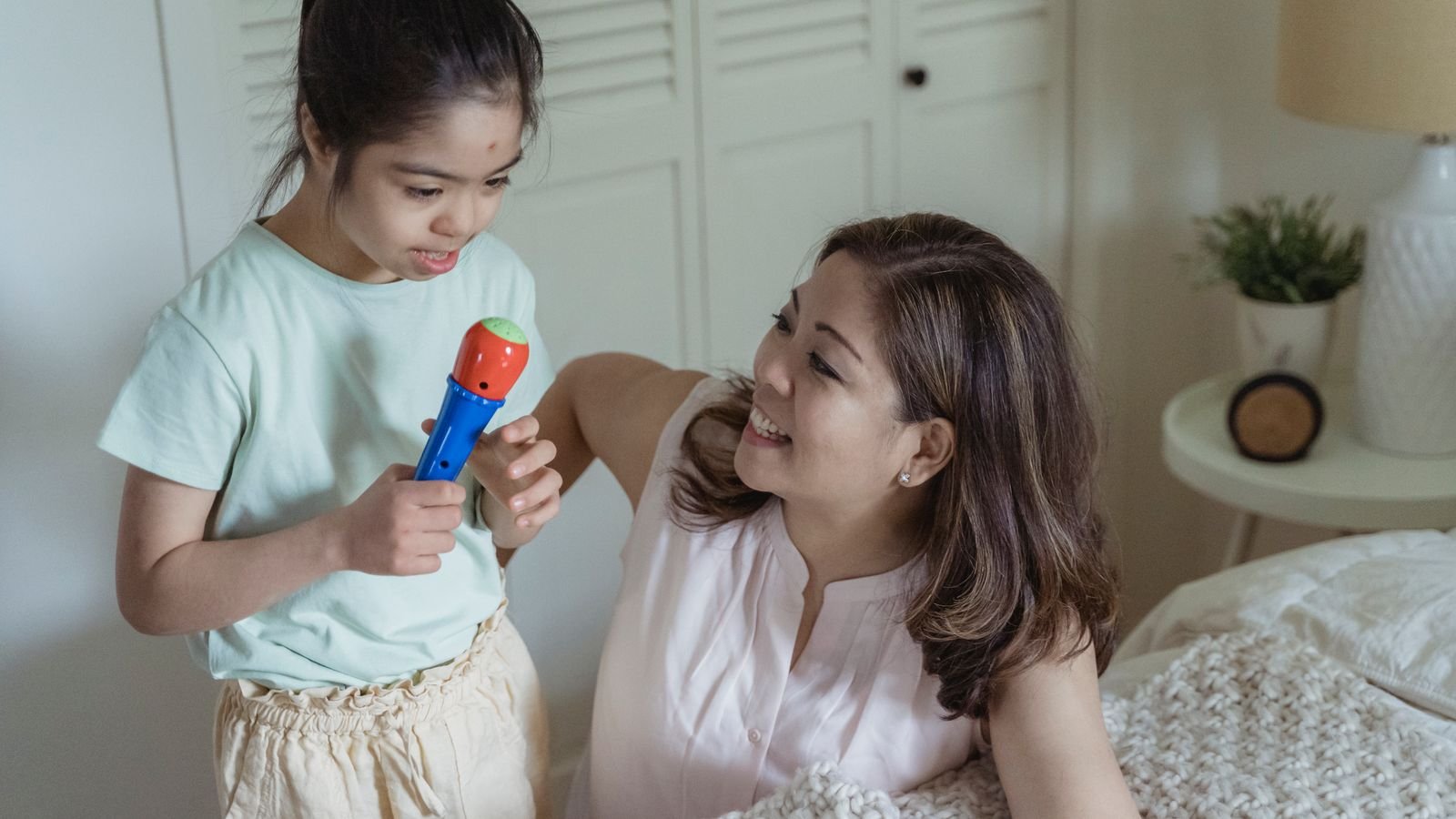
Seven things you can try at home this week
Shorten the warning window. Tell your child about the class an hour before, not three days before. Anticipation is usually the hardest part.
Rehearse the first sixty seconds. Practise walking in, saying hello, and giving their name. The opening is what most children dread.
Give them an exit script. One sentence they can always use, such as “can you say that again?” A child with a line prepared feels far less trapped.
Stop speaking for them. Let them order their own food, ask the librarian, pay at the counter. Wait through the silence, even when it is uncomfortable.
Praise the action, not the outcome. “You put your hand up” counts, whether or not they were picked and whether or not the answer was right.
Share your own nerves once. A short, real story about something that made you nervous as a child normalises it. Keep it brief and do not make it a lesson.
Protect the recovery time. Many quiet children need twenty silent minutes after a social day. That is not sulking, it is refuelling.
Build a set of steps between where your child is now and the thing they are avoiding, and climb one rung at a time. If the goal is answering a question in front of the class, the ladder might run: answer a question at home in front of a sibling, then answer one on a video call with a grandparent, then whisper an answer to the teacher after class, then answer a question in a 1 on 1 lesson, then answer once in a small group, then in the full class.
Two rules make this work. Your child helps build the ladder, because a step chosen for them is a step imposed on them. And you repeat each rung until it is genuinely boring before moving up. Boredom is the sign that the fear has faded, and it is the whole mechanism. Expect steps backwards after holidays, illness, or a change of teacher. That is normal and does not undo the progress.
Tell the teacher what helps rather than asking them to leave your child alone. A request to never call on your child protects them from the moment and locks in the avoidance. A better message is specific and workable: “She knows the material and freezes when called on cold. If you tell her in advance which question is coming, she will answer it.”
Other requests worth making: a warning before any reading aloud, a seat near a familiar face, a set partner rather than choosing one, and a quiet way to signal that they are stuck. Ask for a short note after the first few sessions on how your child seemed, because quiet children are easy to overlook precisely because they cause no trouble. Good teachers welcome this, since a child who never speaks is genuinely hard to read.
A 1 on 1 class removes the audience, which is usually the exact thing a quiet child is afraid of. There is no hand to raise, no risk of thirty faces turning around, and no penalty for a wrong answer. Children who have not spoken in a group all term often talk freely within two or three individual sessions, and the confidence tends to travel: once a child has heard themselves explain something out loud to an adult, doing it in a group becomes a smaller step rather than a first one.
The pace helps too. A tutor working with one child can wait through the long silence that a class of thirty cannot afford, and that waiting is often all a slow processing, careful child needs. At MasterMindz, every class is live and 1 on 1, taught from home at a time that suits your family, which also removes the walking into a room full of people part of the problem. If you want to see how your child responds without committing to anything, the first trial class is free.
A situation most parents recognise. What would you do?
Your seven year old is due at a new class in ten minutes. She says her stomach hurts and asks to skip it, just this once. She is not ill. You have two options in front of you.
Tap a question to reveal the answer
Speak to a professional when the worry is regularly stopping your child from doing everyday things, or when it is showing up in sleep, appetite, friendships or physical complaints that have no medical cause. A child who is quiet in class but sleeps well, has a friend, and enjoys the weekend is usually a child who needs time and small steps. A child who is refusing school, waking at night, or losing interest in things they used to love needs more than a parenting article, and your GP or the school’s support coordinator is the right first call.
Asking early is not an overreaction. The support available for childhood anxiety is practical, short term for many families, and works better the sooner it starts. Nothing in this article replaces advice from a doctor or a mental health professional who knows your child.
More for curious parents
MasterMindz teaches children worldwide through live, personal 1 on 1 online classes in chess, maths, coding and more, with experienced tutors and a fun, individual approach. MasterMindz has taught 750+ students across 11+ countries.