November 4, 2026
The best Christmas gifts for kids who love learning are the ones that ask something of them: a move to plan, a pattern to crack, a tower to build or a tune to figure out.


Most families cannot ban screens, and they do not need to. Here is how to raise screen-smart kids instead.
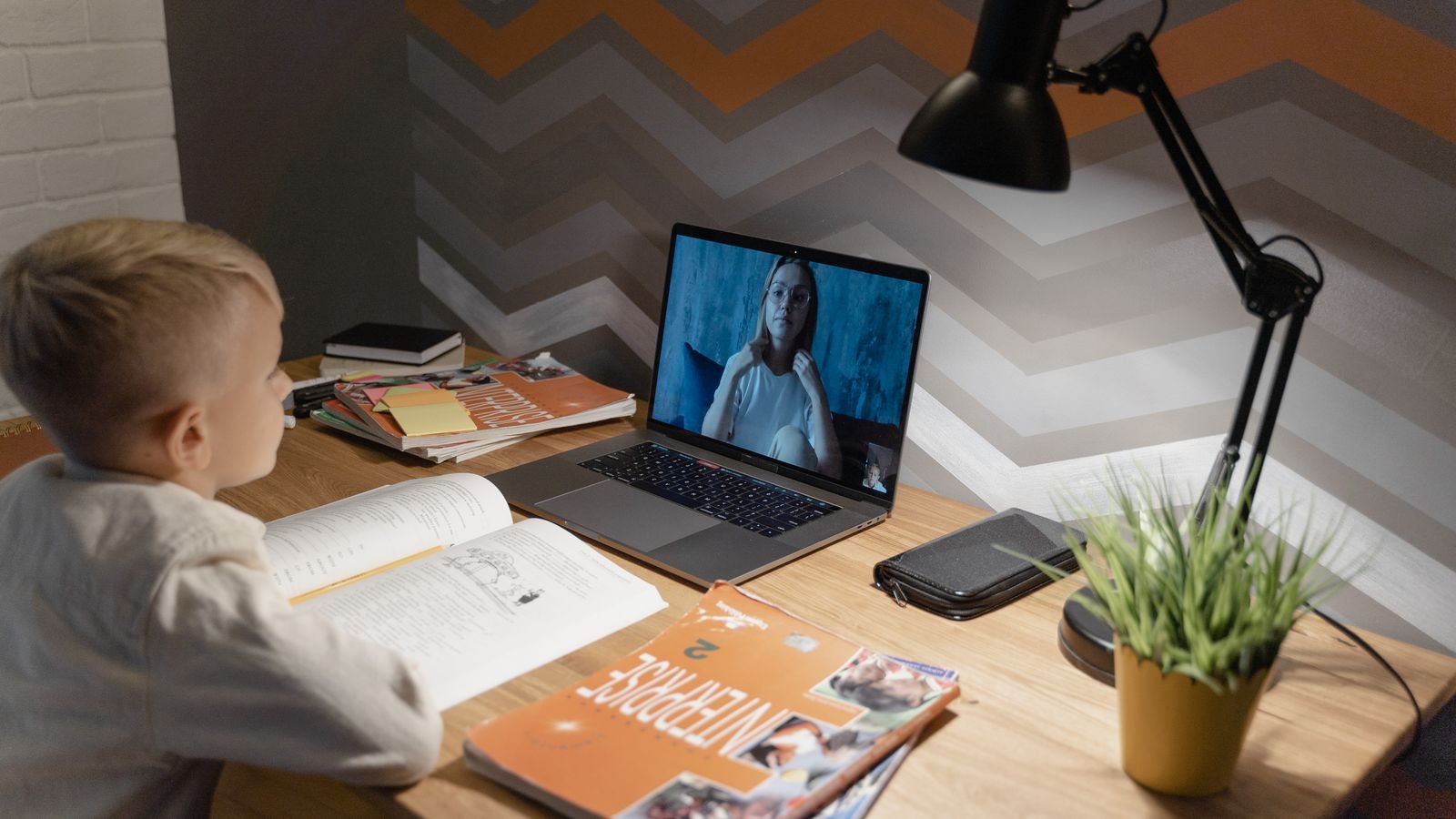
Screen-smart kids are not children who never touch a tablet. They know the difference between screens that switch their brain on and screens that switch it off, and their home is set up so the good kind wins most days.
In 2026, the “screen-free childhood” idea went mainstream. Yet for a busy dual-income family in Singapore, juggling school, tuition and enrichment, going fully screen-free feels impossible. It is also unnecessary. Here is how to be screen-smart instead, and why chess sits on the right side of the line.
Being screen-smart means choosing screen time on purpose, keeping it in balance with offline life, and favouring screens that ask your child to think. The phrase got a big boost from Pinterest’s 2026 Parenting Trend Report, which described parents raising screen-smart kids who seek real-world adventure. More than half of the parents Pinterest surveyed said they would support a cap on children’s screen time. The message is not that screens are evil, but that screens should earn their place.
For most families, a completely screen-free childhood is not realistic, and the research-based guidance does not ask for one. School portals, video calls with grandparents overseas and online classes are part of normal childhood now.
What health bodies ask for is limits and quality. Singapore’s Ministry of Health guidance on screen use, updated in January 2025 under Grow Well SG, advises against screen use for babies under 18 months, under one hour a day for ages 18 months to 6, and under two hours a day for ages 7 to 12 outside of schoolwork. The goal is a healthy diet of screens, not starvation.
Active screen time asks your child to think, make decisions, create or talk with a real person, while passive screen time simply feeds them content. Quick test: when the screen goes off, can your child say what they figured out?
A live lesson with a coach, coding a small game, a video call with family, or solving a chess puzzle.
Autoplay videos, endless short clips, reward-driven games and background TV at meals. Fine in small doses, a problem as the default.
Live chess is good screen time because every move makes your child slow down, predict what happens next and live with the result. There is no autoplay in chess. Nothing happens until your child thinks.
A real coach adds what an app cannot: questions like “why that move?” and encouragement after a loss. Research is still growing. A small study of primary school children in Romania found that focused attention scores improved after six months of weekly chess sessions. It had no control group, so treat it as a promising sign, not proof.
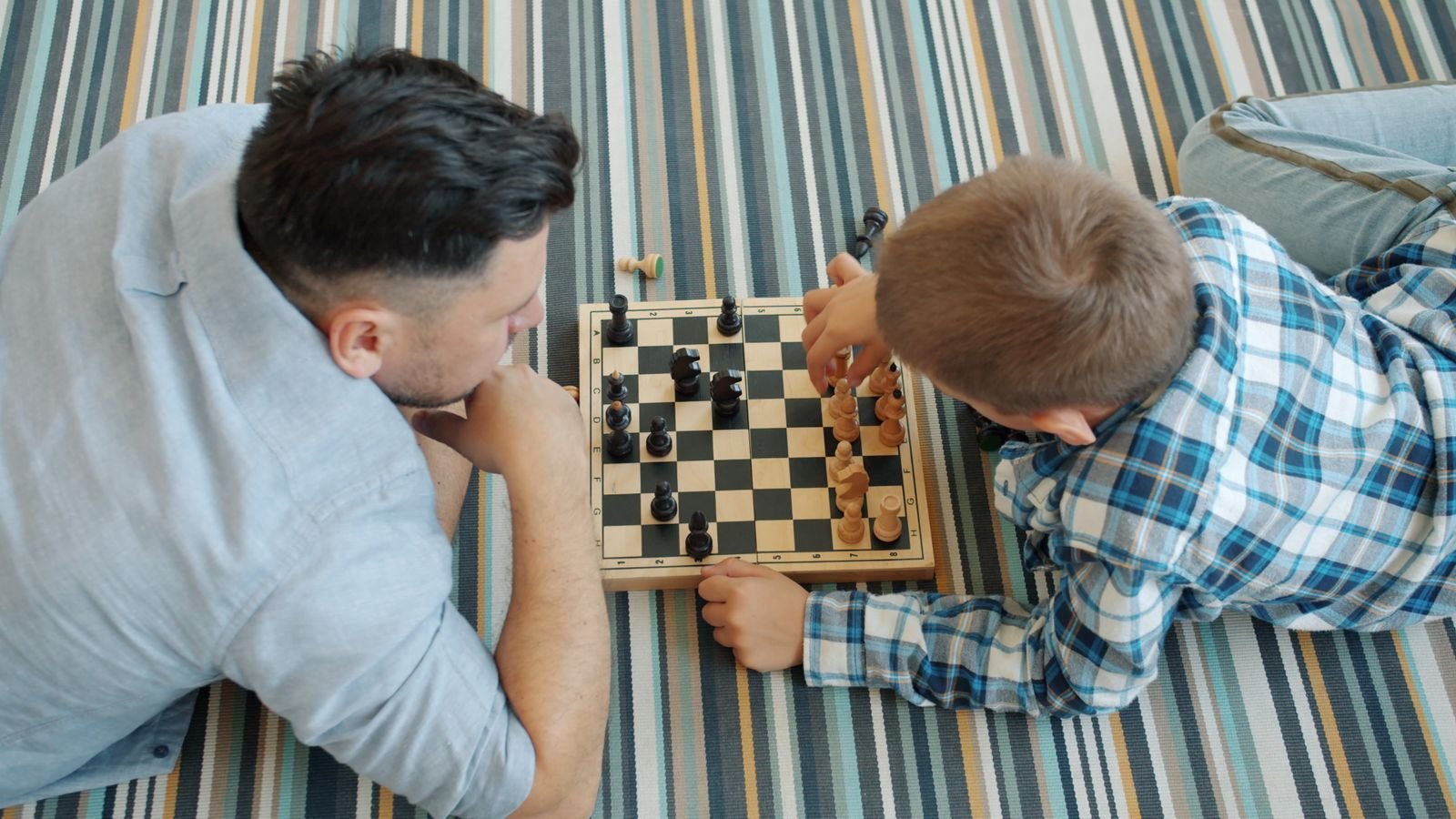
The best part is that chess does not need to stay on a screen. The lesson happens online, then the board comes out on the kitchen table.
Fun facts to share with your screen-smart kid
There are more possible chess games than atoms in the observable universe.
In early chess the queen moved just one square diagonally. She became the strongest piece about 500 years ago.
Pinterest reported that searches for “no phone summer” rose by more than 300% in its 2026 parenting report.
The word comes from the Persian “shah mat”, usually translated as “the king is helpless”.
People once played chess by mail. Some games took years.
Singapore’s two-hour guide for ages 7 to 12 is for screen time outside schoolwork.
Screen-smart habits change with age: younger children need short, adult-guided sessions, older children need rules they help create.
For 5 and 6 year olds, Singapore’s guidance is under one hour a day outside school, rising to under two hours from age 7. Keep sessions short, sit nearby, and after a chess lesson replay one idea on the real board together.
This is the sweet spot for routines. Children can handle a structured class on their own and practise independently. Let them help decide which screens are “worth it”.
Pre-teens push back on rules they did not help make. The American Academy of Pediatrics recommends a personal family media plan, media-free times such as dinner, and keeping devices out of bedrooms.
Simple screen-smart swaps you can try this week
Ask the switch-off question. When a screen goes off, ask “what did you figure out?” It quickly shows which screens are active.
Keep a real board out. Leave a chess set on the coffee table. Visible boards get played; boxed ones do not.
Turn off autoplay. Switch it off on every video app your child uses. It removes the easiest path to mindless watching.
Create a charging station. All devices sleep outside bedrooms, including yours.
Swap the waiting-room phone. Carry a travel chess set for queues and car rides.
A good screen-smart family rulebook fits on one page and covers when, where and what kind of screens your family uses. Stick it on the fridge:
1. Thinking screens first. Classes, homework and creative projects come before entertainment.
2. No screens at meals. Dinner is for talking.
3. Devices sleep outside bedrooms. Everyone charges in the living room.
4. One screen, one off-screen. After a screen activity, do something with your hands or body.
5. Parents follow the rules too.
For Singapore families with a heavy tuition load, add one more rule: protect at least one unhurried, screen-off block each weekend.
The easiest way to replace scrolling is to attach one chess puzzle to an existing moment, such as after-school snack time.
Start with one puzzle a day, solved on a real board or printed sheet. Mark the streak on a calendar. Many children soon ask for puzzles on their own.
The biggest red flags are meltdowns when screens end, screens replacing sleep or play, and content designed to keep children hooked rather than help them learn. Watch for these signs:
Hard stops cause tears or anger almost every time. Sleep is slipping. Your child cannot describe what they did on the screen. The app rewards time spent with coins, streaks or loot rather than learning. If you spot two or more, reset the rulebook together.
A good online class is live, interactive and personal: your child should be talking, thinking and getting feedback for most of the session, not watching a video. Ask:
Is there a real coach who knows your child’s level? Does your child speak and make decisions, or just listen? Is it 1 on 1, so your child cannot hide? Is there a clear plan for practice away from the screen? Can you try a free trial first? Mostly yes means good screens.
Read aloud with your child, guess, then tap
Is each of these screen moments active (the brain is working) or passive (the brain is resting)?
Tap a question to reveal the answer
You do not need to throw out the tablet to raise screen-smart kids. Start with one swap this week: one autoplay session replaced by a chess puzzle, or one evening of scrolling replaced by a game on a real board. Small, steady changes turn screens from a worry into a tool.
More for curious parents
MasterMindz offers live 1 on 1 online classes for children and has taught 750+ students across 11+ countries. Chess is our flagship, alongside maths, coding, Rubik’s cube, music and languages.