October 13, 2026
Chess makes kids better students mainly through the habits it trains: pausing before acting, checking for problems, planning ahead, reviewing mistakes and staying focused to the end. Those...


Class timings for every state, the junior tournament pathway, and how to pick a coach your child will look forward to seeing.
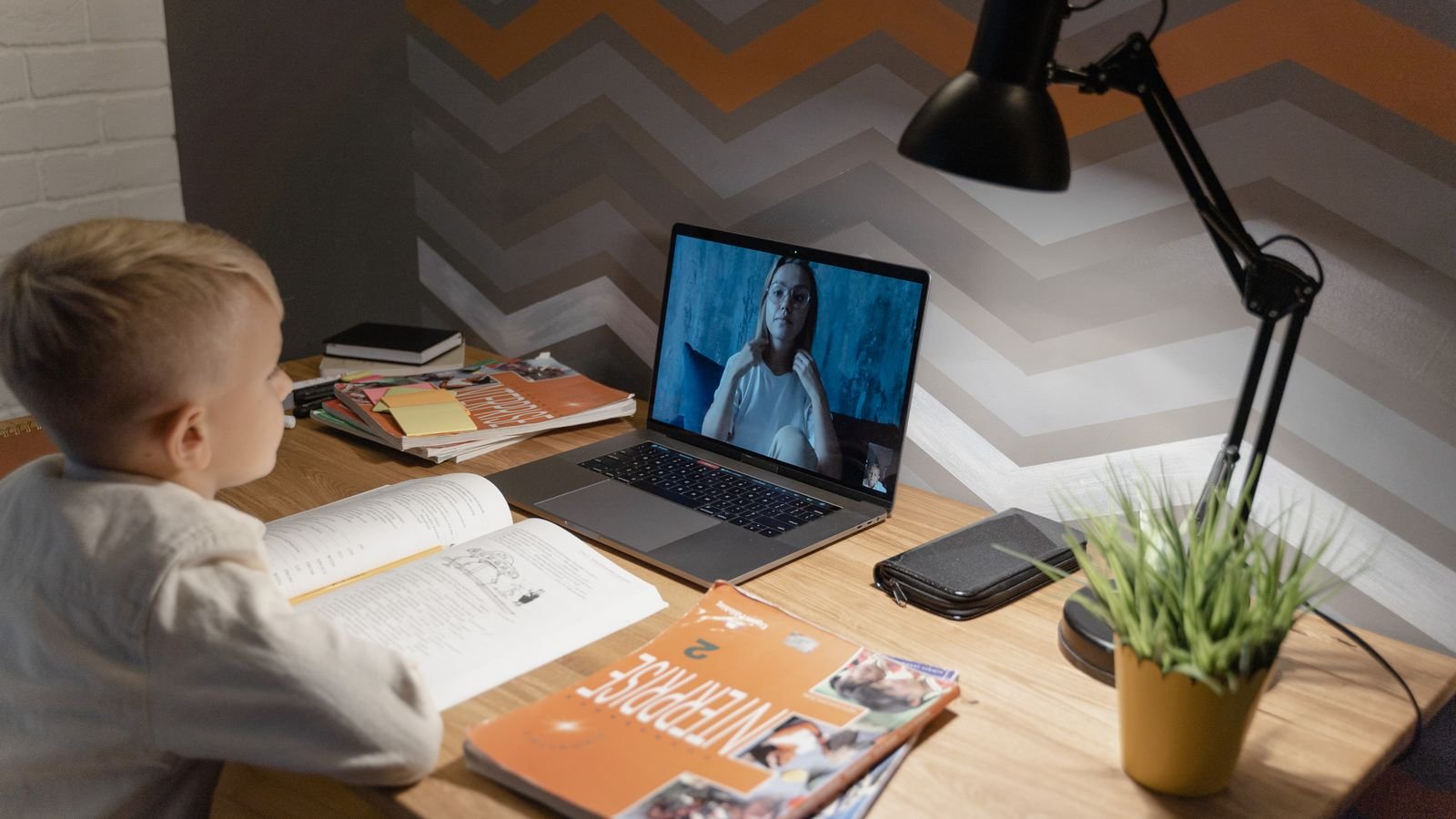
If you live in Australia and wonder whether your child can learn chess properly online, the short answer is yes. Live online chess classes give Australian kids access to experienced coaches without the after school drive, and a good 1 on 1 lesson is often more focused than a busy club night.
This guide is for parents in Sydney, Melbourne, Brisbane, Perth, Adelaide, Hobart, Darwin, Canberra and everywhere in between. It covers how class timings work across our time zones, what a quality lesson looks like, the junior tournament pathway, and the questions worth asking before you book anything.
Online chess classes are a strong option for most Australian children aged 5 to 15, because chess is played on a shared digital board where the coach sees every move your child makes. Unlike a sport that needs a field and a team, chess translates almost perfectly to a video call.
For families outside the capital cities, the difference is even bigger. A child in regional Queensland or country Victoria may have no junior chess club within an hour’s drive. Online, they can learn from the same calibre of coach as a child living next to the CBD. Busy families in the suburbs also win back the travel time, which often matters as much as the lesson itself.
The main thing to check is the format. A live 1 on 1 class, where a real coach teaches only your child, is very different from a pre recorded video course or a crowded group call where a shy child can stay silent for the whole hour.
Online chess classes can fit after school in every Australian state, provided the coaching team plans around your local time rather than their own. Australia has three main time zones, and some states move their clocks forward for daylight saving from the first Sunday in October to the first Sunday in April.
Here is how that plays out. Many strong online chess coaches teach from Asia, where the clock sits behind Australia. A 4:30pm winter class in Sydney is 12 noon in India, and a 5pm class in Perth is 2:30pm there. That means an after school slot for your child is a fresh, comfortable daytime hour for the coach, not a late night. Weekend mornings work well too.
The one trap is the clock change in October and April. Ask any provider to confirm class times in your local Australian time, and to double check them in the week daylight saving starts or ends, so nobody logs in an hour early or an hour late.
A good online chess lesson for kids mixes one new idea, guided practice and a real game, all pitched at your child’s level in that moment. For a beginner, that might mean learning how the knight moves, playing a few mini games with only knights and pawns, then finishing with a friendly game against the coach.
As children improve, lessons move on to tactics such as forks and pins, basic checkmate patterns, opening principles and simple endgames. The coach should explain why a move works instead of just showing the answer. Many coaches also review a game your child played during the week, which turns mistakes into the most useful lessons of all.
Watch how the coach handles a loss. A great coach turns a lost game into curiosity, asking something like “what changed on move 12?”, so your child leaves the lesson feeling capable rather than defeated.
Chess facts to share at the dinner table
Australia’s list of national junior chess champions goes all the way back to 1949.
The Australian Junior Chess Championships are held in January, during the summer holidays, in a different city each year.
The 2027 championships are set for Hobart, the first time the event has been in Tasmania since 2010.
Mathematicians estimate there are more possible chess games than atoms in the observable universe.
In 2024, 18 year old Gukesh Dommaraju became the youngest undisputed world chess champion in history.
In medieval chess the queen could only move one square diagonally. Today she is the most powerful piece on the board.
Most children are ready to start chess lessons between the ages of 5 and 7, once they can sit for a short activity and follow simple rules. Some four year olds enjoy chess stories and piece games, while beginners aged 10 or 12 often progress very quickly because they can already think a few moves ahead.
There is no such thing as too late. A child who starts at 11 can still enjoy school competitions and local rated events within a year or two of steady practice. What matters more than age is enjoyment. A child who looks forward to lessons keeps playing long enough for the real benefits, like focus, patience and planning, to show up at school and at home.
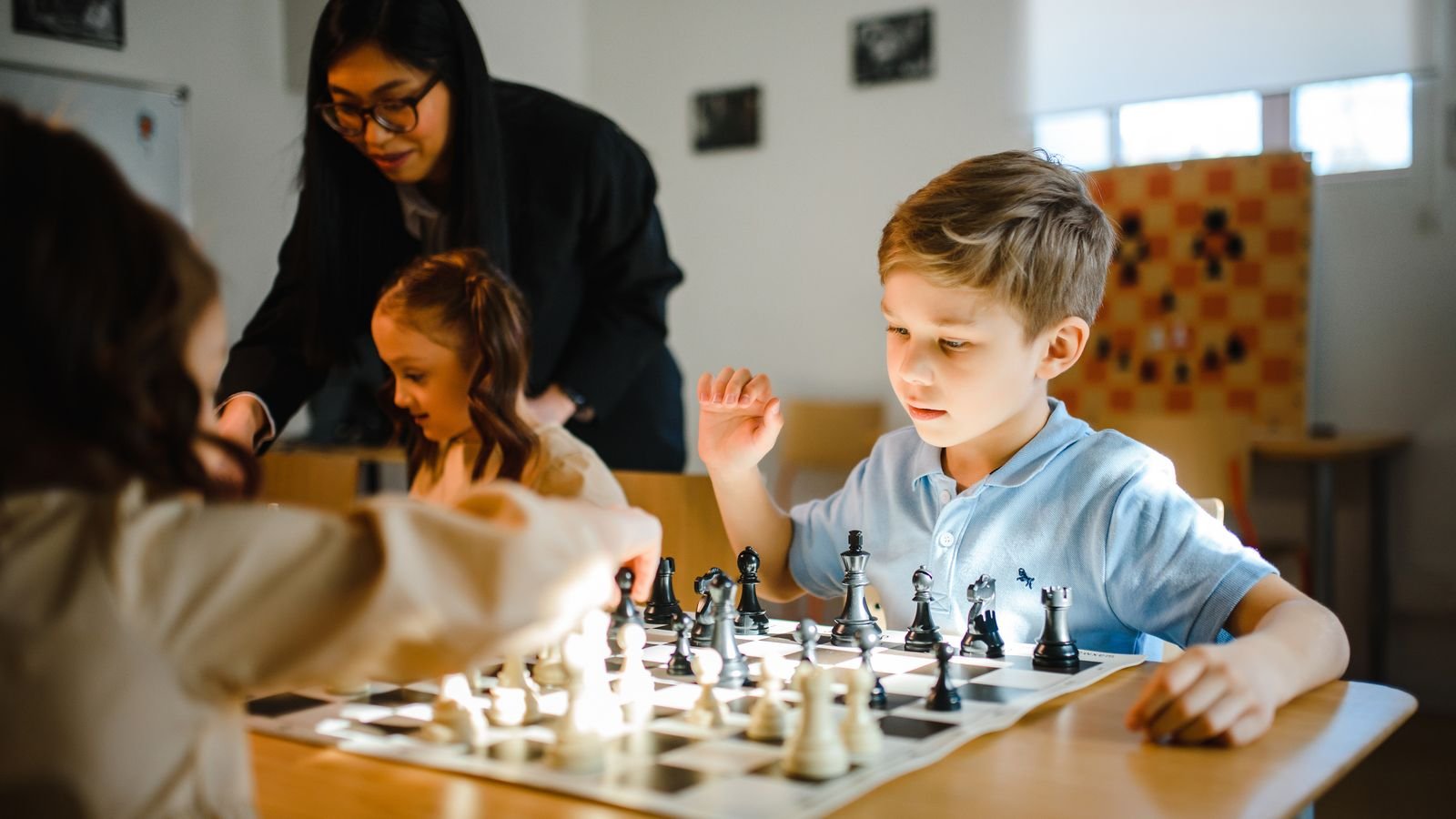
In Australia, most young players move from school or club chess to local junior events and then, if they love competing, to state and national championships. Many primary and secondary schools take part in interschool chess days, which are a friendly first taste of tournament play with teams, medals and plenty of snacks.
Keen juniors can then enter rated events, where results start building a rating that tracks their progress over time. At the top of the junior calendar sits the Australian Junior Chess Championships, a week long event each January for players under 18, with age group titles and a separate girls’ championship. The Australian Chess Federation keeps a list of national junior champions stretching back to 1949, and the 2027 championships in Hobart are already open for bookings.
Online lessons fit neatly into this pathway. A coach can prepare your child for a first tournament, from writing down moves and using a chess clock to handling nerves after a bad game, then review the games together afterwards.
For many Australian families the best answer is both: a weekly online 1 on 1 lesson for structured learning, plus a club or school chess group for social games. Clubs are wonderful for meeting other kids and getting used to playing over a real board. Their limit is attention, because one coach may be watching fifteen children at once.
A 1 on 1 online lesson flips that. Every minute is about your child’s thinking, gaps are spotted early, and the pace speeds up or slows down on the spot. Shy children often speak up far more when they are not performing in front of a room. If you can only choose one, choose the format your child will happily stick with for a full year, because consistency beats almost everything else in chess.
Choose a coach who plays well, has real experience teaching children, and can explain ideas simply, then confirm the fit with a trial lesson. Playing strength matters, but a patient teacher with a solid rating usually beats a brilliant player who cannot slow down for an eight year old.
Questions worth asking before you book:
Online chess is one of the healthier ways a child can use a screen, as long as the setup is safe and the time has a clear purpose. For younger children, lessons should happen in a shared space such as the lounge room or kitchen table, with a parent nearby for at least the first few classes.
Between lessons, use child friendly practice platforms with chat switched off or limited, and remind your child never to share personal details with people they meet online. Balance screen practice with a real board at home too. It is good for their eyes, and it turns chess into a family game rather than a solo screen habit.
Easy chess habits for Australian families to try this week
Put a real board on the table. Leave a chessboard set up in a shared space so quick games with siblings or grandparents happen naturally.
Try the 10 minute puzzle habit. Three short puzzles after school build pattern recognition faster than one long weekend session.
Save games for the coach. Ask your child to keep one win and one loss from the week to review together in class.
Watch a junior event first. Check your state chess association’s calendar and go along to watch a local junior tournament before entering one.
Mark daylight saving in the family calendar. Set reminders for the first Sunday in October and April so class times never catch you out.
Praise the plan, not the result. Notice a clever idea or a brave attack, even in a game your child lost.
White to move and checkmate in one
White: King on g1, Rook on a1, pawns on f2, g2 and h2.
Black: King on g8, pawns on f7, g7 and h7, and a Knight on c4.
Can your child find the one move that ends the game?
Tap a question to reveal the answer
The best way to know whether online chess suits your child is to watch one lesson. Notice whether they smile, ask questions and want to play again straight afterwards. If they do, you have found something that can build focus, patience and confidence for years. Book a free trial, bring your questions, and let your child’s curiosity lead the way.
More for curious parents
MasterMindz teaches children worldwide through live, personal 1 on 1 online classes in chess, maths, coding and more, with experienced tutors and a fun, individual approach. MasterMindz offers live 1 on 1 online classes for children and has taught 750+ students across 11+ countries, including families in Australia.