October 13, 2026
Chess makes kids better students mainly through the habits it trains: pausing before acting, checking for problems, planning ahead, reviewing mistakes and staying focused to the end. Those...


An honest, parent friendly look at the evidence, the real benefits, the limits, and how to make chess work for a busy brain.
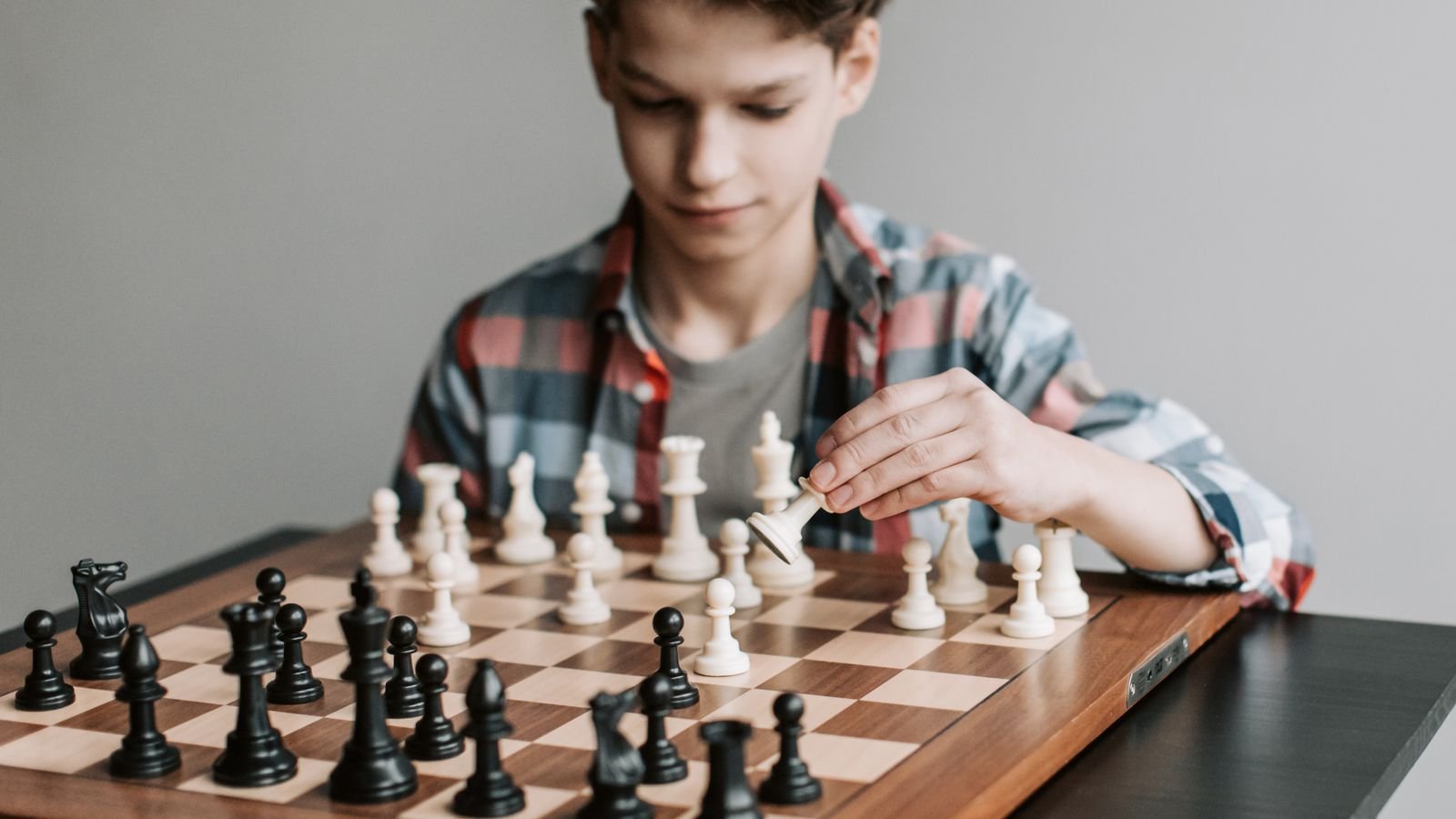
Chess cannot cure or treat ADHD, but for many children with ADHD it can be a fun, structured way to practise stopping, thinking and planning. The research so far is promising yet early, so the honest answer is this: chess may help, especially alongside the support your child’s doctor recommends.
If your child has ADHD, or attention is simply their biggest challenge, you have probably seen claims that chess “fixes focus”. This guide separates what studies actually show from wishful thinking, explains why chess can suit busy brains, and shares practical ways to make lessons work. It is general information for parents, not medical advice.
Research on chess for kids with ADHD is encouraging but still small and early, so it deserves a careful read. The best known study is a 2016 pilot study from a mental health centre in Madrid, which followed 44 children and teenagers aged 6 to 17 with ADHD through 11 weeks of chess training. Rating scales showed significant improvements in both inattention and hyperactivity, and nearly half of the parents reported that their child’s ADHD severity had dropped by around 30%.
The researchers were very clear about the limits. There was no control group, no randomisation and a small sample, so they called for larger and better designed studies before anyone draws firm conclusions. They also noticed that children with higher IQ scores seemed to benefit the most.
A more recent pilot study from Germany tested chess with adolescents who had a range of mental health conditions. It did not find significant changes in sustained attention or inhibitory control, but it did report a positive effect on psychological wellbeing and possibly on working memory. Put together, the evidence says chess is well worth trying as an enriching activity, but it should not be relied on as a treatment.
Chess can suit children with ADHD because it gives fast feedback, is highly visual and is packed with small puzzles, which makes it far easier to engage with than a long worksheet. Every single move creates a brand new situation, so there is always something fresh to figure out.
Many children with ADHD can focus intensely on things they find genuinely interesting. When chess clicks, that same energy pours into a board with clear rules, a clear goal and an opponent to outsmart. The challenge is keeping it interesting enough, and that is exactly where the right coach and the right format make the difference.
The most valuable habit chess can teach a child with ADHD is pausing to check before acting. In chess, one rushed move can lose a game instantly, so children see the cost of impulsivity in a way that feels fair, not like being told off by an adult.
Coaches often teach a simple routine before every move: what did my opponent just do, what are they threatening, and is my piece safe where I am putting it? Tournament chess even has a touch move rule, which means if you touch one of your pieces you must move it. That gives kids a real reason to keep their hands still until they have decided. Whether this stop, look, think habit fully carries over to homework and daily life is not proven, but practising it hundreds of times in a game they enjoy is a very good start.
Chess ideas for busy brains to try at home this week
Start with mini games. Pawn wars, where each side has only pawns, or knights only games are short, fast and brilliant for building interest.
Make a “3 checks” card. Write Checks, Captures, Threats on a card beside the board as a visual reminder to pause before moving.
Set a timer for puzzles. Five focused minutes with a visible timer feels achievable and ends before attention fades.
Sit on your hands. Make it a funny family rule that everyone sits on their hands until they have chosen a move.
Celebrate the pause. Praise your child whenever they stop to check, even if the move they choose turns out to be wrong.
Keep reviews for later. After a tough loss, take a break first. Calm down now, learn the lesson later.
Chess can also be frustrating for children with ADHD, especially long games, waiting for an opponent to move, and losing to one careless mistake. Expecting a seven year old with ADHD to sit through a 90 minute tournament game in their first month is a recipe for tears on both sides of the board.
Common sticking points include boredom during the opponent’s turn, big emotional reactions to losing, and skipping the checking step when excited. None of these are reasons to give up. They are reasons to adjust the format: shorter games, puzzles instead of full games on tired days, and a coach who sees a meltdown as a teaching moment rather than bad behaviour.
Chess and focus facts for curious families
The 2016 Madrid pilot study followed 44 children and teens with ADHD through 11 weeks of chess training.
In tournament chess, if you touch one of your own pieces you must move it. A built in reason to think first.
Scholar’s Mate can end a game in just four moves, which makes it a classic lesson in checking threats.
Fool’s Mate is the quickest checkmate possible, delivered on Black’s second move.
Chess can be played slowly over hours or as fast blitz games of a few minutes, so the pace can match your child’s energy.
For children under 6 with ADHD, experts recommend parent training in behaviour management before trying medication.
1 on 1 chess lessons often work better for children with ADHD because the coach can match the pace to your child’s attention minute by minute. In a group class, a child who has drifted off can lose twenty minutes unnoticed, or get restless, distract others and end up being told off.
In a live 1 on 1 class, the coach sees the moment attention dips and switches activity: a quick puzzle, a mini game, or a silly “find the fork” challenge. Wins can be celebrated straight away, and mistakes are reviewed privately without an audience watching. Online lessons add one more advantage, because your child learns in a familiar, calm space at home that often has fewer distractions than a busy classroom or club hall.
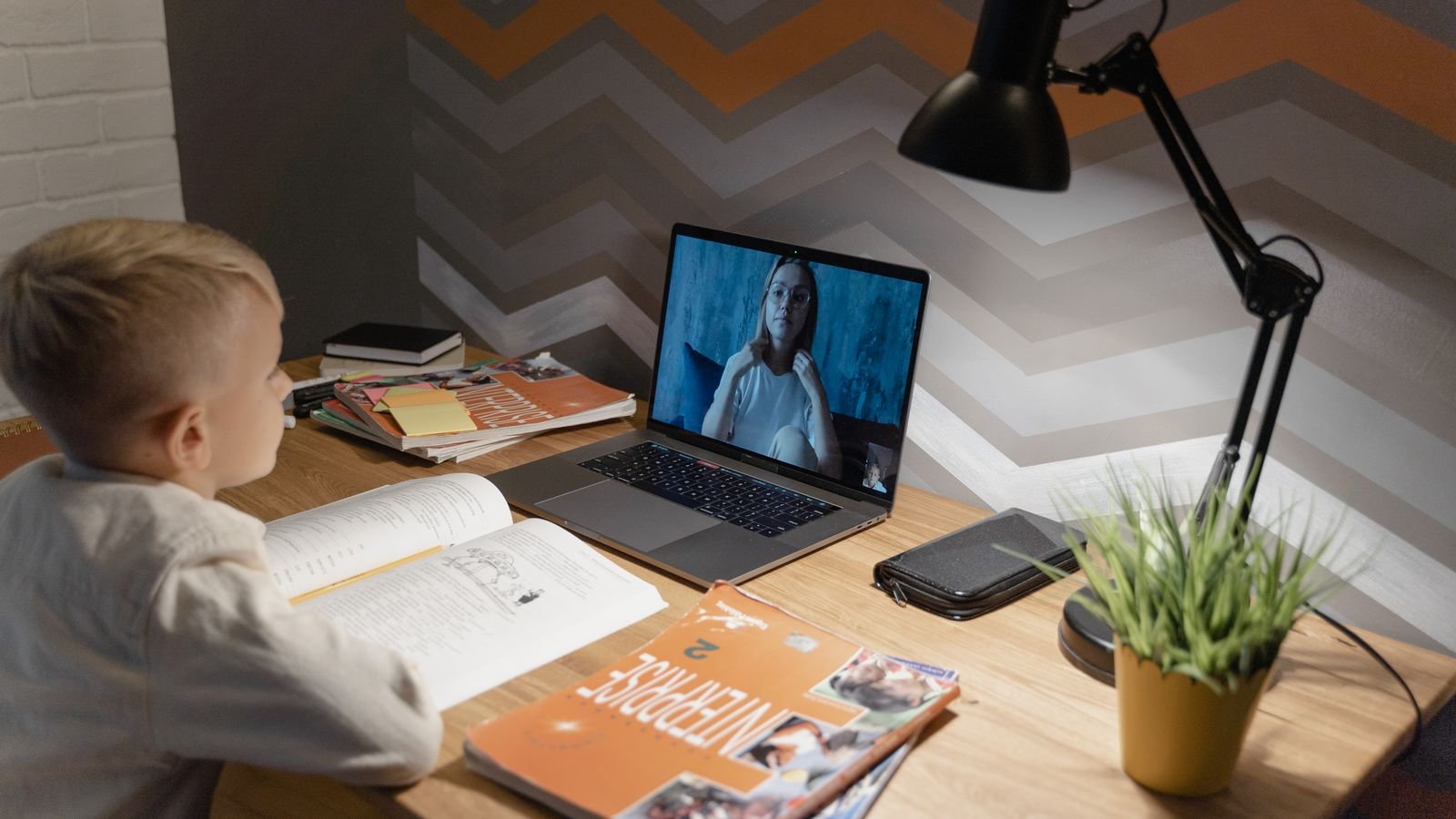
Online chess lessons work best for children with ADHD when the setup removes distractions and the lesson is built around variety and movement. A few small changes make a surprisingly big difference.
Chess should sit alongside the support your child’s doctor or psychologist recommends, never replace it. According to the US Centers for Disease Control and Prevention, behaviour therapy delivered through parent training is the recommended first treatment for children with ADHD under 6, and for older children the best treatment is often a combination of behaviour therapy and medication.
Chess fits comfortably within that picture as a positive, confidence building activity. If you are comfortable doing so, tell your child’s coach about their ADHD so the lessons can be planned around it. And if you notice real changes in focus or frustration at home, share them with your child’s care team as well.
Chess is probably helping if your child looks forward to lessons, stays with a puzzle a little longer than before, and bounces back faster after losing. These small shifts matter far more than rating points or trophies.
Other good signs include saying “wait, let me check” before moving, explaining their plan out loud, asking to play at home, or reacting to a loss with a sigh instead of a storm. Jot down a quick note every few weeks. Progress with attention is easy to miss day to day, but very clear when you look back over a term.
A classic lesson in checking threats before you move
A game begins 1. e4 e5 2. Bc4 Nc6 3. Qh5. Black now plays 3… Nf6, attacking the white queen. It looks sensible, but it is a big mistake. What can White play?
Tap a question to reveal the answer
Chess will not change who your child is, and it should never be sold as a cure. What it can offer is a fun, fair game where stopping to think gets rewarded again and again. For many children with ADHD, that is a genuinely good thing to practise. Try a lesson, watch how your child responds, and let their enjoyment guide your next step.
This article is general information for parents and is not medical advice. Please speak with your child’s doctor about ADHD diagnosis and treatment.
More for curious parents
MasterMindz teaches children worldwide through live, personal 1 on 1 online classes in chess, maths, coding and more, with experienced tutors and a fun, individual approach. MasterMindz offers live 1 on 1 online classes for children and has taught 750+ students across 11+ countries.