September 28, 2026
A parent scrolling through enrichment options can end up with three tabs open: chess, coding, and the Rubik's Cube. All three are backed by real evidence.


What actually changes when your child is the only student in the room.
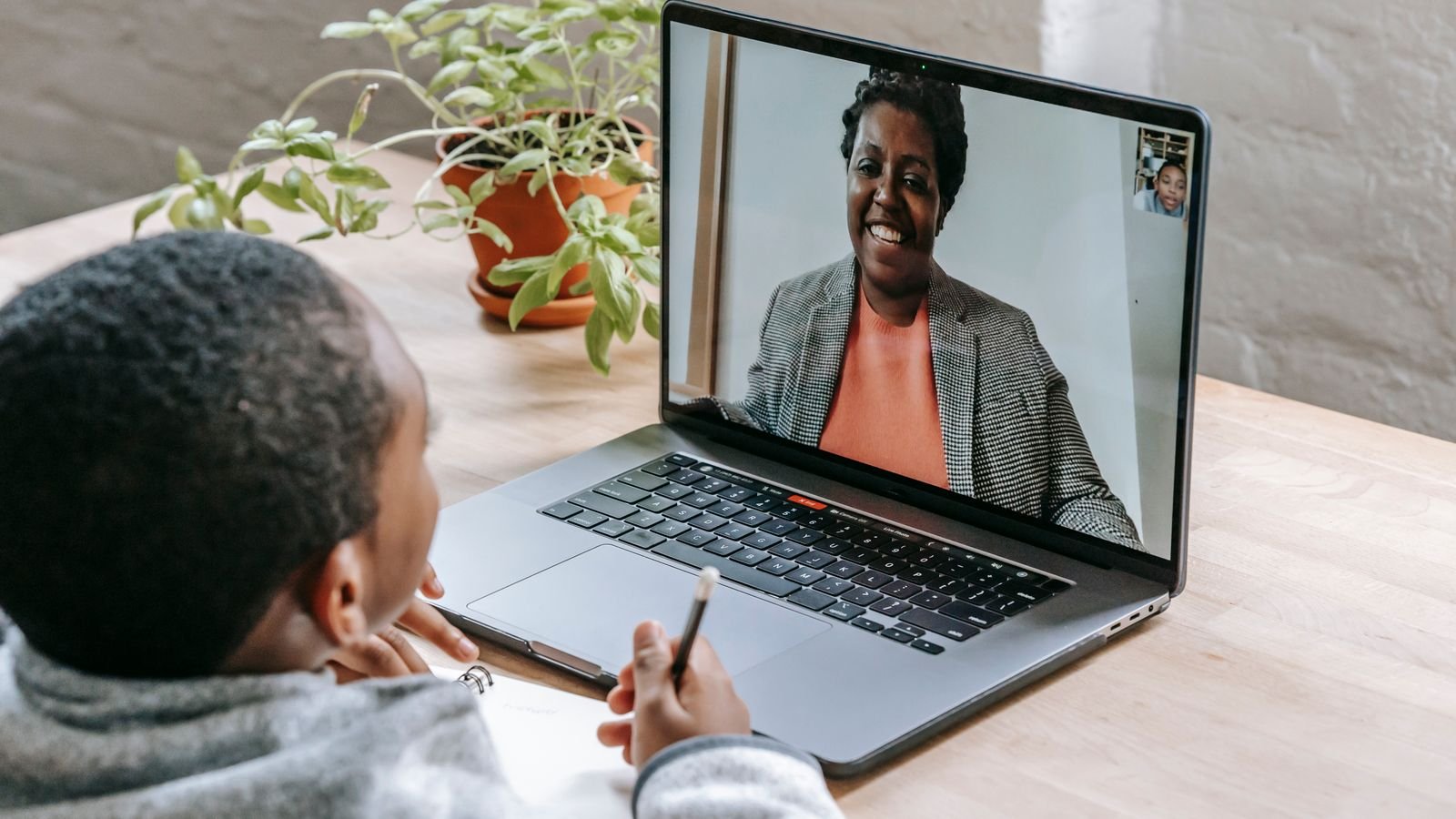
Every parent who has ever sat outside a class has had the same quiet thought. Is my child actually learning in there, or just present? It is a fair question. A child can attend a group class for a year, enjoy it, make friends, and still not have moved forward much. The difference usually is not the subject and it is not the teacher. It is how much of that teacher your child actually got.
This guide compares 1 on 1 classes and group classes honestly. Not every child needs one to one teaching, and group classes do things a private class simply cannot. But if you are choosing where to put your money and your child’s weekday evening, it helps to know exactly what each format buys you.
Yes, on average, and the evidence behind that is unusually strong. The Education Endowment Foundation reviewed 123 studies and found that one to one tuition adds around five months of additional progress in a school year. A separate pooled analysis of 96 randomised controlled trials, published through the National Bureau of Economic Research, found an average effect of 0.37 standard deviations from tutoring, with one to one formats coming out ahead of larger groups.
Two honest caveats belong here. The same research shows small groups of two or three can sometimes match one to one, and the size of the benefit depends heavily on the tutor and on how often the child attends. So the format is not magic on its own. What it does is remove the biggest obstacle in most classrooms, which is that a teacher has to aim at the middle of the room and hope your child is standing there.
In a 1 on 1 class, the lesson is built around one child instead of an average child. That sounds obvious, but it shows up in five very practical ways.
Pace becomes real. If your child understands fractions in eleven minutes, the tutor moves on at minute twelve. If it takes three sessions, nobody sighs. Mistakes get caught the same day. In a group, a wrong method can survive for weeks because nobody looked over that particular shoulder. Questions stop costing courage. A child who would never raise a hand in front of fourteen classmates will happily say “I don’t get it” to one familiar adult. The content bends to the child. A chess tutor can build a whole month around the openings your child actually plays. And the feedback you get is specific. Instead of “she’s doing well”, you hear that she rushes the last two questions when she is tired.
Six things about class size that surprise most parents
The Education Endowment Foundation puts the average gain from one to one tuition at about five months of extra progress in a year.
The same evidence review found sessions of around 30 minutes, three to five times a week, work better than one long weekly marathon.
A meta analysis of 96 randomised trials found tutoring lifts learning by 0.37 standard deviations, one of the largest effects in education research.
Split one teacher fairly between ten children and each child gets about six minutes of direct attention per hour. In a 1 on 1 class it is all sixty.
Younger children tend to benefit more from one to one teaching than teenagers, which is why starting early is worth so much.
The research is clear that trained teachers and skilled tutors produce noticeably bigger gains than untrained helpers, whatever the class size.
A child in a class of ten receives roughly six minutes of individual teacher attention in a sixty minute lesson, and that is assuming the teacher splits their time perfectly. In reality it is less, because some of that hour goes on settling the room, repeating instructions, and helping whichever child is struggling loudest. Multiply that across a term and the gap becomes serious. Twenty group lessons give a child about two hours of personal teaching. Twenty 1 on 1 lessons give twenty.
This is also why parents sometimes feel a group class “stopped working” after a few months. Nothing broke. The child simply moved past the point where general instruction was enough, and the part they now needed was the part that only happens when a teacher is looking directly at their work.
Group classes are genuinely better for competition, social motivation and cost. A child who has never played a real opponent has not really played chess. Group settings give your child rivals, teammates, someone to beat and someone to lose to gracefully, and that pressure teaches things no private lesson can simulate. They are also cheaper per hour, and for a child who is simply exploring a hobby, that matters.
The strongest arrangement for most families is not one or the other. It is 1 on 1 for learning the skill and a group setting, a club or a tournament, for using it. Learn privately, practise publicly. If you can only afford one, choose according to what your child is short of. A child who lacks skill needs teaching. A child who lacks confidence in applying skill needs opponents.
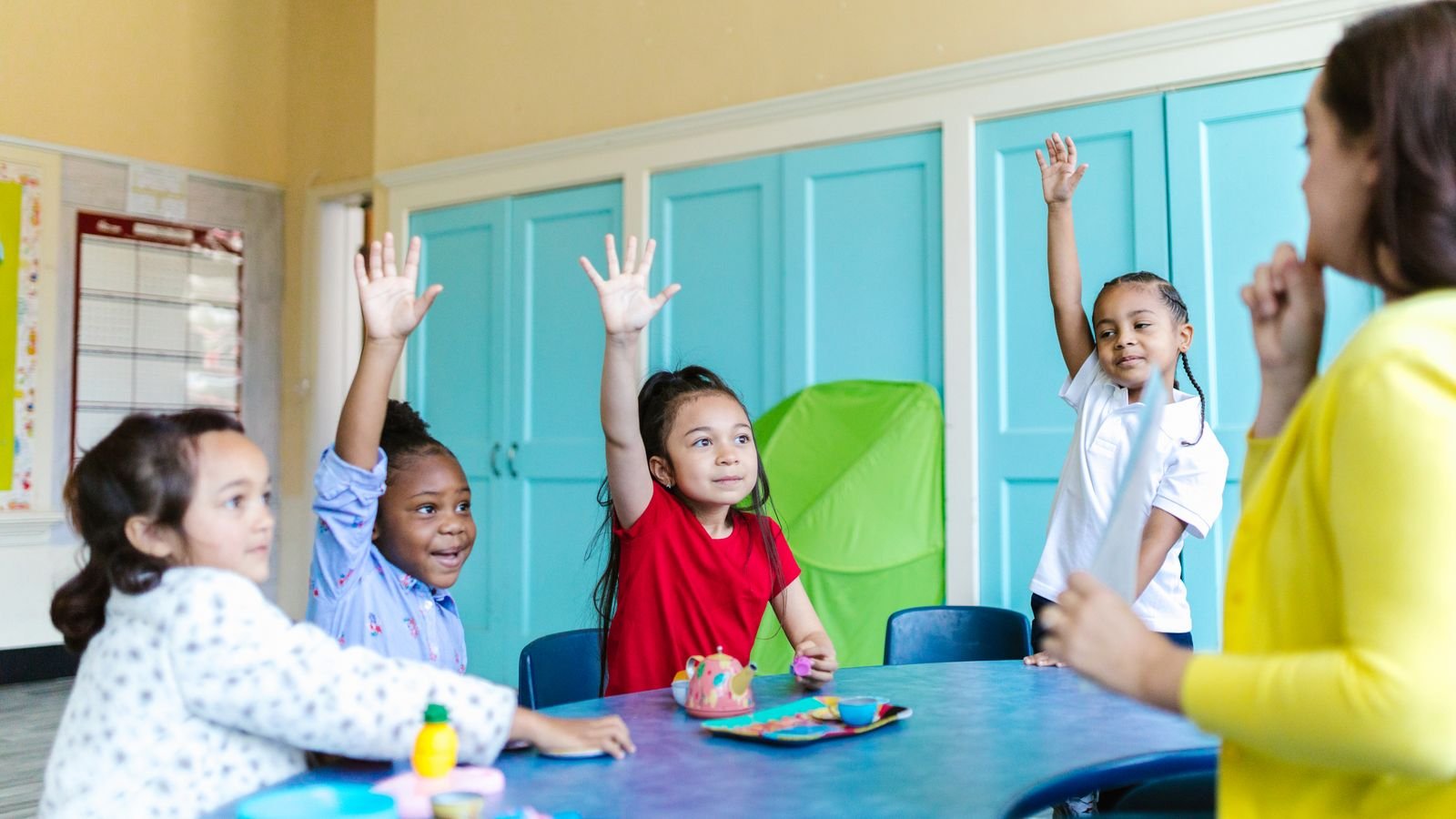
What a child gains from 1 on 1 teaching changes with age, so the right choice at six is not the right choice at thirteen.
Attention is short and habits are being formed. A twenty five to thirty minute private lesson usually beats an hour in a group, because a young child in a group spends most of the hour waiting. At this age the tutor’s real job is to keep the subject feeling like play while quietly building the habit of sitting down and thinking.
This is where 1 on 1 pays the most. Children are old enough for real technique and young enough that a bad habit can still be corrected cheaply. It is also when school workload starts sorting children into “good at maths” and “not good at maths”, labels that are often just a gap of a few unaddressed weeks. A private tutor can find and close that gap in a fortnight.
Now the child has opinions and a schedule. 1 on 1 works here because it is flexible and because a teenager will admit confusion to one adult far sooner than to a room. This is also the age where group practice becomes essential, so aim for both.
The three children who gain most from 1 on 1 classes are the ones who quietly disappear in a group. A shy child in a group learns to stay invisible, because invisibility is comfortable. One to one removes the audience, and parents are often startled by how talkative their quiet child becomes when nobody else is listening.
A bored child is usually a fast child being held at the group’s speed. Give that child a tutor who can jump two levels ahead and the boredom disappears, often along with the behaviour problems that came with it. A distracted child is the reverse case. In a group, every other child is a distraction. In a 1 on 1 class the tutor notices the exact moment attention drifts and changes activity before the child is lost, which is something no teacher of fifteen can do.
For most subjects, yes, and for some it is better. A live online 1 on 1 class keeps the two things that make private teaching work, which are a real human watching your child’s work in real time and immediate correction. What it removes is travel, weather, traffic and the limit of only hiring tutors who live near you. A family in Singapore can work with a specialist coach anywhere in the world at a time that suits a school night.
Online also has a quiet advantage that surprises parents. The lesson happens in your home, so you can hear it. You learn what your child struggles with, you hear how a good tutor explains things, and you can sit in whenever you want. That is much harder to do from a corridor outside a classroom. What to insist on is that the class is genuinely live and genuinely one to one, with a real tutor, not a recording and not a group session labelled as personal attention.
Seven things you can try this week before you commit any money
Ask your child one question after their next class. “What did the teacher say to you specifically today?” If the answer is nothing, you have found your problem.
Count the class. Ask the current provider exactly how many children are in the room. Many “small group” classes turn out to be eight or more.
Prefer short and frequent. Two or three shorter sessions a week beat one long weekly class, especially for children under ten.
Write down three specific goals. Not “get better at maths” but “stop losing marks on model drawing” or “learn to finish with a rook and king”. A good tutor can work with those in week one.
Sit in on the first lesson, then stop. One session tells you whether the tutor teaches or just presents. After that, give your child privacy so they feel free to be wrong.
Ask for one sentence of feedback after each class. Any tutor who is genuinely paying attention can tell you something specific in a line or two.
Use a free trial as a test, not a demo. Bring your child’s actual problem to it. See whether the tutor diagnoses it or talks around it.
Read this one aloud with your child. It takes two minutes.
A group class is learning to add fractions. The teacher writes on the board:
Fourteen children copy it down. One child, at the back, has a doubt but says nothing. Can you and your child spot what went wrong, and why nobody caught it?
Tap a question to reveal the answer
You can tell whether a 1 on 1 class is any good long before the first invoice. Watch for four things in the trial lesson. Does the tutor ask your child questions, or mostly talk at them? A good first session is mostly diagnosis. Does the tutor adjust when your child gets something wrong, or push on with the plan anyway? Does your child speak? A silent child in a private lesson is a warning sign, because the whole point of the format is that they can talk. And at the end, does the tutor tell you something you did not already know about your own child?
If those four things happen, you have found real teaching. If they do not, keep looking, because a poor tutor teaching one child is worse value than a good teacher with fifteen. The format only helps when there is genuine attention behind it.
You do not have to settle this argument in theory. Book one free 1 on 1 trial class, bring your child’s real sticking point to it, and watch what happens in those thirty minutes. Either your child comes out having understood something they did not understand that morning, or they do not. That is a much better test than any comparison article, including this one.
MasterMindz offers live 1 on 1 online classes for children and has taught 750+ students across 11+ countries, including families in Singapore, Dubai, the United States and Australia. Subjects include chess, maths, coding, Rubik’s cube, music and languages, always taught live by an experienced tutor to one child at a time.