September 28, 2026
Online classes are working when your child is more engaged, more skilled and more independent than a few weeks ago. Here is what to look for at 4, 8 and 12 weeks.


What that stomach-drop feeling before maths homework really is, and what the research says actually helps.
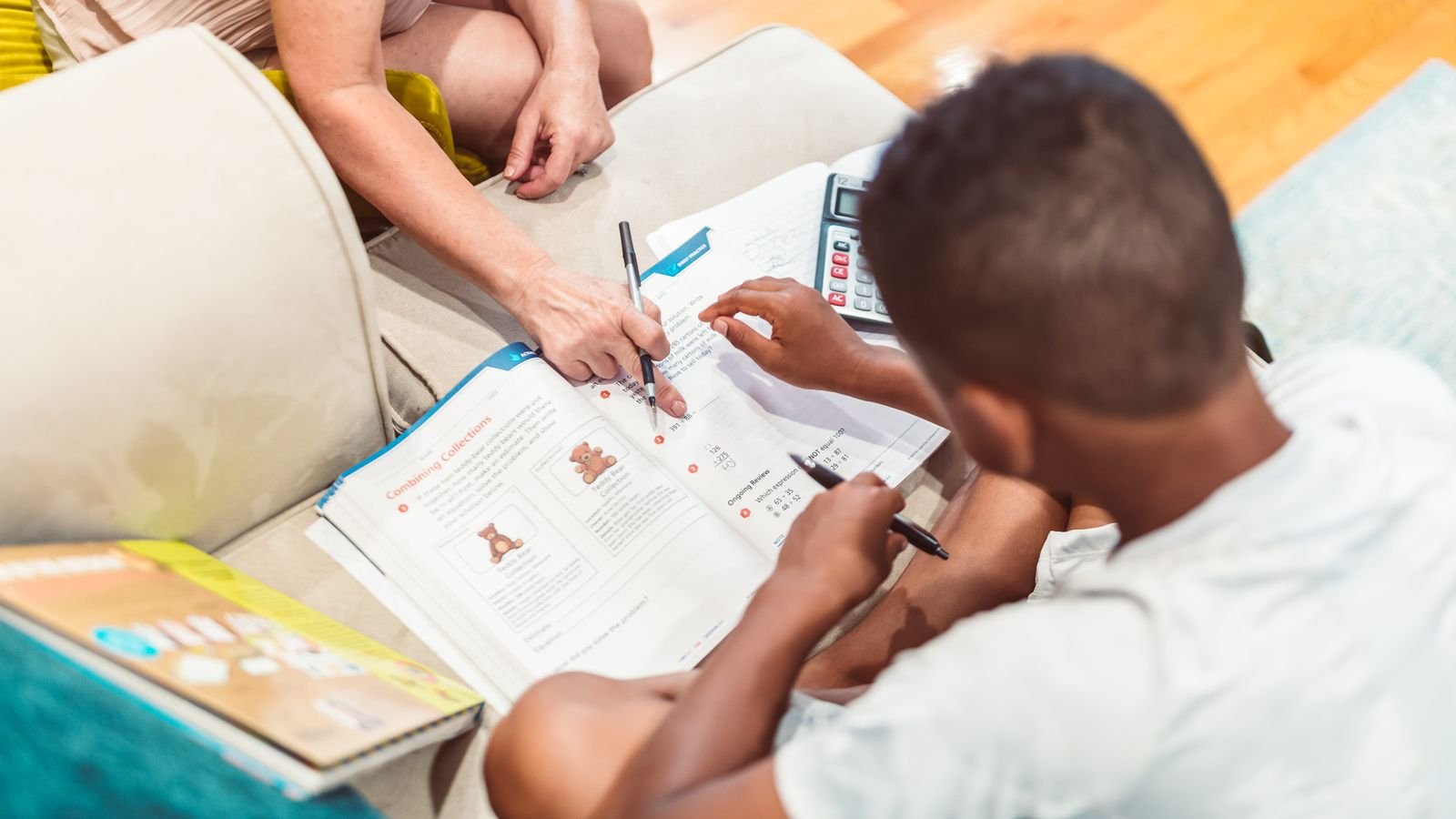
Maths anxiety is a genuine fear response to numbers and calculations, and it can show up in children as young as five or six. It has nothing to do with how “smart” a child is. Some of the most capable young learners freeze the moment a worksheet full of sums lands on the table, not because they cannot do the maths, but because their brain has started treating maths itself as a threat.
For parents in Singapore juggling school pressure, tuition, and extracurriculars, it is easy to mistake this fear for a lack of effort or discipline. The truth is more specific, and more fixable, than that. Researchers have spent over a decade studying exactly what maths anxiety is, where it comes from, and what actually helps. This guide walks through what the science says, and what a calm, 1 on 1 learning environment can realistically change.
Maths anxiety is the feeling of tension, worry, or dread that shows up before or during anything involving numbers, even in children who are otherwise strong learners. A systematic review of intervention research describes it as a persistent, negative emotional reaction to maths situations, distinct from general test anxiety or a simple dislike of the subject. It is measurable, it is common, and importantly, it is not fixed. Children can and do move out of it with the right support.
The clearest sign of maths anxiety is a mismatch between effort and outcome: a child who studies for an hour but blanks out on a simple question, or who rushes through homework just to be done with it. Other common signs include a stomach ache or headache that appears specifically before maths class, avoiding maths homework until the last possible minute, saying “I’m just bad at maths” very early and very often, or becoming unusually upset over a single wrong answer. None of these are character flaws. They are stress responses, and they tend to get worse, not better, if a child is pushed harder without addressing the underlying fear.
Maths anxiety usually comes from a combination of three things: an early bad experience, ongoing pressure, and the attitudes of the adults around a child. A single embarrassing moment, like freezing during a timed test or being corrected sharply in front of classmates, can plant the seed. From there, repeated exposure to high-pressure, high-speed maths without enough support lets that fear take root. And research on intergenerational effects of parents’ maths anxiety found that when a parent who is anxious about maths regularly helps with homework, their own discomfort can transfer directly to their child’s achievement and attitude, even if the parent never says a negative word about maths out loud.
Six things most parents don’t know about maths anxiety
Research shows maths anxiety and maths ability are only weakly linked. A child can be genuinely capable and still feel real dread.
Studies have measured maths anxiety in children as young as first grade, well before formal exams begin.
Brain imaging shows maths anxiety activates the same regions involved in detecting physical pain and threat.
A parent’s own discomfort with maths can pass to their child, especially during homework help sessions.
Speed pressure is one of the most consistently reported triggers researchers identify in anxious learners.
Unlike a fixed trait, maths anxiety responds well to the right kind of support, including focused 1 on 1 tutoring.
Researchers at Stanford found that eight weeks of one-on-one tutoring measurably reduced maths anxiety in third-graders. In the study, children identified as highly maths-anxious received about 22 sessions of individual instruction, and by the end, their anxiety scores dropped to match those of their non-anxious peers. Brain scans taken before and after showed calmer activity in the amygdala, the brain’s fear centre, alongside stronger engagement in regions used for working memory and problem solving. According to Stanford Medicine Children’s Health, the children’s maths performance improved alongside their anxiety, not instead of it. The lesson for parents is a simple one: calming the fear and building the skill happen together, not as two separate steps.
A child with maths anxiety needs to feel safe making mistakes, and that is far easier to guarantee in a 1 on 1 class than in a room of twenty or thirty classmates. In a group setting, an anxious child often spends more energy managing the fear of being seen getting it wrong than actually attempting the problem. A dedicated tutor can slow down exactly where a specific child needs it, skip re-explaining what they already understand, and notice the small moment a child tenses up long before it turns into a shutdown. That level of responsiveness simply is not possible when one teacher is managing a full classroom.
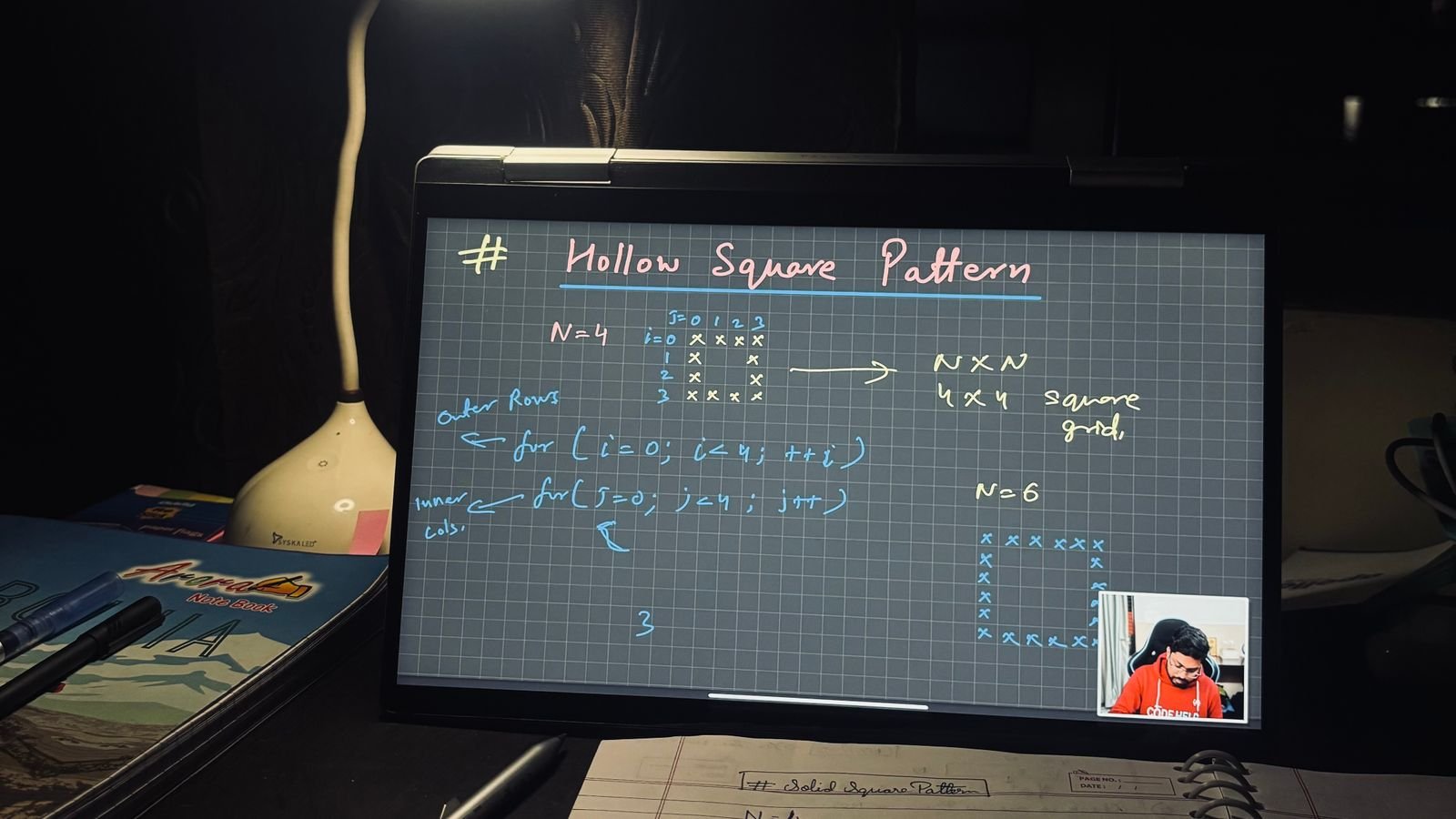
For a maths-anxious child, online 1 on 1 classes often work better than in-person tuition centres, mainly because home is already a familiar, low-pressure environment. There is no new building, no unfamiliar faces in a waiting room, and no commute working a child up before the lesson even starts. A live online tutor gets the same real-time interaction and eye contact as an in-person session, just without the extra layers of unfamiliarity that can quietly add to a child’s stress before the maths has even begun.
The single most useful thing a parent can do is separate their own feelings about maths from the conversation with their child. Saying “I was never good at maths either” can feel like empathy, but research on intergenerational transfer suggests it can quietly confirm a child’s fear that maths difficulty runs in the family and cannot be changed. It helps far more to name the feeling directly: “This feels hard right now, and that’s okay, let’s figure out which part is tricky,” keeps the focus on the specific problem rather than the child’s identity as a “maths person” or not.
Simple things you can try at home this week
Retire the phrase “I was bad at maths too.” Even said kindly, it can suggest maths struggle is inherited and permanent.
Save timers for fun, not pressure. Use a stopwatch for games your child enjoys, never as a threat during homework.
Praise the attempt, not just the answer. “I like how you tried that a different way” builds resilience faster than “good job, correct.”
Break homework into 10-minute chunks. Short, calm bursts prevent the slow build-up of dread that leads to a shutdown.
Normalise mistakes out loud. Talk through a wrong answer calmly together instead of rushing straight to the fix.
Watch your own reactions. A sigh or a raised voice during homework help registers with a child far more than the words used.
Try a free trial class. A single low-pressure session with a patient 1 on 1 tutor often shows a parent exactly how their child responds when the fear is removed.
A calm way to practise, no pressure, no timer
A child solved this multiplication problem. Can you spot where it went wrong?
Tap a question to reveal the answer
Maths anxiety is common, well studied, and genuinely fixable, but it rarely fixes itself under more pressure. What the research consistently points to is patient, individual attention that lets a child move at their own pace and make mistakes without an audience. A live 1 on 1 online maths class is built around exactly that idea. If you are wondering how your own child would respond, a free trial class is a low-pressure way to find out, with no cost and no commitment either way.
MasterMindz teaches children worldwide through live, personal 1 on 1 online classes in maths, chess, coding and more, with experienced tutors and a fun, individual approach.