September 10, 2026
You can prepare a child properly for the PSLE without wrecking the year. The families who come through it well are almost never the ones who studied the most hours.


One lesson decides everything. Here is exactly what to look for.
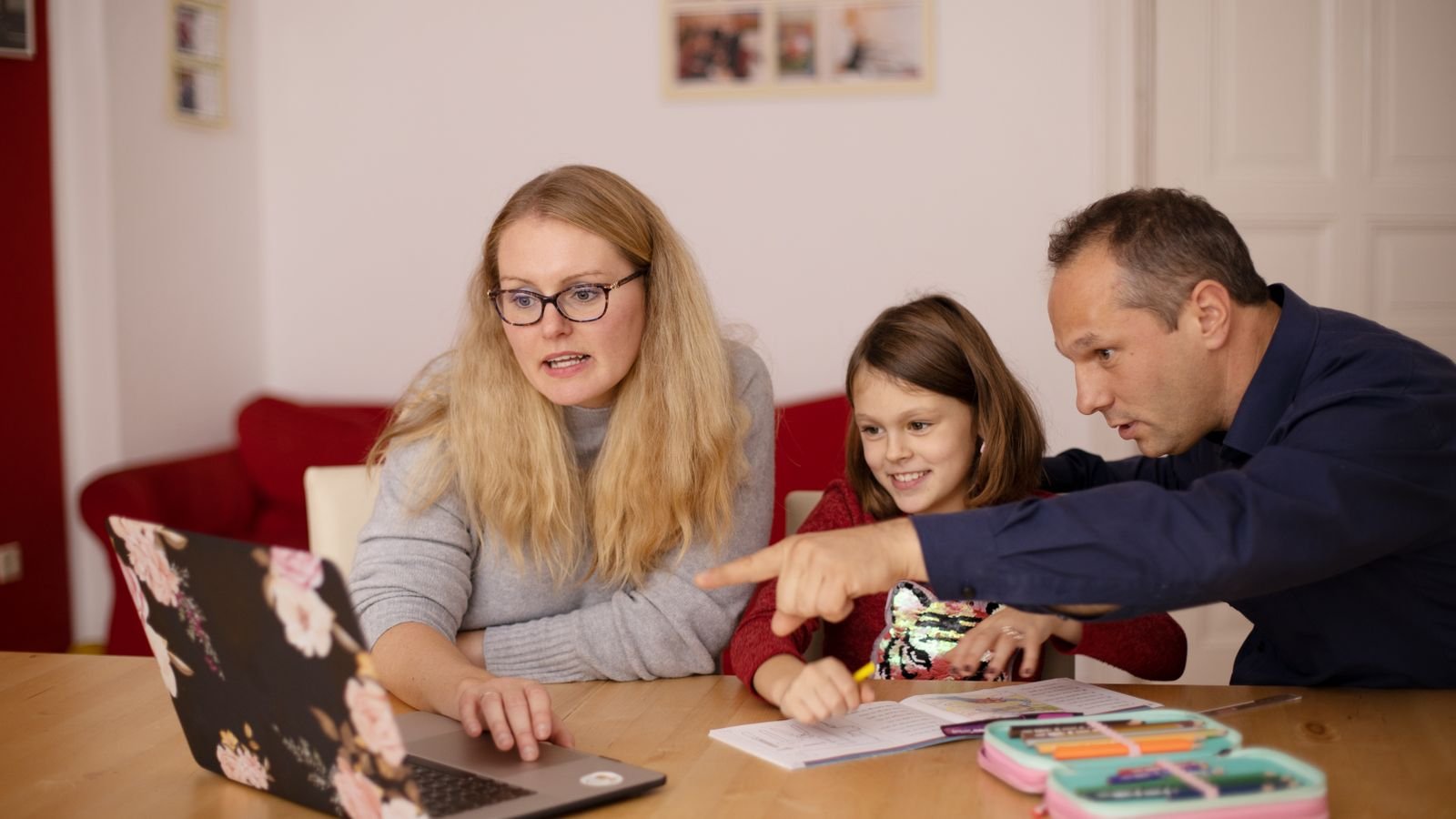
Most parents walk into a free trial class hoping their child performs well. That is the wrong way round. The trial exists so that you can judge the teacher, the platform and the fit, and you only get one clean look at it.
The format itself has good evidence behind it. The Education Endowment Foundation’s review of one to one tuition, drawing on more than a hundred studies, puts the average gain at around five additional months of progress. But that average hides enormous variation between good teaching and weak teaching, which is precisely what the trial hour is for.
A trial lesson is roughly forty five to sixty minutes of evidence. Handled casually, it tells you almost nothing beyond whether your child smiled. Handled with a little structure, it tells you whether this teacher can actually move your child forward over the next twelve months. This guide is the checklist we wish every parent had before booking any online class, including ours.
A free trial class is a diagnostic session, not a sales demonstration. Its job is to answer three questions: can this teacher find your child’s current level quickly, can they hold your child’s attention without gimmicks, and do they explain in a way your particular child understands. Everything else, including price, schedule and curriculum, can be sorted out later.
It is also the only chance you get to see the unpolished version. Once a child enrols, the relationship settles and habits form. What you see in the trial is close to what you will get in week six, minus a little nervousness on both sides. So watch the trial the way you would watch a test drive, not the way you would watch a school assembly.
One more thing worth saying plainly. A good provider wants you to say no if it is not a fit. A trial that ends with pressure rather than a clear summary of your child’s level has told you something important about the company behind it.
Send the teacher three short lines about your child before the lesson starts. That small act changes the quality of the trial more than anything else you can do. Teachers who receive context can skip the first fifteen minutes of guesswork and go straight to something useful.
Keep it simple. Line one: age, school level, and whether they have touched this subject before. Line two: one thing your child loves and one thing that frustrates them. Line three: what you personally hope changes in six months, whether that is focus, confidence, exam marks or simply enjoying something that is not a screen game. If your child is shy on camera, say so. A teacher who knows will open differently.
Then handle the practical side ten minutes early. Test the audio, the camera and the internet. Sit your child at a table rather than a bed or a sofa. Put a notebook and pencil within reach. Remove the tablet, the television and the younger sibling if you can. A trial ruined by a crackly microphone tells you nothing about the teacher.
Six things the research says about one to one teaching
The Education Endowment Foundation reports that one to one tuition produces roughly five additional months of progress on average across 123 studies.
The same review found the effect is larger in primary school, at about six months, than in secondary school, at about four.
Regular shorter sessions repeated across the week tend to outperform occasional long ones, which is why weekly rhythm matters more than lesson length.
Studies that delivered tuition through digital technology showed broadly similar effects to in person sessions, so online is not automatically a compromise.
Stanford’s National Student Support Accelerator lists a consistent tutor, meeting the same child every week, as a core feature of effective tutoring.
Researchers found that the type and quality of teaching a small group allows matters more than the exact number of children in the room.
In the first ten minutes, a strong teacher finds your child’s level and gets them talking. Watch for a short warm up, two or three quick questions that probe what the child already knows, and then an immediate adjustment in difficulty. That adjustment is the skill. Anyone can deliver a prepared lesson. Very few can rebuild it live in the first five minutes because the child turned out to be further ahead or further behind than expected.
Listen for the balance of voices too. If the teacher is speaking for nine of the first ten minutes, that is a lecture, and a lecture is exactly what one to one classes are supposed to replace. A good trial has the child talking, choosing, guessing and being wrong out loud. In a chess trial, your child should be moving pieces within a few minutes, not watching a slide deck about the history of the game.
Also notice how the teacher uses your child’s name and their interests. A teacher who picks up that your daughter plays badminton and turns a maths problem into a badminton scoring problem is showing you what the next fifty classes will feel like.
Watch the teaching, not your child’s performance. Sit close enough to observe but far enough that your child does not keep glancing at you for approval. Here is the checklist worth keeping open on your phone.
One. How does the teacher react to a wrong answer? The best response is curiosity, something like “interesting, show me how you got there,” rather than a quick correction. Two. Is difficulty adjusted at least once during the lesson? Three. Does the teacher wait after asking a question, or fill every silence? Thinking time is a teaching skill. Four. Is there a moment where your child laughs or gets visibly absorbed?
Five. Is the screen shared clearly, with a board or tool your child can actually control? Six. Does the teacher check understanding by asking your child to explain it back, rather than asking “do you understand?” Seven. Is there a small win engineered before the end, something your child solved themselves? Eight. Does the lesson end with a clear statement of level and next step, or does it end with a discount offer?
If six of those eight are present, you have found a real teacher. If only two or three are, keep looking, no matter how polished the sales conversation afterwards feels.
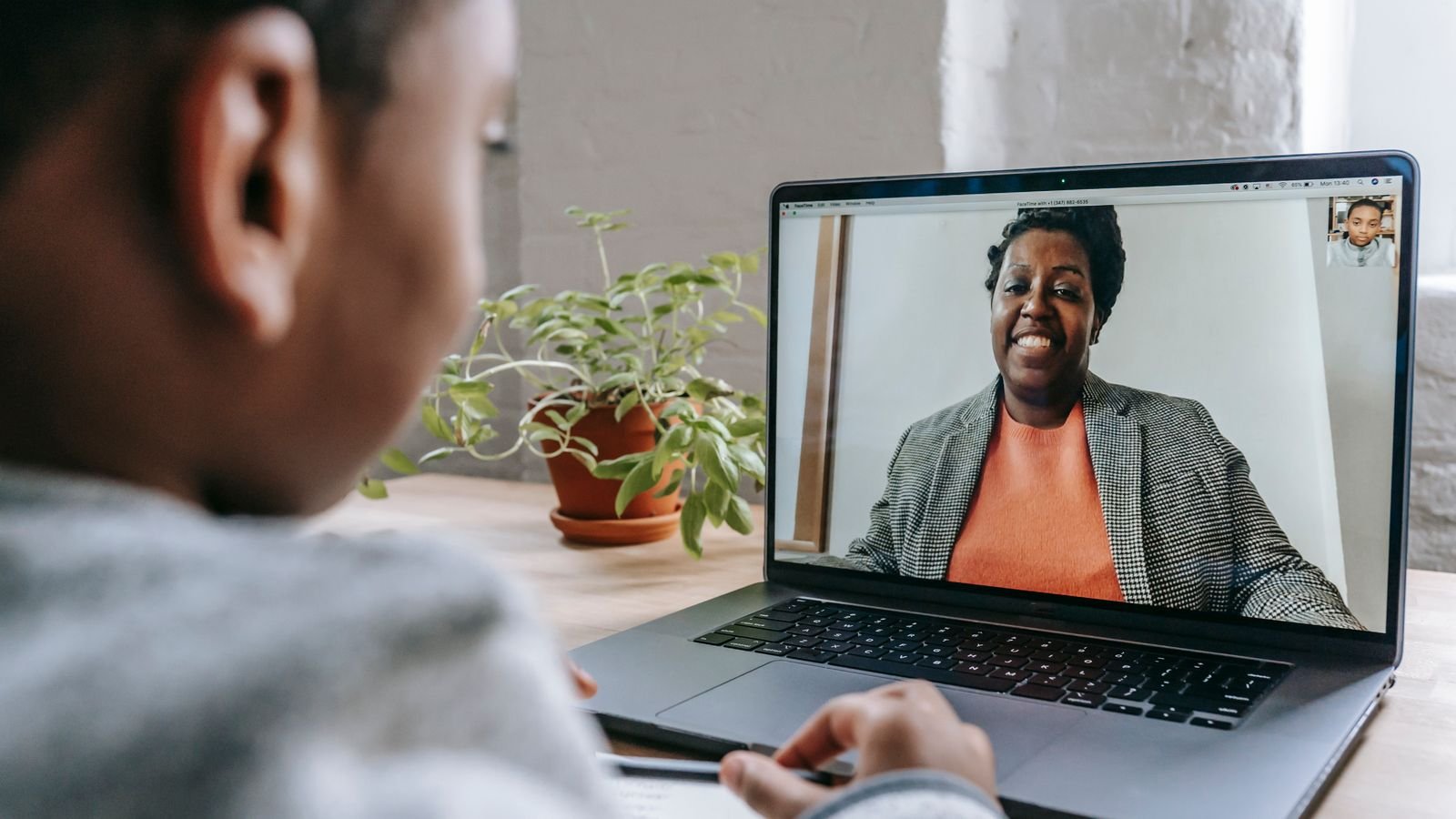
Ask the teacher what level your child is at and what the first month would look like. A teacher who has genuinely assessed your child can answer that in specifics within thirty seconds. Vague praise is not an answer. “She is very bright and picks things up fast” tells you nothing. “She knows how the pieces move but hangs pieces because she is not scanning for threats, so month one is all about seeing checks and captures before moving” tells you everything.
The teacher question matters more than most parents realise. Stanford University’s National Student Support Accelerator lists a consistent tutor relationship among the core design principles of effective tutoring, because continuity is what lets a teacher build on last week instead of restarting every session.
Then work through these: Will my child have the same teacher every week, or a rotating pool? How do you handle a week where my child is tired or uncooperative? What happens if we need to change the time slot because of school or travel? How will I know in eight weeks whether this is working, and what will you show me? What is the policy if we want to pause or stop?
Ask your child two questions as well, separately and gently. What was the hardest bit? And would you want to do that again on Saturday? Children rarely lie about the second one. If the answer is an unenthusiastic shrug, that is data, even if you liked the teacher.
The biggest red flag is a trial that spends more time on your wallet than on your child. If the last ten minutes are a pricing pitch with a deadline attached, the trial was marketing wearing the costume of a lesson. Good providers give you the assessment first and let the decision breathe.
Other warning signs worth taking seriously: the teacher cannot tell you what your child struggled with; the lesson was identical to a video you could watch free online; your child was passive for most of the session; the teacher’s camera stayed off; there is no clarity on who will actually teach the paid classes; or the company will not confirm safeguarding basics such as background checks and whether parents may observe or record. On safety, a serious provider will have this written down, as we do on our child safety page, rather than reassuring you verbally.
One softer flag: if the teacher speaks about your child in the third person to you while your child is on the call, that is a habit that will not improve. The child should be the person in the conversation.
Simple things you can do this week to make a trial count
Book the slot when your child is fresh. Not immediately after school and not after 8pm. A tired child gives you a false reading of both the teacher and the subject.
Send the three lines. Age and level, one love and one frustration, one hope for six months from now. Send it the night before, not five minutes before.
Tell your child the truth about what this is. Say “we are trying out a teacher to see if we like them.” It removes the pressure to perform and gives you a much more honest hour.
Sit at an angle, not behind the screen. Close enough to hear everything, out of your child’s eyeline so they stop checking your face for approval.
Write two notes during the lesson. One moment your child was fully absorbed, one moment they drifted. Compare those two notes across different providers and the choice usually makes itself.
Book two trials, not five. Two gives you a comparison. Five turns into a blur and your child ends up repeating the same beginner lesson until they are bored of the subject entirely.
Ask for the assessment in writing. A one paragraph summary of level and first month plan. If a provider cannot produce that, they did not really assess anything.
A trial lesson goes wrong. Can you find the moment?
Riya, aged 8, joins a free trial chess class. The teacher greets her warmly, shares a slide deck, and explains for twenty minutes how each piece moves. Riya already knows this, but she nods politely. The teacher then sets up a puzzle that is far too hard. Riya guesses wrong. The teacher says “no, the correct answer is knight to f6,” and moves on. The lesson ends with a cheerful “she has great potential!” and a limited time discount.
Tap a question to reveal the answer
Give yourself one day before committing, and use it to ask a single question: what specifically would be different in three months? If you can answer that in concrete terms because the teacher gave you a real assessment, enrol with confidence. If your only reason is that the teacher seemed nice and the offer expires tonight, wait. Genuine providers keep their pricing available tomorrow.
The other useful test is quieter. Twenty four hours later, ask your child what they remember from the class. A child who remembers something they figured out themselves had a good lesson. A child who remembers the teacher being funny had a nice hour. A child who remembers nothing at all has told you what you needed to know. Trust that answer more than the brochure.
More for curious parents
MasterMindz offers live 1 on 1 online classes for children and has taught 750+ students across 11+ countries, including Singapore, Dubai, Australia, Romania and the United States. Subjects include chess, maths, coding, Rubik’s cube, music and languages, taught by experienced tutors in live personal sessions rather than recorded videos. The first class is free, with no commitment afterwards.