October 13, 2026
Chess makes kids better students mainly through the habits it trains: pausing before acting, checking for problems, planning ahead, reviewing mistakes and staying focused to the end. Those...


A minute by minute parent’s walkthrough of what really happens in a child’s first online chess class, so nothing feels like a surprise.
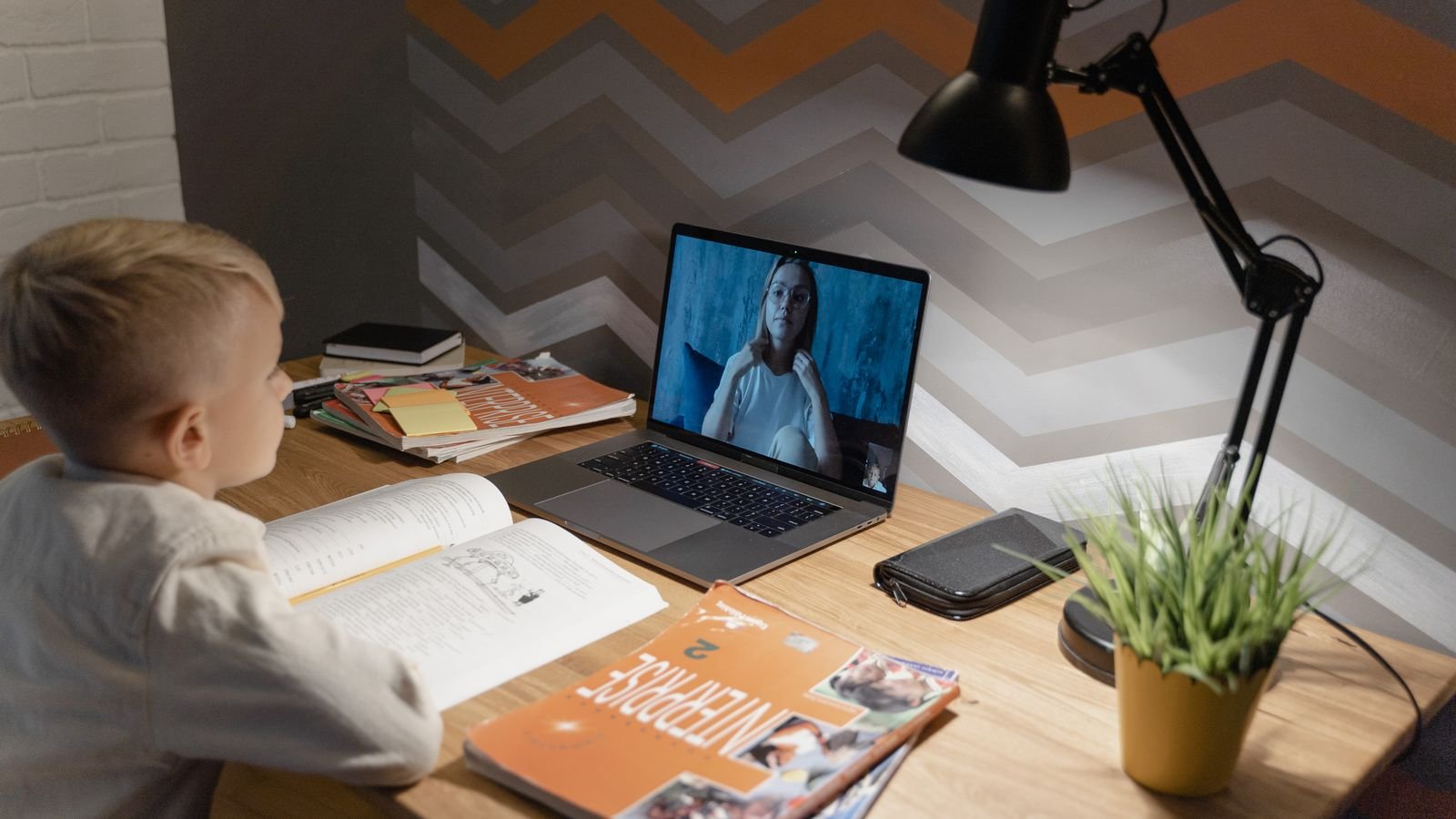
Most parents book a free trial chess class without knowing exactly what those 45 minutes will involve, and that uncertainty is completely normal. Here is a minute by minute walkthrough of what actually happens, so you know what to expect before the call even starts.
The short version: a well run trial is not a test, and it does not assume your child knows anything about chess already. It is a structured, friendly session designed to find out where your child is starting from, teach one or two real ideas, and end with something your child can be proud of.
Nothing is required from a parent beyond a device with a camera and a stable internet connection, since no prior chess knowledge or physical chess board is needed for a first class. According to a guide to online chess classes for beginners, the child practises on a shared interactive board while the coach watches and corrects in real time, so there is nothing to set up in advance beyond joining the video call. It helps, but is not required, for a parent to sit in for the first few minutes while a child gets used to the format.
The opening segment of a well designed trial class is a quiet diagnostic, not a lecture, where the coach spends time on introductions, board orientation and simple questions to gauge what a child already knows. As one parent’s guide to a child’s first chess class puts it, this stage focuses on making the child feel safe enough to get something wrong, often using storytelling, such as describing the king and queen as castle rulers and knights as horses, to make the pieces memorable before any rule is formally taught.
A few things worth knowing before your child’s first class
The shared digital board handles everything during a live session, so a physical chess set is not required for the trial.
A well run class follows an opening assessment, a core teaching segment, and a guided practice game, in that order.
Children aged five to seven often do better with sessions at the shorter end of the usual 45 to 60 minute range.
Engagement in the opening minutes is often what decides whether a child wants to come back for a second class.
Strong coaches introduce pieces through stories, like knights as horses, before teaching formal movement rules.
A live coach watching a shared board can correct a mistake the moment it happens, unlike a recorded video lesson.
The bulk of a trial class, usually the next 20 to 30 minutes, covers one or two concrete ideas taught through the shared interactive board rather than a lecture, such as the names and movements of all six pieces, how a game starts and ends, and what it means for a king to be in check. Most beginner sessions run 45 to 60 minutes in total, split across instruction, supervised practice and review, so this middle stretch is deliberately the longest part of the class, since it is where the actual learning happens.
The class typically closes with a short guided practice game, where the child applies what they just learned while the coach comments in real time, followed by a quick, honest note to the parent about what the child picked up and what a next class would build on. This is the part that usually matters most to a parent watching from the next room: not a certificate or a score, but a coach’s plain sentence about whether their child is genuinely ready to continue.
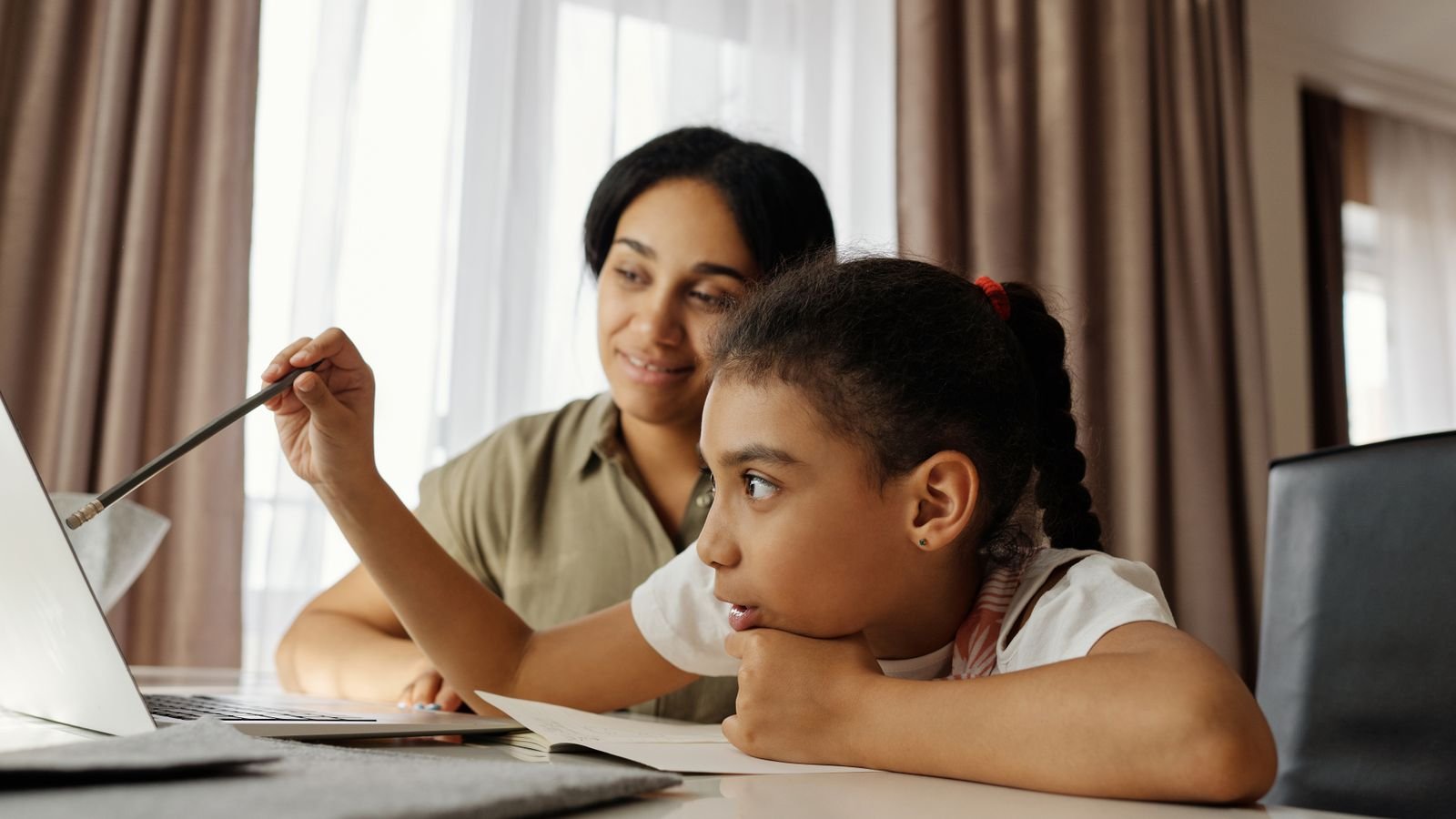
The best sign a trial worked is not whether your child memorised every rule in 45 minutes, it is whether they ask when the next class is, since genuine curiosity is what actually predicts whether they will keep practising. Notice whether your child talked more ten minutes in than they did at the start, whether they asked the coach any questions unprompted, and whether they wanted to show you the practice game afterward. Those small signals usually tell you more than the content of the lesson itself.
Simple things you can do around your child’s trial class
Don’t pre-teach the rules. Let the coach run the opening diagnostic properly, since it tells them exactly where to pitch the lesson.
Sit close by, not on camera. Your presence helps a shy child settle without you answering questions for them.
Test the tech beforehand. A working camera, microphone and stable internet stop the first ten minutes being eaten by a login problem.
Ask for a two line note after class. A good coach can tell you in one sentence what your child is ready for next.
Skip screens and sugar right before. Chess needs the same fresh attention as any other lesson, so treat it like one.
Judge the fit over two classes, not one. A quiet first class from nerves is common and is not a verdict on whether chess suits your child.
The same kind of small win a coach builds a trial class around
White has a queen and a rook. Black has just a lone king, pushed into a corner. What is the fastest way for White to deliver checkmate?
Tap a question to reveal the answer
A free trial chess class is deliberately low pressure: no equipment to buy, no rules to learn in advance, and no score at the end. Its only real job is to show you, in 45 minutes, whether your child leans forward or checks the clock. That single data point is usually worth more than anything a brochure could tell you.
More for curious parents
MasterMindz teaches children worldwide through live, personal 1 on 1 online classes in chess, maths, coding and more, with experienced tutors and a fun, individual approach.