October 13, 2026
Chess makes kids better students mainly through the habits it trains: pausing before acting, checking for problems, planning ahead, reviewing mistakes and staying focused to the end. Those...


A realistic, month by month timeline for children aged 5 to 14, written for parents who want honest answers.
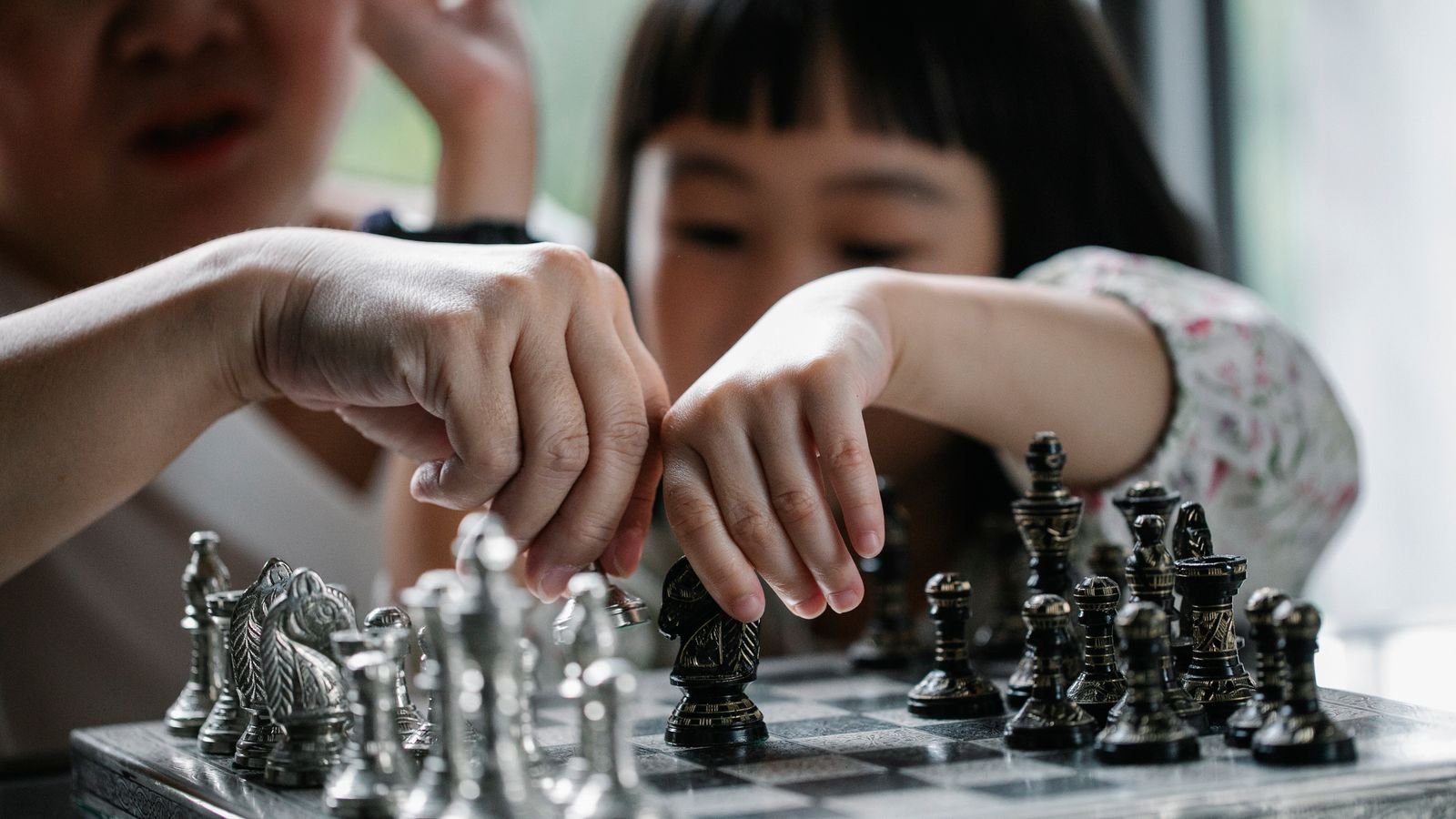
Every parent asks this in the first week. Your child has just learned how the knight moves, they are excited, and you want to know what you are signing up for. Six weeks? Six months? Six years? The honest answer is that chess rewards patience, but not as slowly as most parents fear. Visible progress arrives much sooner than mastery does.
This guide gives you a realistic timeline based on how children actually learn the game, what to expect at each stage, and the handful of habits that separate a child who improves quickly from one who plateaus at the same level for a year.
A child who takes regular chess lessons and practises for about 2 to 3 hours a week usually becomes a genuinely decent player within 6 to 12 months, and reaches club tournament level in roughly 2 to 3 years. Those numbers assume consistency rather than intensity. A child doing twenty minutes on most days will pass a child who does two hours once a fortnight, every time.
Here is what that looks like in practice. In the first month your child learns the rules and stops making illegal moves. By month three they are winning against beginners and can spot simple traps. By month six to twelve most children can beat a parent who plays casually, which is usually the moment families realise something real is happening. Serious tournament strength is a longer road, and research on chess expertise consistently shows that the very top players accumulate thousands of hours of focused study over their first decade of play. That is a career, not a school term.
“Good” is not one thing, which is why timelines confuse parents. It helps to think about four separate stages, each with a clear finish line you can actually observe at home.
Your child moves every piece correctly, understands check, checkmate and stalemate, and can finish a game without help. Almost every child reaches this stage. It is the easy part.
This is the single biggest jump in junior chess. The child starts checking whether a piece is defended before moving it. Games stop being decided by accidents. Parents notice their child suddenly taking longer over moves, which looks like hesitation but is actually thinking.
Now the child develops pieces sensibly, controls the centre, castles early and recognises common tactical patterns such as forks and pins without being prompted. At this point they will beat most adults who play only at family gatherings.
The child can calculate several moves ahead, convert winning endgames, and hold their own in rated tournaments. Reaching this stage takes deliberate work, and this is where good coaching makes the biggest difference.
Six things about chess progress that surprise most parents
Children improve in jumps, not smoothly. A child can look stuck for six weeks and then suddenly play a level above where they were.
The first few hundred rating points come far faster than the next few hundred. Each new level takes noticeably more work than the last.
Research on chess expertise found that focused study on your own predicted playing strength better than simply playing lots of games.
After just four moves each, over 288 billion different positions are possible. No child is ever memorising the game.
Children who review one lost game a week improve visibly quicker than children who play three times as many games and never look back.
Children in this band tend to absorb patterns quickly and can gain a great deal of playing strength in a single year of steady practice.
Here is what a typical first year looks like for a child of about 7 to 12 taking one or two lessons a week plus short practice at home. Use it as a rough map, not a report card.
Your child learns piece values, basic checkmates and how to finish a game. Expect plenty of blunders. This is normal and not a sign of anything.
Forks, pins and skewers start appearing in their games on purpose rather than by luck. Daily puzzle practice pays off most in this window.
Your child begins checking their opponent’s last move before replying. Games get longer and much closer. Many parents start losing here.
They stop moving the same pawn five times and start developing knights and bishops early, castling and connecting rooks. Their games begin to look like chess.
Basic endgame technique arrives, such as king and rook against king, and pushing a pawn to promotion. This is usually when a child is ready for a first tournament.
The difference is almost never talent, it is the quality of practice. Two children can both spend three hours a week on chess and be a year apart in strength after eighteen months. Studies of how chess skill develops, including a well known study on deliberate practice in chess, point to serious focused study as the strongest predictor of playing strength, ahead of casual play.
In practical terms, the faster child is doing three things the slower child is not. They solve puzzles in short daily doses instead of long weekend sessions. They go back over games they lost with someone who can explain what went wrong. And they play games slow enough to actually think, rather than a stream of one minute bullet games where there is no time to learn anything.
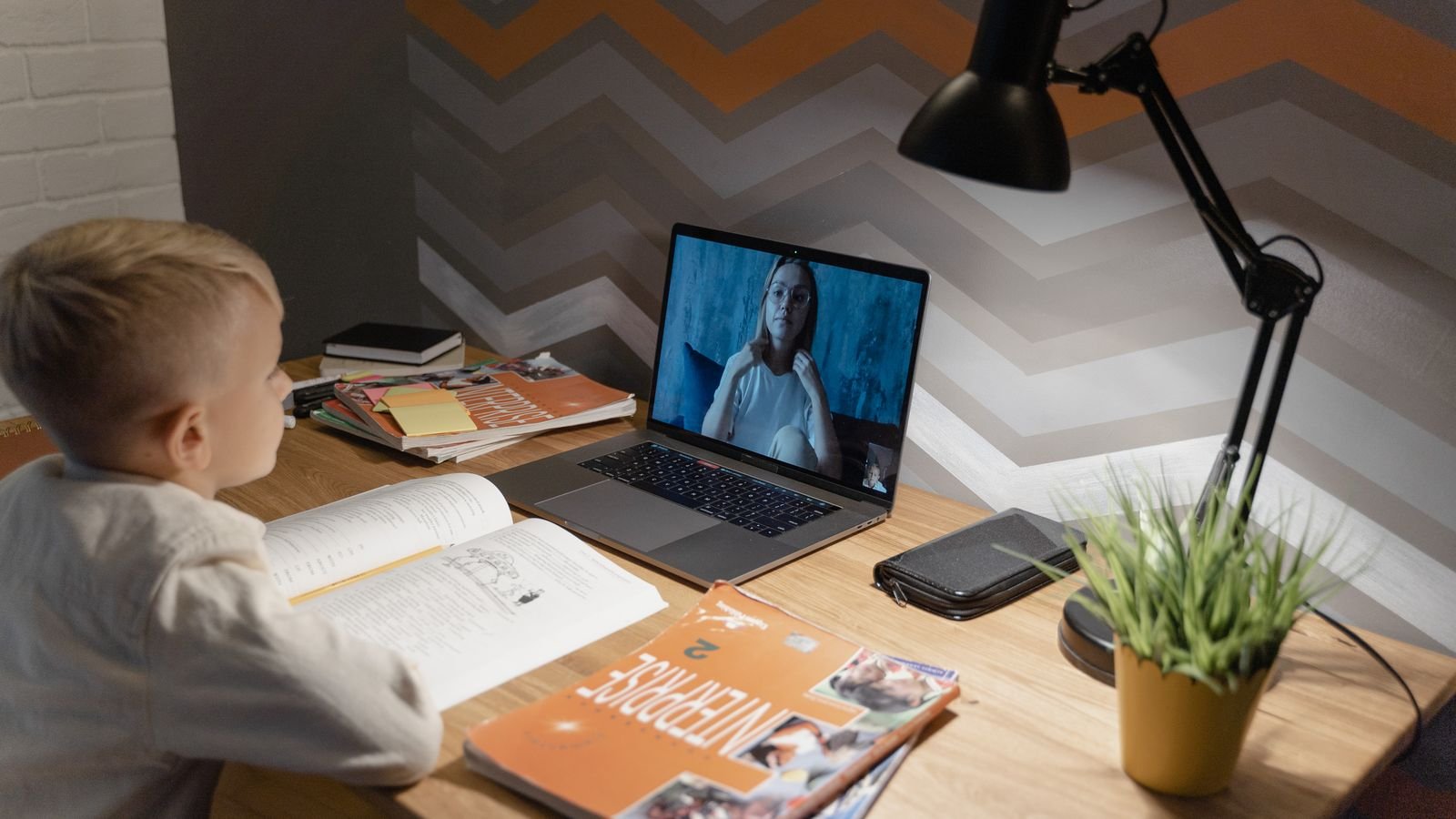
This is exactly where 1 on 1 attention changes the curve. In a group class, a child’s own mistakes rarely get looked at. In a personal class, the tutor is working on that specific child’s habits, week after week.
Chess progress rests on four skills, and most children who feel stuck are missing exactly one of them. Knowing which one saves months.
Pattern recognition. Strong players do not calculate everything. They recognise shapes they have seen before. This is built by solving many short puzzles, which is why ten puzzles a day beats one long session a week.
Board vision. The ability to see the whole board rather than the corner where the action is. Children who lose pieces on the far side of the board need this, not more openings.
Calculation. Working out a short sequence in their head before touching a piece. It is trained slowly, through longer games and by asking “and then what?” out loud.
Emotional control. The most underrated of the four. A child who tilts after losing a queen throws away the rest of the game. Learning to keep playing a worse position is a skill, and it transfers well beyond chess.
Starting young helps, but starting late is not a disadvantage for anything most families care about. Children who begin around 5 or 6 have more years to accumulate practice, and that time advantage compounds if they stay interested. Researchers looking at elite players, such as this analysis of what shaped a world champion’s development, note that early exposure combined with a very large amount of practice is the common pattern at the very top.
For everyone else, the picture is friendlier. A child who starts at 10 with real interest will usually overtake a child who started at 5 and stopped caring at 8. Interest is worth more than a head start. If your child is 4 or 5, focus on making the pieces feel like characters in a story. If they are 9 or older, they can handle proper tactics and structure straight away and will often move faster in the early months than a younger beginner.
Most stalled progress comes from a small set of avoidable habits rather than a lack of ability. These are the ones we see most often.
Only playing very fast games. Bullet and blitz are fun and they build speed, but a child cannot learn to calculate in ten seconds. Keep at least some games at ten minutes or longer.
Memorising openings too early. Long opening lines feel like progress and rarely are. Below club level, games are decided by tactics and blunders, not move fourteen of a variation.
Never reviewing losses. A loss that is never looked at teaches nothing. One reviewed game is worth ten unreviewed ones.
Pressure from the sidelines. Children who feel their results matter to a parent’s mood get anxious, play safe and stop improving. Praise the thinking, not the score.
Stopping during a plateau. Plateaus are part of the process and often end suddenly. Quitting during one is the most common way a promising player disappears.
Simple things you can try at home this week
Ten puzzles, every day, no more. Short and daily beats long and occasional. Ten minutes before dinner is enough to build pattern recognition.
Ask one question after every game. “Which move do you wish you could take back?” Your child will do the analysis themselves, which is the point.
Play one slow game a week. Fifteen minutes each, no phone nearby. This is where calculation actually gets built.
Teach the “is it defended?” habit. Before your child releases a piece, they check whether the square is attacked. This one habit removes most beginner losses.
Keep a losses notebook. One line per lost game about what went wrong. Patterns become obvious within a month.
Let them beat you honestly. Do not throw games. Children can tell, and a real win they earned is worth ten gifted ones.
Enter a small tournament at month nine. Nothing accelerates a child like playing someone their own age who is slightly better.
Read this one out loud to your child
Anaya is playing White. She has just brought her queen out early to attack a pawn, and Black replies by developing a knight that attacks her queen. Anaya moves her queen again to safety. Two moves later Black attacks it once more, and she moves it a third time. Anaya has not lost a single piece. So what has gone wrong?
Tap a question to reveal the answer
Expect visible progress by week six and real games by month three. Your child will still blunder, they will still lose to people they think they should beat, and there will be at least one week where they say chess is boring. All of that is normal and none of it predicts where they end up. What predicts the outcome is whether the practice stays steady and whether someone is looking at their mistakes with them.
If you want to find out how your child takes to it, the simplest first step is a single free trial class. You will learn more in fifty minutes of watching your child play with a tutor than in weeks of wondering.
MasterMindz offers live 1 on 1 online classes for children and has taught 750+ students across 11+ countries. Our chess tutors teach personally, review each child’s own games, and adapt every lesson to the child in front of them, in chess, maths, coding and more.