September 10, 2026
You can prepare a child properly for the PSLE without wrecking the year. The families who come through it well are almost never the ones who studied the most hours.


Tuition spending keeps rising. Quietly, a lot of families have started spending differently.
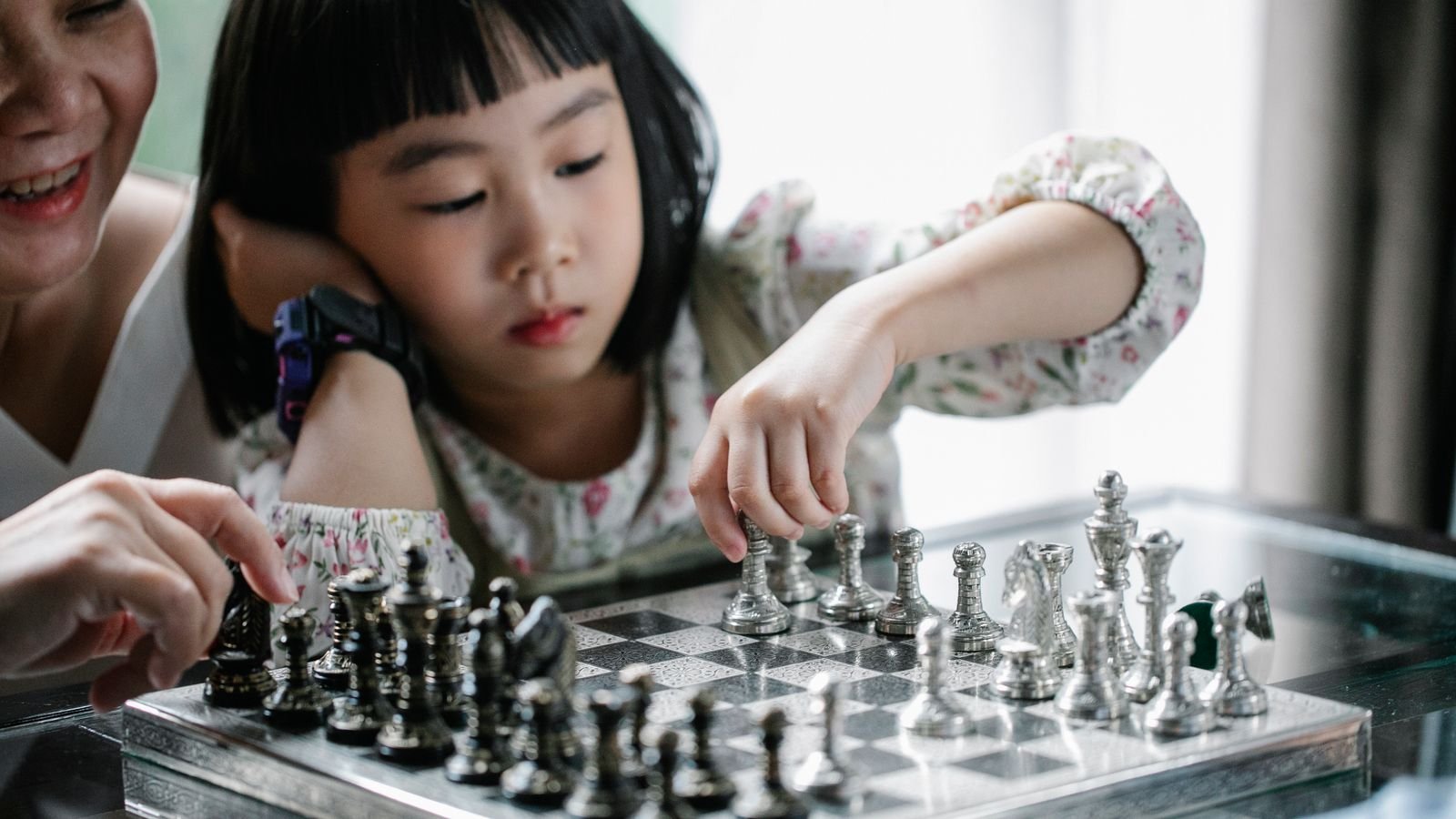
Singapore parents are not spending less on their children’s learning. They are increasingly spending it somewhere other than a fourth weekly tuition slot, and the shift is happening quietly, one family at a time.
If you have found yourself looking at the calendar on a Saturday morning and wondering whether another hour of maths practice is really the best use of it, you are asking a question that a lot of households in Singapore are asking right now. This article looks at what the data says, what the Ministry of Education has been signalling for years, and what parents are actually adding in place of more academic classes.
Tuition spending in Singapore is still climbing. The Department of Statistics Household Expenditure Survey found that families spent roughly $1.8 billion on private tuition in 2023, compared with about $1.4 billion in 2018 and $1.1 billion in 2013. The average household was spending around $104.80 a month on tuition by 2023, up from $88.40 five years earlier.
Two details matter more than the headline. First, education now sits close behind housing, food and transport in the household budget, which tells you it is treated as a necessity rather than a luxury. Second, the gap by income is wide, with the top fifth of households spending several times what the bottom fifth spends. Whatever your own view on tuition, the market is not shrinking.
What is changing is the composition. Alongside academic tuition, families are increasingly paying for coding, chess, public speaking, music and other skill based programmes. The total keeps rising, but for a growing number of households the extra dollar is no longer going into a subject that appears on the report card.
Additional tuition helps most when there is a genuine gap, and helps least when a child is already coping. That is not an opinion held only by tired parents. In a parliamentary reply on private tuition spending, the Ministry of Education noted that while some students genuinely need dedicated help, others take tuition despite coping well, and that excessive reliance on tuition can diminish the joy of learning and take time away from holistic development.
There is a practical version of this that most parents recognise. A child who is behind on fractions gets a real lift from someone sitting with them and untangling fractions. A child who already understands fractions gets an hour of repetition, a slightly heavier week, and no new capability. The second child has not gained anything except less time.
The deeper issue is that many of the things holding a child back are not subject knowledge at all. Rushing through questions, giving up when a problem looks unfamiliar, not checking work, panicking under time pressure, an inability to sit with something difficult for more than three minutes. None of those are fixed by more worksheets. They are habits of thinking, and they need a different kind of practice.
Six numbers behind the Singapore tuition story
What Singapore families spent on private tuition in 2023, according to the Department of Statistics Household Expenditure Survey.
That figure was about $1.1 billion in 2013 and $1.4 billion in 2018, so the trend has been upward for a decade.
The average monthly household spend on tuition in 2023, compared with $88.40 in the previous survey five years earlier.
MOE removed mid year examinations across all remaining primary and secondary levels by 2023 to create more space for holistic learning.
The ministry has stated that over reliance on tuition can diminish students’ joy of learning and take time away from their holistic development.
The Education Endowment Foundation puts the average impact of one to one tuition at roughly five additional months of progress, whatever the subject.
The direction of travel from the Ministry of Education has been consistent for years: broaden what counts as success. Mid year examinations were removed across all remaining primary and secondary levels by 2023, the PSLE scoring system was reworked to reduce fine differentiation between children, and the Learn for Life movement has pushed schools towards applied learning, character education and 21st century competencies.
At the 2025 Committee of Supply debate, MOE announced further initiatives to strengthen holistic development and multiple pathways to success, framed around learning beyond grades. Whether or not you believe the system has fully caught up with the rhetoric, the signal to parents is not subtle.
There is an irony that many parents have noticed. Some of the reforms designed to lower pressure have raised anxiety instead, because when the visible measures of progress are removed, parents look for reassurance elsewhere, and tuition is the most familiar form of reassurance available. That is worth naming honestly. The answer is not to ignore academics. It is to be deliberate about what the extra hours are actually building.
Four categories come up again and again in conversations with families who have stepped off the tuition treadmill. Each targets something the school syllabus assumes rather than teaches.
Strategy and thinking games. Chess is the most common entry point, along with the Rubik’s cube and logic puzzles. The appeal is that the child has to slow down, look ahead and accept being wrong repeatedly without an adult marking it. Coding. Popular with parents thinking about the next fifteen years rather than the next exam, and unusually good at teaching debugging as a life skill, which is really just persistence with a nicer name.
Communication. Public speaking, debate, drama and second languages. Singapore parents who watch interview based admissions and workplace realities tend to rate this highly, and it is often the fastest visible change in a shy child. Music and the arts. The classic long game. Weekly practice over years builds a tolerance for slow improvement that almost nothing else in a child’s life does.
What links all four is that progress is not measured against a class average. A child who is middling at school can be genuinely good at chess or coding within a year, and that experience of being good at something has a way of leaking back into the academic subjects.
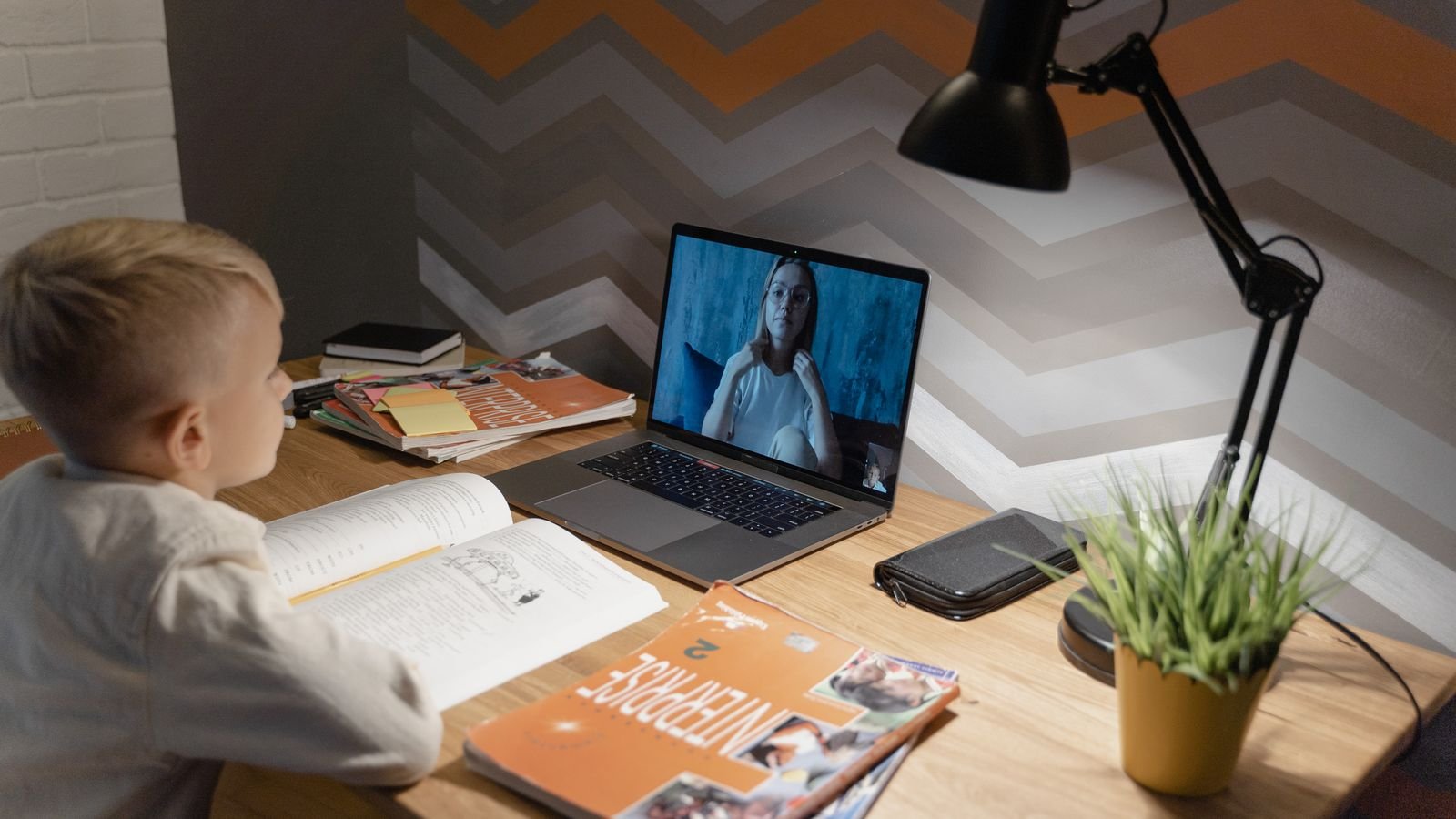
Chess gets chosen because it trains the exact behaviours that cost children marks in exams. Every move requires a child to pause, consider what the other side will do, check for the obvious mistake, and commit to a decision they cannot take back. That is the same sequence a child needs when reading a maths word problem carefully instead of grabbing the first number they see.
It also has an unusual property for a Singapore household: losing is normal and survivable. A child who plays chess loses hundreds of games. Done with a good teacher, each loss becomes a five minute review of one decision rather than a verdict on their ability. Over a year that produces a noticeably calmer response to being wrong, which is worth a great deal in a school system with regular assessment.
The practical reasons matter too. It needs no travel if taught online, it works from around age five upwards, siblings can play it together, and it costs nothing to practise between lessons. For many families the deciding factor is simply that the child asks to play it again on their own, which is not something anyone says about a worksheet.
Use the gap test. If your child cannot do something the syllabus requires and their teacher has flagged it, that is a gap, and targeted tuition is the right tool. If your child can do the work but is careless, slow to start, anxious, or simply not interested, that is a capacity problem, and more of the same subject will not touch it.
Look at the mistakes rather than the marks. Marks tell you where a child ranks. Mistakes tell you why. A child losing marks because they never learned long division needs teaching. A child losing marks because they misread the question, skipped the checking, or panicked when the format looked unfamiliar needs practice at thinking under mild pressure, and that is exactly what a strategy subject provides.
Be honest about the week as well. If your child already has five committed afternoons, adding a sixth thing is a decision about sleep, not about learning. Sometimes the best move is to swap one tuition slot for something the child looks forward to, keep the total hours the same, and watch what happens to their energy over a term. Several parents we work with describe that swap as the moment things improved, which is not what they expected.
Practical things you can try this week
Audit one week honestly. Write down every committed hour outside school, including travel and homework. Most parents are surprised by the total, and the decision usually becomes obvious once it is on paper.
Read the last test, not the last grade. Sort the lost marks into two piles: things not known, and things known but done carelessly. The bigger pile tells you what to buy.
Ask the school teacher one question. “Where does my child lose marks and why?” is far more useful than asking how they are doing. Teachers usually give a precise answer to a precise question.
Trial before you swap. Do not cancel a tuition slot first. Take a free trial class in the new subject, see the child’s reaction, then decide.
Protect one unscheduled afternoon. Genuinely empty, no enrichment, no worksheets. Boredom is where children practise deciding what to do, which no class teaches.
Play one game together each week. Chess, cards, Sudoku, anything with decisions in it. Fifteen minutes of a parent thinking aloud teaches more than most people assume.
Review at the end of the term, not the week. Give any new activity a full term before judging it. Almost nothing worth doing shows results in three sessions.
Two families, one Saturday. Tap to see how each one usually plays out.
Both children are Primary 4, both score in the middle of the class, and both lose most of their marks to careless errors rather than gaps in knowledge. Each family has one free Saturday hour.
Tap a question to reveal the answer
Run a one term experiment rather than making a permanent decision. Pick one thing, keep the total weekly hours the same by swapping rather than adding, and agree with your child that you will both review it honestly at the end of the term. That framing removes the guilt from stopping and the pressure from starting.
Start with a free trial class so the cost of being wrong is zero. Watch whether your child asks about it afterwards, whether they practise without being told, and whether anything shifts in how they approach difficulty at home. Those three signals will tell you more within a month than any brochure will. If the answer is no, you have lost nothing and learned something specific about your child.
More for curious parents
MasterMindz offers live 1 on 1 online classes for children and has taught 750+ students across 11+ countries, with a large community of families in Singapore. Subjects include chess, maths, coding, Rubik’s cube, music and languages, taught live by experienced tutors with flexible timings across time zones. The first class is free, with no commitment afterwards.